
Key facts
- Global e-waste is projected to rise from 62 million metric tonnes in 2022 to 82 million by 2030 according to industry research.
- Only 22.3% of global e-waste was properly recycled in 2022, highlighting the need for transparent ITAD practices.
- The average US data breach costs $10.22 million, as per the 2025 IBM Cost of a Data Breach Report.
- R2v3 and NAID AAA certifications are now expected standards for ITAD websites to ensure customer trust in the industry.
- Workflow automation in ITAD improves asset recovery by streamlining processes and reducing errors as shown by leading ITAD companies.
- Recovering 20–40% of an asset’s residual value can yield millions in reclaimed budget for ITAD businesses.
- AI-driven ITAD platforms compress hardware refresh cycles to 18–24 months, increasing decommissioned asset volumes according to industry insights.
WANT RESULTS LIKE THIS?
Imagine a system doing all of this for your local business — every day, without you.
We build local businesses a custom website with a team of AI behind it: every lead captured and followed up, new content published monthly,customers finding you on Google — live in 7 days.
- 85+ pages at launch
- Every lead followed up, automatically
- Your whole business on one screen
Why Customers Demand Transparency in Your ITAD Process
Why Customers Demand Transparency in Your ITAD Process
In today's ITAD landscape, transparency isn't just a preference; it's a requirement. Customers increasingly demand proof of responsible IT asset disposition due to escalating e-waste concerns and stringent regulatory pressures. According to industry research, global e-waste is projected to surge from 62 million metric tonnes in 2022 to 82 million metric tonnes by 2030, with a mere 22.3% properly recycled worldwide. This alarming trend, coupled with the average US data breach costing $10.22 million (as per the 2025 IBM Cost of a Data Breach Report), has heightened customer skepticism towards opaque ITAD practices.
Regulatory Pressures and Certification Expectations
The regulatory landscape is becoming increasingly complex, with federal e-waste enforcement, state-level EPR legislation, and updates like NIST 800-88 Rev. 2 (released in September 2025), making certified ITAD a compliance necessity. Customers now expect to see R2v3 and NAID AAA certifications prominently displayed on ITAD websites, as these have become the "standard that auditors expect to see in vendor documentation" (source).
Consequences of Lack of Visibility
A lack of transparency in the ITAD process leads to lost business due to heightened customer skepticism. Without clear documentation of the process from collection to recycling, businesses risk appearing irresponsible or non-compliant, driving potential clients away. For example, the inability to provide certificates of destruction or detail data sanitization methods can immediately raise red flags.
Key Transparency Expectations from Customers:
- Clear Process Visualization: A step-by-step overview of the ITAD journey, from collection to recycling, ideally supported by AI chatbots for real-time updates and compliance questions.
- Prominent Compliance Certifications: Easy access to R2v3, NAID AAA certificates, and audit documentation to reassure customers of adherence to standards like WEEE/EPA.
- Real-Time Tracking and ESG Reporting: Visibility into asset status and quantifiable environmental impact, including Scope 3 emissions and materials recovery rates, to support sustainability claims.
Building Trust Through Transparency
For ITAD businesses, building a trustworthy website means integrating these transparency expectations seamlessly. By showcasing certified processes, leveraging AI for guided transparency, and providing real-time insights, ITAD companies can differentiate themselves in a market where trust is paramount. As highlighted by industry insights, transparent ITAD practices not only mitigate risks but also present opportunities for value recovery, a compelling narrative for environmentally and financially savvy customers.
AI-driven platforms, like those utilized by AI Business Sites for their clients, play a crucial role in facilitating this transparency. For instance, AI chatbots can guide users through the ITAD process, answer specific compliance questions (e.g., about NIST 800-88 Rev. 2 requirements), and offer real-time updates, ensuring no customer feels left in the dark. This approach aligns with the trend of using technology to enhance trust and efficiency in ITAD, as seen in workflow automation examples that streamline processes and reduce errors.
Ultimately, transparency in ITAD is no longer a competitive advantage but a baseline expectation. Businesses that fail to meet these expectations risk not just lost revenue but also irreversible damage to their reputation in an increasingly vigilant market.
How AI-Powered Process Visualization Builds Confidence at Every Step
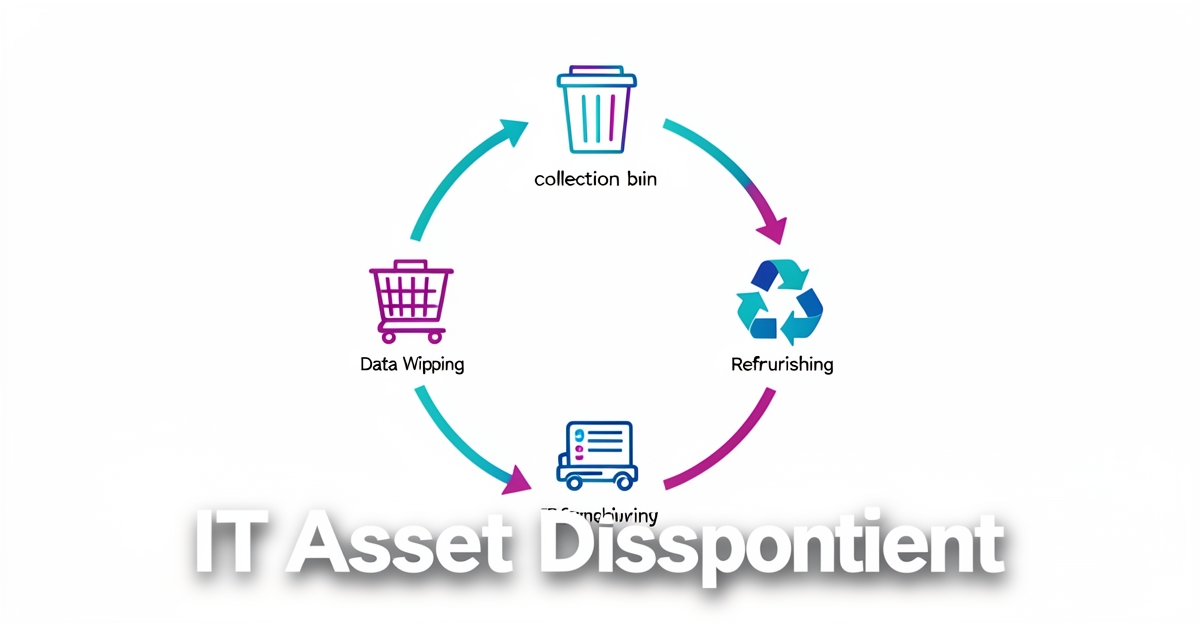
Building trust in ITAD starts with showing the full journey—not just telling it. Customers need to see every step: from secure collection and tracking to data sanitization, recycling, and final reporting. When each phase is visible and verifiable, confidence replaces uncertainty.
AI-powered process visualization makes this transparency effortless. By integrating real-time updates and intelligent chatbots directly into your website, you guide users through the ITAD lifecycle while answering compliance questions on the spot. Research shows that workflow automation improves asset recovery by reducing manual errors and enhancing visibility, directly building trust through consistent, trackable processes. Leading ITAD companies use automation to streamline intake, tracking, and reporting—turning complex operations into clear, auditable steps.
Real-time tracking is no longer optional. With e-waste projected to reach 82 million metric tonnes by 2030 and only 22.3% properly recycled globally, customers demand proof of responsible disposition. Industry research confirms that documented chain of custody and certified data destruction—aligned with NIST 800-88 Rev. 2—are now compliance necessities. Your website should reflect this by displaying live status updates, certification badges, and downloadable reports at every stage.
AI chatbots act as 24/7 process guides, pulling from your knowledge base to explain sanitization methods, confirm recycling pathways, or clarify ESG metrics. They reduce friction by handling routine inquiries—like “Is my data fully destroyed?” or “Where is my equipment now?”—freeing your team to focus on exceptions. This blend of automation and human oversight ensures accuracy without sacrificing responsiveness, especially for sensitive compliance matters.
To structure this effectively, break the journey into clear phases:
- Collection: Show secure drop-off or pickup logs with timestamps and chain-of-custody initiation
- Tracking: Display real-time location and status updates as assets move through facilities
- Data Sanitization: Detail methods used (e.g., NIST 800-88 Rev. 2 compliant wiping, physical destruction) with downloadable certificates
- Recycling/Recovery: Highlight material recovery rates and zero-landfill commitments
- Reporting: Provide access to ESG summaries, value recovery reports, and audit-ready documentation
Each step should feel accessible—not buried in PDFs or behind login walls. When customers can trace their assets from pickup to final disposition with AI-assisted clarity, trust becomes inherent. This approach doesn’t just inform—it reassures, turning process transparency into a competitive advantage in an industry where accountability is everything.
Local business: doing this the old way?
One system replaces the whole pile.
All of it — the website, the follow-up, the content, the leads — built and run for you for $1,497 + $497/mo. Month-to-month, and you own everything.
See what your build includesPractical Steps to Implement Transparent ITAD Workflows on Your Website
Practical Steps to Implement Transparent ITAD Workflows on Your Website
As the ITAD industry evolves, transparency is key to building customer trust. A clear, accurate process from drop-off to recycling is crucial, and leveraging AI-powered tools can simplify this endeavor. Here’s how small ITAD businesses can integrate transparent workflows on their website, utilizing the AI Business Sites platform’s capabilities:
According to industry research highlighting the importance of transparency in ITAD processes, customers demand proof of responsible disposition. This includes documented chain of custody, certifications (R2v3, NAID AAA), and ESG reporting.
Structure your website to clearly illustrate each step of the ITAD journey, from collection to recycling. Integrate AI chatbots to provide real-time updates and answer compliance questions (e.g., regarding NIST 800-88 Rev. 2 and state privacy laws). For example, AI chatbots can guide users through the process, answer FAQs, and provide instant updates, ensuring no customer feels left in the dark.
A recent study on ITAD trends emphasizes the role of AI in enhancing transparency and trust.
Prominently display R2v3 and NAID AAA certifications on your website. Offer easy access to certificates of destruction and compliance documents for WEEE/EPA standards. This not only builds trust but also meets the growing demand for verified compliance.
Global e-waste statistics show a staggering 62 million metric tonnes in 2022, with only 22.3% properly recycled, highlighting the need for transparent, certified processes.
- Automate Tracking: Utilize the AI Business Sites platform to integrate automated asset tracking, providing real-time visibility from collection to recycling.
- Display ESG Metrics: Quantify environmental impact, carbon footprint reductions, and materials recovery rates (e.g., copper, lithium, neodymium) on your website.
- Human-in-the-Loop Safeguards: Ensure human review for critical compliance documents and customer communications, balancing automation with human judgment.
Demonstrate how your automated workflow enhances the ITAD process. Highlight real-time inventory management, automated reporting, and compliance documentation. AI-powered tools can also manage leads, follow up with customers, and generate content, reducing manual work.
Workflow automation in ITAD is shown to improve asset recovery by streamlining processes and reducing errors.
By following these steps and naturally incorporating AI Business Sites’ capabilities for automation and content generation, small ITAD businesses can build trustworthy websites that showcase their process effectively, enhancing customer confidence in their services.
Frequently Asked Questions
Why is transparency in the ITAD process crucial for customers?
What certifications should an ITAD website prominently display to build trust?
How can AI contribute to transparency in the ITAD process?
What are the consequences of lacking transparency in ITAD processes?
How often should an ITAD website update its ESG reporting?
Can workflow automation improve asset recovery in ITAD?
Turn Your ITAD Process into a Trust-Building Showcase—Starting Today
In an industry where transparency isn’t just preferred but required, your ITAD website must do more than list services—it must prove your process at every step. Customers today demand verifiable compliance, real-time tracking, and clear documentation from collection to recycling, driven by rising e-waste volumes and stricter regulations like NIST 800-88 Rev. 2. Failing to showcase your journey openly risks losing business to competitors who prioritize visibility, especially when only 22.3% of global e-waste is properly recycled. The solution? Build a website that *demonstrates* your commitment to responsible ITAD, not just states it. By integrating AI-powered process visualization, you can guide users through each phase—secure collection, data sanitization, recycling—while answering compliance questions instantly. The result? A website that not only meets customer expectations but turns process transparency into a competitive edge. Start by mapping your ITAD journey into clear, auditable steps, then use AI chatbots to make that journey accessible 24/7. The businesses that win in this space are those who show, not tell—and your website is the perfect place to begin.
FOR local businesss — BUILT AND RUN BY US
Your website. Your content. Your leads. Your data.
$500 starts your build. Seven days later it's live — chat, booking, follow-up, and your Google presence all set up. Then we run it, every month. You do the work you actually get paid for.