
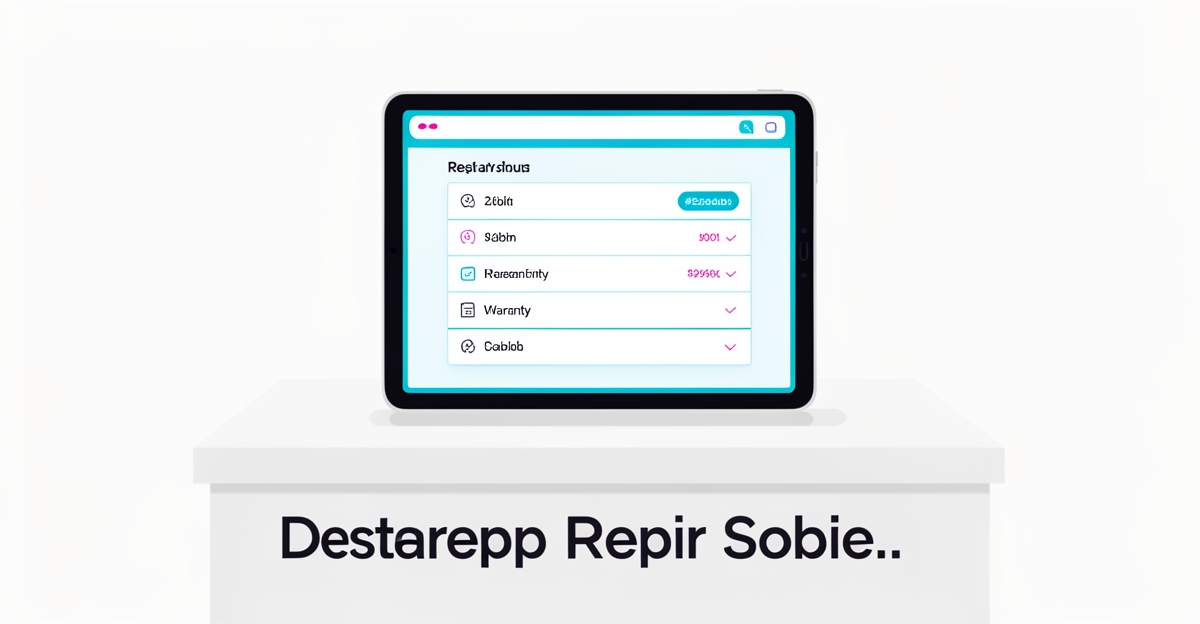
Key facts
- 93% of executives agree that building and maintaining trust improves the bottom line according to a PwC trust survey
- 94% of shoppers stay loyal to companies that operate with transparency per data from Executive Alliance
- 70–80% of decision-makers prefer digital self-service over direct sales interactions according to IMPACT research
- Transparent pricing isn't just a nice-to-have; it's a filter that brings the right people through the door price transparency is a secret weapon
- Hidden pricing creates a trust vacuum that customers fill with worst-case assumptions
- Vague warranty language feels like a loophole, not a promise
- No self-service tools means every question becomes a phone tag game
WANT RESULTS LIKE THIS?
Imagine a system doing all of this for your local business — every day, without you.
We build local businesses a custom website with a team of AI behind it: every lead captured and followed up, new content published monthly,customers finding you on Google — live in 7 days.
- 85+ pages at launch
- Every lead followed up, automatically
- Your whole business on one screen
The Trust Gap: Why Local Customers Hesitate on Repair Services
Most homeowners delay calling a repair service not because they don't need help, but because they can't see what they're walking into. The fear of an open-ended bill or a warranty that disappears when something goes wrong keeps phones silent and problems growing.
Research backs this up: 93% of executives agree that building and maintaining trust improves the bottom line, according to a PwC trust survey. Yet the repair industry still operates largely on "we'll tell you when we get there." That gap between what customers need to know and what businesses show them is where hesitation lives — and where trust erodes before a conversation even starts.
Transparency changes the math. 94% of shoppers stay loyal to companies that operate with transparency, per data from Executive Alliance. When pricing and warranty details are visible upfront — not buried in a PDF or delivered over a voicemail — customers self-qualify. They arrive informed, not anxious. Price transparency isn't just a nice-to-have; it's a filter that brings the right people through the door.
The shift is already happening in how buyers research. 70–80% of decision-makers prefer digital self-service over direct sales interactions, according to IMPACT research. They want to explore options, understand ranges, and assess fit on their own time. A website that answers "what will this cost?" and "what's covered?" before the first call doesn't just save time — it signals competence.
- Hidden pricing creates a trust vacuum that customers fill with worst-case assumptions
- Vague warranty language feels like a loophole, not a promise
- No self-service tools means every question becomes a phone tag game
- Inconsistent follow-up makes customers wonder if they matter after the sale
AI Business Sites builds websites that close this gap by design — surfacing personalized service breakdowns, warranty details, and instant responses so the first conversation starts from confidence, not confusion.
Transparent Solutions: Leveraging Research for Trust Building
In the pursuit of building trust with local customers wary of repair costs and warranties, transparency, personalization, and effective communication stand out as pivotal strategies. Recent research underscores the power of these approaches in reducing customer hesitation and fostering loyalty.
Transparency in pricing is a potent trust-builder, with 93% of executives agreeing that trust directly improves the bottom line (PWC, Trust in Business Survey). Displaying price ranges or tiered pricing models on your website can address cost concerns upfront, a tactic endorsed by itseeze as a "secret weapon" in building trust through price transparency. For instance, a plumbing service could offer tiered pricing for different levels of emergency repairs, clearly outlining what each tier includes.
Self-service tools also play a crucial role, with 70%-80% of decision-makers preferring these over direct sales interactions for research (IMPACT, Self-Service Tools). Incorporating pricing calculators and service assessments empowers customers, reduces friction, and builds trust. A HVAC repair company, for example, might use an online calculator that asks for the type of unit and issue, providing an immediate estimate range.
AI-driven solutions enhance this transparency and personalization. While direct research on repair services is limited, the application of AI in dynamic, personalized pricing and warranty transparency is increasingly recognized (inferred from Symson's Competitive Pricing Tools blog). AI can generate personalized service breakdowns and warranty details, aligning perfectly with the capabilities of platforms like AI Business Sites, which can dynamically display these models and provide instant, personalized responses through its AI assistant.
- Implement Transparent Pricing Models: Use price ranges or tiered pricing on your website to address cost concerns upfront, as seen in successful B2B websites (itseeze).
- Leverage AI for Personalized Estimates and Warranty Details: Utilize AI to provide dynamic, personalized repair cost estimates and clear warranty information, enhancing transparency and trust.
- Integrate Self-Service Tools: Incorporate pricing calculators and service assessments to empower customers and reduce friction, a strategy favored by over 70% of decision-makers (IMPACT).
By embracing these strategies, local repair services can significantly reduce customer hesitation, build lasting trust, and differentiate themselves in a competitive market. As Executive Alliance notes, 94% of shoppers are loyal to companies operating with transparency, highlighting the long-term benefits of these approaches. AI Business Sites, with its integrated AI assistant and dynamic content generation capabilities, is well-positioned to support these transparency and personalization efforts, helping local businesses turn trust into a competitive advantage.
Local business: doing this the old way?
One system replaces the whole pile.
All of it — the website, the follow-up, the content, the leads — built and run for you for $1,497 + $497/mo. Month-to-month, and you own everything.
See what your build includesImplementing Trust-Building Strategies for Local Repair Services
Most customers hesitate before booking a repair because they can't see what they're paying for until the technician arrives. That uncertainty creates friction that costs local businesses leads every day.
Research shows that 94% of shoppers stay loyal to companies that operate with transparency, and 93% of executives agree that trust directly improves the bottom line. For repair services, that means putting pricing and warranty details in front of customers before they pick up the phone. Displaying price ranges or tiered models on your website lets people self-qualify and reduces the "sticker shock" conversation later.
- Publish tiered service packages with clear inclusions and warranty terms
- Add a self-service pricing calculator so visitors get instant, personalized estimates
- Show warranty coverage in plain language — what's covered, for how long, and what voids it
- Use AI-driven dynamic estimates that adjust for job complexity, parts, and labor in real time
70% to 80% of decision-makers prefer digital self-service over talking to a salesperson, which means a pricing tool on your site does double duty: it builds trust and captures leads while you're on a job site. AI Business Sites builds this capability directly into your website — visitors get personalized service breakdowns and warranty details instantly, and every interaction flows into a single system that follows up automatically. The result is a site that answers the cost question before it becomes an objection, so more visitors turn into booked appointments.
Frequently Asked Questions
How can repair service websites build trust with local customers about pricing and warranties?
What are some effective ways to show pricing transparency on a repair service website?
Why do customers hesitate to call repair services even when they need help?
What percentage of decision-makers prefer digital self-service over direct sales interactions?
How can AI help repair service websites build trust with customers?
What are the key benefits of using a pricing calculator on a repair service website?
Turn Cost Anxiety into Customer Loyalty—Starting with Your Website
For local repair services, hesitation isn’t about needing help—it’s about not knowing what they’re walking into. When pricing and warranty details live in the dark, customers fill the gap with worst-case assumptions, and your phone stays quiet. But when you put transparency front and center, hesitation turns into action. Research shows 94% of shoppers stay loyal to transparent companies, and the same clarity that builds trust also filters out the wrong leads. The fix isn’t complicated: publish tiered pricing, add a self-service calculator, and spell out warranty terms in plain language. These aren’t just nice-to-haves—they’re the difference between a site that sits idle and one that starts booking jobs while you’re still on site. Your website isn’t just your digital storefront; it’s your first chance to prove you’re different. By answering the cost question before it’s asked, you’re not just reducing friction—you’re building a reputation for reliability that keeps customers coming back. Start small: pick one service area, post your pricing ranges, and watch how quickly trust turns into trust in *your* business.
FOR local businesss — BUILT AND RUN BY US
Your website. Your content. Your leads. Your data.
$500 starts your build. Seven days later it's live — chat, booking, follow-up, and your Google presence all set up. Then we run it, every month. You do the work you actually get paid for.