
Key facts
- Parents prioritize proximity, specialties, and trusted reviews when choosing pediatric care, yet most websites fail to effectively surface this information
- Seattle Children’s Hospital reduced clinical research time from hours to minutes using AI-powered Pathway Assistant
- 67% of parents seek transparency tools like US News rankings to identify reputable providers
- Pediatric websites often lack standardized quality metrics, with numerous gaps in accountability-program-suitable measures
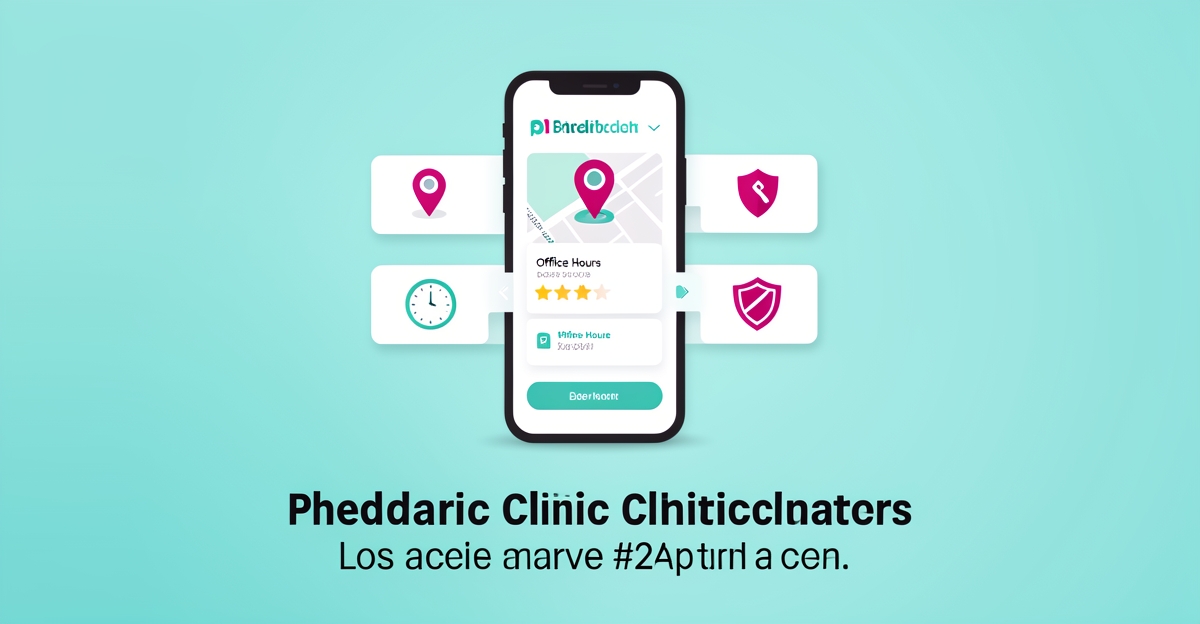
- AI can dynamically generate pediatric location pages with real-time office hours, transportation tips, and language support
WANT RESULTS LIKE THIS?
Imagine a system doing all of this for your local business — every day, without you.
We build local businesses a custom website with a team of AI behind it: every lead captured and followed up, new content published monthly,customers finding you on Google — live in 7 days.
- 85+ pages at launch
- Every lead followed up, automatically
- Your whole business on one screen
Why Most Pediatric Websites Fail to Convert Parents—Even When They’re Looking
Parents don’t just want a pediatrician—they want a trusted partner who understands their needs before they even pick up the phone. Yet most pediatric websites leave them searching for answers elsewhere, focusing on clinical excellence while overlooking the practical details that turn visitors into calls. The result? A disconnect that costs practices leads every day.
Parents prioritize proximity, specialties, and trusted reviews when choosing care, but pediatric websites often bury this critical information or present it in ways that feel generic. While families actively seek transparency tools like US News rankings and price-check startups, most practices fail to surface the limited but meaningful quality data available—such as institutional accreditation or clinician board certifications—in a way that builds immediate trust. Even when parents find a practice’s website, they’re often met with outdated office hours, vague insurance details, or no mention of language support, leaving them to call competitors that make it easier.
The biggest gaps fall into three areas:
- Missing local context: Parents in diverse communities need to know if a location offers multilingual staff, interpreter services, or accessible transportation options. Yet pediatric practices rarely highlight these details in a way that matches how parents search.
- Quality transparency without the data: While parents flock to consumer-facing transparency tools, pediatric websites lack standardized metrics to display. The Children’s Hospitals Association notes “numerous gaps” in pediatric quality measures, leaving practices without clear ways to prove their value.
- Privacy concerns overshadowing AI: Parents are cautiously optimistic about technology but demand clarity on how their child’s data is used. Expert consensus warns that without transparent consent models and pediatric-specific validation, AI tools risk eroding trust—even when intended to help.
For AI Business Sites clients, these gaps present an opportunity to turn a static website into a 24/7 lead generator by building location pages that answer the questions parents ask before they dial. Imagine a page that dynamically lists:
- Office hours with after-hours protocols for urgent care
- Nearest transit options and parking instructions
- Clinician languages spoken and interpreter availability
- Insurance plans accepted, updated in real time
- Specialty-specific services like autism screening or ADHD support
Seattle Children’s Hospital proved AI can synthesize complex information into actionable answers in seconds—transforming static PDFs into interactive guides that clinicians trust. The same technology can power pediatric location pages that feel custom-built for each neighborhood, ensuring parents see their needs reflected in the details.
Without this bridge, practices risk losing families to competitors who make it easier to compare, trust, and call. The fix isn’t just better content—it’s smarter content that runs itself, freeing practices to focus on care while their website handles the busywork.
The 5 Non-Negotiable Elements Every Pediatric Location Page Must Include
The 5 Non-Negotiable Elements Every Pediatric Location Page Must Include
When parents search for pediatric care, they prioritize proximity, specialties, and trusted reviews. However, a pediatric website's effectiveness hinges on more nuanced elements that address the unique needs and concerns of parents. Based on research insights and expert opinions, here are the five non-negotiable elements every pediatric location page must include to drive calls and appointments:
Clearly display office hours, including any variations by location or season, to manage parent expectations. According to Children's Hospitals Association, transparency in operational details is crucial for trust. Also, outline after-hours and urgent care protocols to guide parents during emergencies.
Provide detailed transportation tips (nearest public transit, parking facilities) to facilitate easy access. This attention to detail signals a patient-centric approach, aligning with the Seattle Children's Hospital model of streamlining parent experiences through clear information.
Highlight language support offered by clinicians and the availability of interpreter services. Given the diverse needs of families, explicitly stating these services can significantly enhance a page's appeal, as parents seek comprehensive care that accommodates their linguistic preferences.
List accepted insurance providers and offer a link to a detailed financial policies page. Transparency here mirrors the trend towards cost transparency tools like PriceCheck and Guru, which parents increasingly rely on.
Display clinician credentials (board certifications, specialties) and any relevant quality indicators (e.g., patient satisfaction scores, where available). While gaps in pediatric quality metrics exist, leveraging available data (like participation in quality programs) can build trust.
Why These Elements Matter:
- AI-Driven Insight: Platforms like AI Business Sites can dynamically generate these elements based on local search patterns, ensuring relevance and accuracy.
- Parent Behavior: Omitting these details can lead to skipped pages, as parents will seek sites that efficiently provide all necessary information for their decision-making process.
Example of Effective Presentation:
| Element | Clear Presentation Example |
|---|---|
| Office Hours | Monday - Friday: 8 AM - 5 PM. View location-specific hours. |
| Transportation | Nearest Transit: [Link]. Parking: Available on-site. |
| Language Support | Clinicians speak English, Spanish, and French. Interpreter services available upon request. |
| Insurance | View Accepted Insurers |
| Clinician Credentials | Meet Our Board-Certified Pediatricians |
By incorporating these non-negotiable elements, pediatric location pages can better serve parents' needs, enhance trust, and ultimately drive more calls and appointments.
How AI Can Turn Your Location Pages Into 24/7 Lead Generators
Parents searching for pediatric care at midnight don't need a chatbot that pretends to be a nurse — they need accurate office hours, the right entrance for after-hours visits, and confirmation that someone speaks their language. Research shows parents prioritize proximity, specialties, and trusted reviews when choosing a provider, yet most location pages serve up static information that goes stale the moment a schedule changes or a new clinician joins.
Seattle Children's Hospital — the world's largest pediatric system with 47 satellite hospitals across four states — demonstrated how AI can synthesize complex, location-specific information in seconds rather than hours. Their Pathway Assistant transformed hundreds of thousands of PDF pages into an interactive system clinicians trust. The same principle applies to parent-facing content: an AI content engine can monitor local search trends and automatically update every location page with current hours, transportation details, language support, and specialty availability without manual intervention.
- Real-time syncing of office hours, after-hours protocols, and holiday schedules across all locations
- Dynamic language support listings — which clinicians speak which languages, plus interpreter availability
- Transportation and parking specifics for each site: nearest transit, drop-off zones, accessibility notes
- Insurance acceptance validated against local payer mix, updated as contracts change
- Specialty-specific content triggered by local search demand (e.g., "autism screening available here")
The key is scoping AI to what it does well: finding, organizing, and presenting verified information — not making clinical judgments. As Dr. Darren Migita at Seattle Children's notes, their tool is "not a decision-making tool but rather an information-finding tool" that reduces research time from hours to minutes. Pediatric websites should apply that same guardrail: AI handles the logistics parents actually search for, while clinical questions route to a human.
AI Business Sites builds this into every pediatric website: location pages that update themselves based on real search behavior, internal linking that connects each page to relevant services and conditions automatically, and review monitoring that surfaces parent feedback where it matters most. The result is a digital front door that stays accurate 24/7 — because the parents who need you at 2 a.m. can't wait for a manual update.
Local business: doing this the old way?
One system replaces the whole pile.
All of it — the website, the follow-up, the content, the leads — built and run for you for $1,497 + $497/mo. Month-to-month, and you own everything.
See what your build includesTurn Trust Signals Into Calls: What to Display (and What to Leave Out)
Parents don’t just want a pediatrician—they want proof. One study found that families actively seek transparency tools like US News rankings to identify reputable providers. But pediatric websites often under-deliver, leaving parents scrolling for answers—or worse, walking away without calling. The key isn’t more data; it’s the right data presented clearly and safely.
Start with what parents actually look for: trust signals. A location page should highlight board-certified clinicians, institutional accreditation, and patient satisfaction scores—even if those metrics are limited. Parents care about proximity and specialties most, but they’ll also scan for signs of credibility. Avoid clutter by focusing on three high-impact elements:
- Clinician certifications (e.g., FAAP, board specialties)
- Practice affiliations (children’s hospital networks, academic centers)
- Verified patient reviews (Google, Healthgrades) with clinician-approved responses
Privacy is non-negotiable. A systematic review of 11 US public opinion polls found that families are more likely to share health information if they trust the organization and understand how AI is used. Add a simple footer on every page: “Our chat assistant helps you find office hours—it never accesses medical records.” This small step builds trust before parents even pick up the phone.
What to leave out? Algorithmic claims and unverified medical advice. Pediatric-specific validation is critical, and expert consensus warns against replacing human expertise with AI. Instead, use AI behind the scenes to dynamically tailor content. An AI-powered platform can auto-generate location pages with local hours, language support, and transportation tips based on parent search patterns—without compromising transparency.
For practices, this means less manual work and more conversions. AI Business Sites’ location page engine pulls real-time data (hours, languages, insurance) and updates pages automatically, ensuring accuracy while freeing staff to focus on care. The result? Parents see a polished, trustworthy page—and your team spends less time editing spreadsheets.
The 30-Minute Fix: How to Audit and Update Your Pediatric Website Today
Are you struggling to get more calls from your pediatric website? The solution lies in aligning your site with what parents really look for: proximity, specialties, trusted reviews, and transparency. Here’s a quick, step-by-step audit and update checklist to boost your website’s effectiveness.
- Office Hours & Locations: Ensure all locations display clear, updated hours. According to Children's Hospitals Association, parents prioritize proximity.
-
Transportation Tips: Add parking, transit, and drop-off details for each location to ease logistics.
-
Service Pages: Use AI to dynamically generate or update service pages highlighting your specialties (e.g., autism screening, neonatal care) based on local search demand. For example, Seattle Children's Hospital leverages AI for clinical pathway assistance, demonstrating its potential for content generation.
-
Language Support: List languages spoken by clinicians and availability of interpreters.
-
Quality Signals: Surface available quality metrics (e.g., accreditation, patient satisfaction scores) on location pages, acknowledging any gaps transparently. Parents seek transparency, often referencing tools like US News rankings.
-
Data Protection Statement: Include a clear "How We Protect Your Child’s Data" section, emphasizing HIPAA compliance and consent processes.
-
Review Monitoring: Set up automated review tracking (Google Business Profile, Healthgrades) with AI-assisted response drafting.
- Local SEO Tools: Use tools like Google My Business Insights to check your local SEO health and ensure consistent NAP (Name, Address, Phone) across directories.
- Proximity & Practicality: Update hours, add transportation tips
- Specialty Visibility: AI-generated service pages for key specialties
- Trust & Transparency: Display quality metrics, clarify data protection
- Review & SEO: Automate review tracking, verify local listings consistency
By focusing on these key areas, you can significantly improve your pediatric website’s appeal to parents, driving more calls and appointments. Remember, the goal is to bridge the transparency gap while ensuring human empathy and clinical expertise remain at the forefront.
Time Invested: 30 Minutes | Potential Return: Increased Transparency, Trust, and Calls
Frequently Asked Questions
What do parents really look for when choosing a pediatrician online?
Why do most pediatric websites fail to convert visitors into calls?
How can AI help pediatric websites become 24/7 lead generators?
What are the 5 non-negotiable elements every pediatric location page must include?
Is it safe to use AI on a pediatric website without accessing medical records?
What quality data can pediatric websites display if standardized metrics are limited?
Key Takeaways
{ "title": "Designing Trust: Turning Insights into Action for Pediatric Practices", "content": "As parents navigate the complex landscape of pediatric care, one truth stands clear: trust is the cornerstone of conversion. By addressing the gaps in local context, quality transparency, and privacy conc
FOR local businesss — BUILT AND RUN BY US
Your website. Your content. Your leads. Your data.
$500 starts your build. Seven days later it's live — chat, booking, follow-up, and your Google presence all set up. Then we run it, every month. You do the work you actually get paid for.