
Key facts
- A quick lube shop missing 15% of 20 daily calls loses $255 in same-day revenue at an $85 average ticket according to missed-call revenue calculations
- Unanswered calls cost over $90,000 annually in immediate service sales before repeat visits and referrals per industry research
- 67% of customers who cannot reach a business on the first try will not call back industry reports confirm
- The average quick lube customer generates over $1,500 in revenue over three years through maintenance and referrals studies on customer retention show
- 85% of callers who reach voicemail never call back per industry research
- AI voice agents answer every call on the first ring and book appointments directly into calendars modern AI receptionists enable
- Shop management platforms connect voice interactions to the same pipeline tracking web leads and booked appointments AI automation for auto repair shops demonstrates
WANT RESULTS LIKE THIS?
Imagine a system doing all of this for your local business — every day, without you.
We build local businesses a custom website with a team of AI behind it: every lead captured and followed up, new content published monthly,customers finding you on Google — live in 7 days.
- 85+ pages at launch
- Every lead followed up, automatically
- Your whole business on one screen
The Hidden Revenue Drain of Unanswered Calls
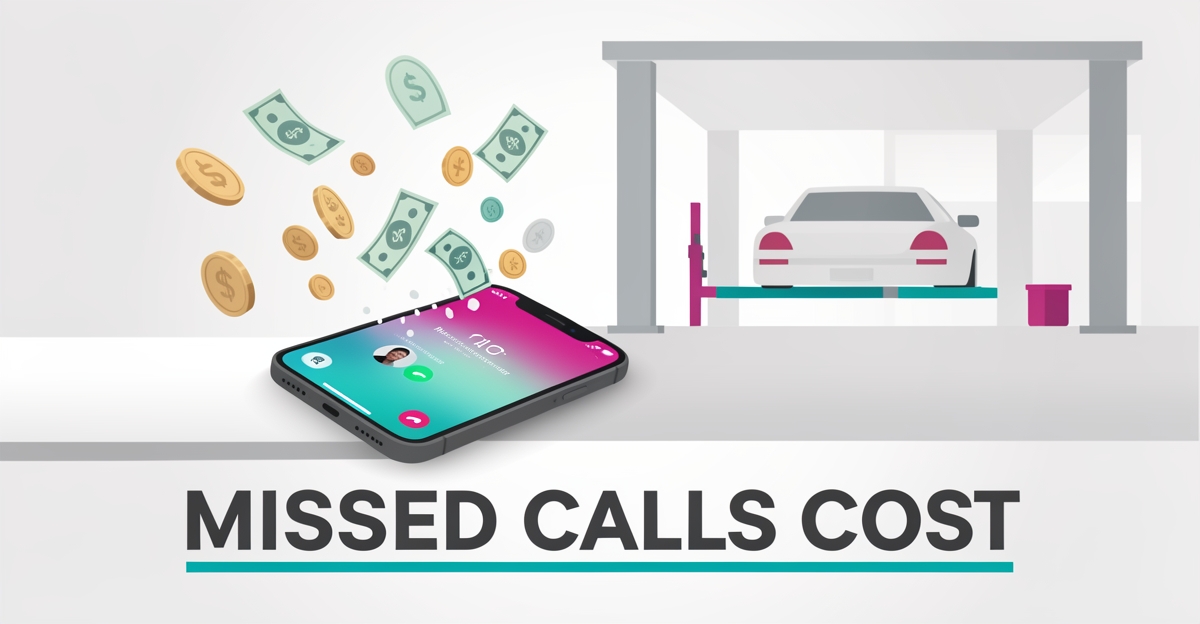
Every time the phone rings during a lunch‑rush oil change and nobody picks up, a paying customer drives to the competitor down the street. Quick lube shops run on thin margins and high throughput — each bay turn represents immediate revenue, and the window to capture it is measured in minutes, not hours. Industry research shows that missed calls during peak hours translate directly into lost ticket revenue, with a single unanswered call potentially costing hundreds of dollars in immediate service sales and thousands in lifetime value.
- Peak‑hour call volume spikes when customers need same‑day service
- Staff are elbow‑deep in engines and physically cannot answer
- No voicemail callback — the caller simply dials the next shop
- Lost lifetime value compounds across every missed interaction
The math is unforgiving: a shop averaging 20 calls a day that misses just 15% during rush periods loses three appointments daily. At an average ticket of $85, that’s $255 in same‑day revenue walking out the door — over $90,000 annually before factoring in repeat visits and referrals. Data on missed‑call revenue impact confirms that businesses consistently underestimate this drain because it never shows up as a line item on a P&L.
Quick lube operators are especially exposed because the service is time‑sensitive and commoditized — customers call with a broken dipstick or a warning light, not a planned project. Research on quick lube customer behavior shows that when a caller reaches voicemail or a busy signal, they rarely wait; they call the next listing. An AI receptionist that answers every call, books the bay, and captures the lead — even while the techs are under a chassis — turns that vulnerability into a competitive edge.
Why Missed Calls Mean Lost Customers — Not Just Lost Sales
A single missed call isn’t just one lost appointment — it’s often the beginning of a broken customer relationship. Research shows that 67% of customers who can’t reach a business on the first try will not call back, choosing instead to take their business elsewhereindustry reports confirm. For quick lube shops, where repeat visits drive profitability, this first-contact failure can mean losing not just a $40 oil change, but years of ongoing service revenue.
The lifetime value of a loyal automotive customer far exceeds the value of a single transaction. Industry data indicates that the average quick lube customer generates over $1,500 in revenue over a three-year period through regular maintenance, seasonal services, and referralsstudies on customer retention in auto care show. When a missed call pushes that customer to a competitor, the shop doesn’t just lose one sale — it loses a predictable revenue stream that could have funded growth, staffing, or marketing investments.
Beyond immediate sales, missed calls erode trust and signal unreliability. In an industry where convenience and dependability are key differentiators, failing to answer the phone during peak hours suggests a shop can’t handle demand — even if the bays are full and the technicians are busy. Customers interpret this as a sign of poor management, making them less likely to return or recommend the shop to othersconsumer behavior studies in automotive services highlight this perception gap as a critical factor in long-term brand damage.
This is where intelligent call handling becomes more than a convenience — it’s a retention tool. An AI-powered voice assistant that answers calls, books appointments, and answers common questions ensures no inquiry goes unanswered, even when staff are under the hood. By capturing every lead and turning it into a scheduled visit, quick lube shops protect not just daily revenue, but the long-term value of each customer relationship.modern call handling solutions now make it possible to maintain responsiveness without adding headphone or hiring additional staff.
For businesses using platforms that unify website, CRM, and communication tools, this level of automation isn’t just about efficiency — it’s about preserving customer trust at the moment it matters most. When a shop never misses a call, it doesn’t just avoid lost sales — it builds the kind of reliability that turns first-time visitors into lifelong customers.
Local business: doing this the old way?
One system replaces the whole pile.
All of it — the website, the follow-up, the content, the leads — built and run for you for $1,497 + $497/mo. Month-to-month, and you own everything.
See what your build includesHow AI Voice Agents Prevent Revenue Leak Without Adding Staff
When the phone rings during a rush, your technicians face an impossible choice: finish the oil change in bay three or answer a potential customer. According to industry research, 85% of callers who reach voicemail never call back, and each missed call can represent hundreds in lost revenue over a customer's lifetime.
An AI voice agent solves this without hiring a receptionist or pulling techs off the floor. It answers every call on the first ring, books appointments directly into your calendar, and handles routine questions about hours, pricing, and services — all while your team stays focused on the work in front of them.
- Answers calls 24/7 with zero hold time
- Books appointments and captures lead details automatically
- Handles FAQs about services, pricing, and wait times
- Routes complex requests to your team with full context
- Syncs every interaction to your CRM for instant follow-up
Modern AI receptionists integrate with your existing scheduling system so appointments appear in real time — no double-bookings, no manual entry. When a caller asks about synthetic oil pricing or brake service availability, the agent pulls current information from your knowledge base and delivers consistent, accurate answers every time.
Shop management platforms now connect voice interactions to the same pipeline that tracks web leads, form fills, and booked appointments. That means every phone conversation becomes a qualified lead with automatic follow-up sequences — confirmation texts, reminder emails, and post-visit review requests — triggered without anyone lifting a finger.
For quick lube operators, this missed call recovery happens during the exact moments you need it most: Saturday morning rushes, lunch-hour spikes, and those chaotic windows when every bay is full and the phone won't stop ringing. Your AI assistant handles the overflow so your revenue doesn't stall.
Frequently Asked Questions
How much revenue can a quick lube shop lose annually due to missed calls during peak hours?
What happens to most callers when they reach voicemail or a busy signal at a quick lube shop?
Can an AI voice agent effectively reduce missed call revenue for quick lube shops?
What is the lifetime value of a typical quick lube customer, and why is it important?
How does missing a call impact the long-term relationship with a potential quick lube customer?
Can integrating an AI receptionist with existing scheduling systems improve efficiency for quick lube shops?
Key Takeaways
{ "title": "From Leaks to Leads: Capturing the Full Potential of Your Quick Lube’s Inbox", "content": "The unaddressed phone call is more than a missed opportunity—it’s a direct line to lost revenue, eroded trust, and a compromised competitive edge. For quick lube shops, where margins are thin and c
FOR local businesss — BUILT AND RUN BY US
Your website. Your content. Your leads. Your data.
$500 starts your build. Seven days later it's live — chat, booking, follow-up, and your Google presence all set up. Then we run it, every month. You do the work you actually get paid for.