
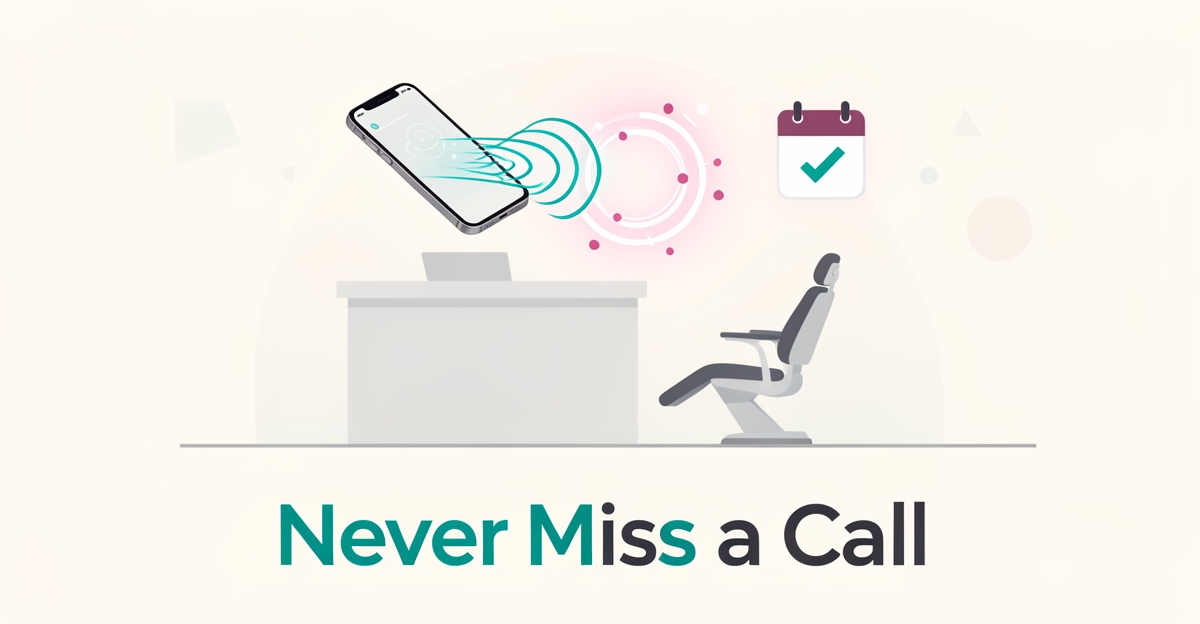
Key facts
- Approximately 40% of incoming calls to dental practices never convert into appointments according to industry research.
- AI-powered solutions can reduce patient no-shows by up to 80% per practice-reported outcomes.
- AI-driven front-office improvements can yield up to 10% higher collections for work already performed reports Dental Economics.
- That 10% collection increase translates to more than 30% additional profit for dental practices according to Dental Economics.
- AI voice agents handle routine calls 24/7 while smart routing transfers complex cases to human staff instantly.
- A human-in-the-loop model preserves compliance and patient trust while unlocking revenue gains from automation emphasizes Dental Economics.
- Unified platforms combining website, CRM, and AI voice prevent data silos and reduce technical overhead for dental teams.
WANT RESULTS LIKE THIS?
Imagine a system doing all of this for your local business — every day, without you.
We build local businesses a custom website with a team of AI behind it: every lead captured and followed up, new content published monthly,customers finding you on Google — live in 7 days.
- 85+ pages at launch
- Every lead followed up, automatically
- Your whole business on one screen
The Hidden Cost of Missed Calls in Dental Practices
The phone rings. Your front desk is with a patient. The caller hangs up. That moment — repeated dozens of times a week — is where dental practices quietly lose revenue. Research shows approximately 40% of incoming calls to dental practices never convert into appointments, according to industry analysis of patient communication trends. Each missed call isn't just a lost booking; it's a patient who may never call back.
Front desk teams juggle check-ins, insurance verification, treatment coordination, and a ringing phone that never stops. The cognitive load drives burnout, and burnout drives turnover. When experienced staff leave, institutional knowledge walks out the door — along with the relationships that keep patients coming back. The Canadian Dental Association notes that streamlining back-office functions is critical to maintaining both efficiency and patient satisfaction, yet many practices still rely on manual workflows that haven't changed in decades.
The financial impact compounds silently. Beyond the immediate lost appointment, practices miss the lifetime value of that patient — referrals, recurring hygiene visits, and treatment plan acceptance. Dental Economics reports that AI-driven front-office improvements can yield up to 10% higher collection for work already performed, translating to more than 30% additional profit. The gap between what a practice earns and what it could earn often starts at the phone.
Common failure points that drain revenue:
- Calls missed during lunch, peak hours, or after hours
- Long hold times that push callers to competitors
- Inconsistent scheduling scripts that fail to convert inquiries
- No follow-up on voicemails or abandoned calls
- Staff too overwhelmed to ask for referrals or reactivate past-due patients
AI Business Sites works with dental practices that have hit this ceiling — where adding more hours or hiring another receptionist doesn't solve the core problem. The website and AI assistant we build handle the repetitive, high-volume interactions so your team can focus on the patients in front of them.
How AI Voice Automation Solves Common Dental Office Call Challenges
Dental offices lose patients before they ever sit in the chair — approximately 40% of incoming calls never convert into appointments, according to industry research on patient communication. That gap isn't just missed revenue; it's a signal that front-desk workflows can't keep pace with demand.
AI voice agents step into that gap by handling the repetitive, high-volume calls that clog phone lines: insurance verification, office hours, new-patient paperwork, and routine scheduling. The Canadian Dental Association notes that AI is already streamlining back-office functions, and phone automation extends that same efficiency to the front desk. When an AI assistant answers instantly — no hold music, no voicemail — patients get answers and booked appointments while your team focuses on in-office care.
- Answers common questions 24/7 using your practice's actual policies and provider details
- Books, confirms, and reschedules appointments directly into your calendar
- Captures caller details and routes complex or sensitive calls to a human team member
- Reduces no-shows by up to 80% through automated reminders and easy rescheduling, per practice-reported outcomes
The key is a human-in-the-loop model — AI handles the routine, staff handles the nuanced. Dental Economics emphasizes that this balance preserves compliance and patient trust while unlocking up to 10% higher collections on work already performed. For practices using AI Business Sites, the voice agent feeds every call into the same CRM that tracks web leads, chat conversations, and email follow-ups — so nothing falls through the cracks, whether the patient calls at 2 p.m. or 2 a.m.
Local business: doing this the old way?
One system replaces the whole pile.
All of it — the website, the follow-up, the content, the leads — built and run for you for $1,497 + $497/mo. Month-to-month, and you own everything.
See what your build includesPreserving the Human Touch: Smart Routing and Human-in-the-Loop Best Practices
Preserving the human touch in dental office communications is essential for building patient trust and ensuring sensitive situations are handled with care. AI voice automation can efficiently manage routine inquiries like appointment scheduling or insurance questions, but complex or emotionally charged calls should be directed to human staff. This approach maintains compliance with healthcare standards while still benefiting from automation’s efficiency. According to research, balancing automation and human oversight is crucial for maintaining quality care in dental operations.
Smart routing systems can be configured to identify keywords, tone, or call complexity that signal the need for human intervention — such as discussions about treatment plans, billing disputes, or anxiety-related concerns. When these triggers are detected, the AI seamlessly transfers the call to a trained team member who can provide personalized support. This human-in-the-loop model ensures that AI handles repetitive tasks without compromising the empathetic care patients expect. Experts recommend this approach for maximum reliability and correctness in AI-driven dental operations.
Implementing this strategy also addresses common pain points: approximately 40% of incoming calls to dental practices never convert into appointments, often due to missed opportunities for meaningful connection. By reserving human staff for high-value interactions, offices can improve conversion rates while reducing burnout from repetitive call handling. AI takes care of the volume, while humans focus on the relationships that drive long-term patient loyalty.
- Routine inquiries like appointment booking or insurance verification
- Calls involving treatment explanations or financial concerns
- Emergency situations requiring immediate clinical judgment
- Patients expressing anxiety or dissatisfaction or communication preferences
- Follow-ups on complex procedures or post-operative care
AI Business Sites supports this balanced approach through intelligent call routing built into its voice automation system, allowing dental offices to automate what makes sense while preserving the human elements that matter most. This ensures technology enhances — rather than replaces — the personal connection at the heart of dental care.
Implementation Steps for Dental Offices Considering AI Phone Automation
Moving from a traditional phone system to AI automation doesn't happen overnight, but a structured transition prevents operational friction. The goal is to reduce the burden on your front-desk staff while capturing more patient opportunities.
Start by mapping your current call workflow to identify where bottlenecks occur. Streamlining back-office functions begins with understanding which routine questions take up the most time.
Once you identify these patterns, pilot AI for high-volume, low-complexity tasks like scheduling inquiries. This is a high-impact starting point because roughly 40% of incoming calls to dental practices currently fail to convert into appointments.
To implement this effectively, follow these practical steps:
- Audit your most common call types to separate routine FAQs from complex clinical needs.
- Deploy an AI voice agent to handle initial intake and appointment booking.
- Set up smart routing to ensure sensitive or urgent calls reach a human immediately.
- Integrate the voice system with your CRM to ensure every call is captured as a lead.
Integrating these tools into a broader digital presence ensures a seamless patient experience. For example, AI Business Sites builds websites where the voice agent and the site's AI assistant share the same knowledge base, so patients get consistent answers whether they call or chat.
Maintaining a human-in-the-loop model is essential for clinical reliability and compliance. While AI handles the routine, your staff should review the outcomes to ensure quality care.
This balance is where the real financial gains happen. Effective AI implementation can lead to up to 10% higher collection for work already performed, which can significantly boost overall profit margins.
Finally, ensure your technology is consolidated. Rather than managing separate subscriptions for your phone system, website, and patient CRM, using a unified business platform prevents data silos and reduces the technical overhead for your team.
Frequently Asked Questions
What percentage of incoming calls to dental offices don’t turn into appointments?
Can AI voice automation really reduce no-shows in a dental office?
How does AI phone automation help increase revenue for dental practices?
Will using AI to answer phones make my dental office feel less personal to patients?
What types of calls should still go to a human staff member instead of AI?
Is it hard to implement AI phone automation in an existing dental office workflow?
Turn Missed Calls into Confirmed Appointments
The numbers don’t lie: nearly 40% of calls to dental offices fail to convert into appointments, costing practices not just immediate bookings but the lifetime value of patients who might never call back. AI voice automation solves this by handling routine inquiries 24/7, booking appointments directly into your calendar, and routing complex or sensitive calls to your team — all while preserving the human touch that builds trust. When implemented with a human-in-the-loop model, this approach reduces no-shows, improves collection rates by up to 10%, and gives your front desk the breathing room to focus on patients in the chair. The result is a more efficient practice, less staff burnout, and more revenue captured from every interaction. If you're ready to stop losing leads to voicemail and hold times, explore how a website with built-in AI voice automation can work for your dental office — starting with a workflow audit and a pilot for high-volume call types. See how AI Business Sites helps dental practices turn phone calls into predictable growth.
FOR local businesss — BUILT AND RUN BY US
Your website. Your content. Your leads. Your data.
$500 starts your build. Seven days later it's live — chat, booking, follow-up, and your Google presence all set up. Then we run it, every month. You do the work you actually get paid for.