
Key facts
- ["Global searches made within 28 days of a stay jumped from 29% to 38% — a 9-percentage-point surge in just over two years", "https://www.mylighthouse.com/resources/blog/hotel-booking-trends"], ["In North America, one-night stay searches more than doubled from 31% to 56%", "https://www.mylighthouse.com/resources/blog/hotel-booking-trends"], ["32% of travelers abandon bookings when their preferred payment method isn't available", "https://www.hotelyearbook.com/article/122000412/top-5-booking-trends-transforming-hospitality-in-2025"], ["51% of travelers use AI for travel research", "https://www.mylighthouse.com/resources/blog/hotel-booking-trends"], ["Hotels that encourage direct bookings through their websites retain more revenue by minimizing platform and listing costs", "https://www.hotelyearbook.com/article/122000412/top-5-booking-trends-transforming-hospitality-in-2025"], ["Return guests expect the same experience year-over-year, highlighting the importance of accuracy and reliability in service listings", "https://www.hosthub.com/blog/spring-travel-trends-2025-whats-hot-with-guests/"]]
WANT RESULTS LIKE THIS?
Imagine a system doing all of this for your local business — every day, without you.
We build local businesses a custom website with a team of AI behind it: every lead captured and followed up, new content published monthly,customers finding you on Google — live in 7 days.
- 85+ pages at launch
- Every lead followed up, automatically
- Your whole business on one screen
The Hidden Cost of Convenience: What Aggregators Take From Your Shop
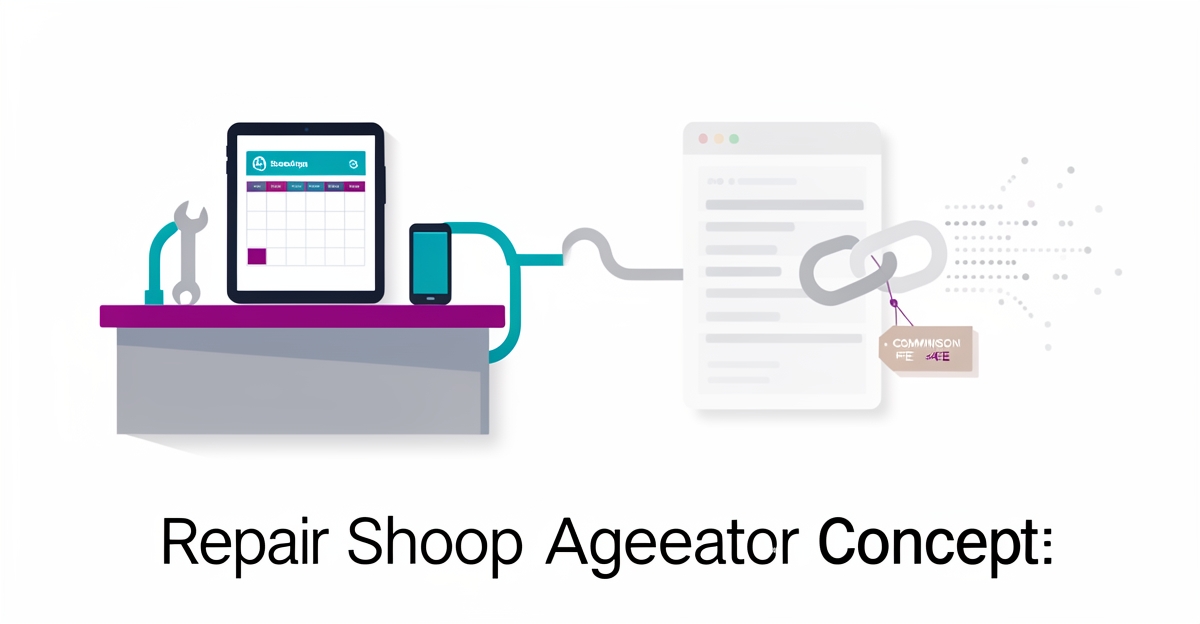
The promise of third-party repair aggregators is simple: they bring customers to your door with minimal effort. But that convenience comes at a steep price, one that erodes your bottom line in ways many shop owners don’t see until it’s too late. When you rely on these platforms, you’re not just paying for leads—you’re surrendering control over the very things that make your business profitable.
The most immediate cost is the commission fee. While exact rates for repair aggregators aren’t publicly documented, hospitality industry data shows third-party booking platforms typically charge significant fees that directly reduce revenue retention. Hotels that shift to direct booking minimize these platform and listing costs, keeping more of each transaction in-house—a principle that applies equally to repair shops avoiding aggregator markups. Beyond fees, these platforms often dictate pricing structures, limiting your ability to adjust rates based on demand, seasonality, or service complexity. This lack of pricing control forces shops into a race to the bottom, competing solely on price rather than value or expertise.
Perhaps more damaging than lost revenue is the surrender of customer data. When bookings happen through a third party, the platform owns the customer relationship—their contact information, service history, and preferences. This blocks your ability to build loyalty through personalized follow-ups, targeted maintenance reminders, or tailored service recommendations. Hospitality research confirms that direct booking channels provide businesses with direct access to valuable customer data, enabling personalized experiences that drive repeat business and word-of-mouth referrals. Without this data, your shop remains transactional, not relational.
Finally, aggregators create dependency. Your visibility and lead flow become tied to their algorithms, policies, and fee changes—over which you have zero influence. A sudden policy update or commission increase can instantly disrupt your schedule and profitability. By contrast, an in-house booking system integrated with your website puts you back in control. You retain full ownership of customer data, set your own prices, and avoid intermediary costs that drain margins. For repair shops aiming to build sustainable, profitable businesses, the hidden cost of convenience on third-party platforms isn’t just financial—it’s strategic.
Why Customers Are Booking Later — And What It Means for Your Schedule
The window between a customer deciding they need service and actually booking it is shrinking fast. Global searches made within 28 days of a stay jumped from 29% to 38% — a 9-percentage-point surge in just over two years — and flight searches within 28 days of departure rose 4 points to 25% of all searches, according to industry booking data. In North America, the shift is even sharper: one-night stay searches more than doubled from 31% to 56%. For repair shops, this isn't a hospitality trend — it's a scheduling reality. Customers are waiting until the last minute to book, and shops without real-time availability are invisible when that decision finally lands.
- Real-time availability that updates the moment a bay opens
- Flexible scheduling that accommodates same-day and next-day appointments
- Multiple payment options — 32% of travelers abandon bookings when their preferred method isn't available
- Instant confirmation that locks in the slot without back-and-forth calls
Third-party aggregators compound the problem. They sit between you and the customer, controlling the calendar, the data, and the margin. When a shop owns its booking system, it captures the full value of that last-minute decision — no commission, no delayed notifications, no generic experience. Research on direct booking shows businesses that control their own channels retain more revenue and build stronger customer relationships through personalized follow-up. AI Business Sites builds websites with integrated scheduling that puts that control back in your hands — so when a customer searches at 6 p.m. for a morning oil change, your calendar answers instantly, and your shop captures the job.
Local business: doing this the old way?
One system replaces the whole pile.
All of it — the website, the follow-up, the content, the leads — built and run for you for $1,497 + $497/mo. Month-to-month, and you own everything.
See what your build includesOwning the Relationship: How Direct Booking Builds Loyalty and Lifetime Value
When a customer books through a third-party aggregator, the relationship belongs to the platform — not to you. Repair shops that own their booking channel keep every interaction, every preference, and every service detail in their own system, turning a single repair into a long-term history they can act on.
Hotels have long understood this dynamic. Direct booking channels provide businesses with direct access to valuable customer data, enabling personalized experiences and stronger customer loyalty — and hotels use that data to create more personalized stays that guests won't forget. The same principle applies to repair shops: when you capture the booking directly, you know which vehicle they drive, which services they've declined before, and when their next maintenance window opens. That context lets you send timely reminders, tailor recommendations, and follow up with offers that actually match their needs.
- Automated service reminders based on mileage or manufacturer schedules
- Personalized follow-ups after major repairs to check satisfaction
- Targeted offers for seasonal maintenance (tires, batteries, HVAC)
- Loyalty recognition for repeat customers without a separate program
The data backs up the shift toward immediacy. Searches made within 28 days of stay increased globally from 29% to 38% between Q1 2023 and Q4 2025, and in North America, one-night stay searches jumped from 31% to 56% over the same period — a 25-percentage-point surge in last-minute booking behavior. Repair customers increasingly expect the same speed and flexibility when their vehicle breaks down. An in-house booking system integrated with your website meets that expectation with real-time availability and instant confirmation, while the data it captures fuels the personalized outreach that keeps them coming back.
AI Business Sites builds custom websites with integrated scheduling that puts this entire loop — booking, data capture, automated follow-up — on your domain, not a third party's. The result is a repair shop that doesn't just fix cars today but builds a customer base it actually owns tomorrow.
What a Modern In-House Booking System Actually Needs to Work
What a Modern In-House Booking System Actually Needs to Work
In an era where last-minute decisions dominate consumer behavior, with searches made within 28 days of stay increasing globally by 9 percentage points from Q1 2023 to Q4 2025, repair shops must adapt to capture spontaneous service demands effectively. A modern in-house booking system is no longer a nicety but a necessity to retain margins, control customer data, and offer personalized experiences. Here’s what makes such a system tick:
1. Real-Time Availability To cater to the spontaneous nature of modern consumers, an in-house booking system must display real-time availability. This is crucial as the trend towards last-minute bookings, especially pronounced in North America with a 25 percentage point increase in one-night stay searches, indicates a need for immediate, accurate scheduling capabilities.
2. Multiple Payment Options 32% of travelers abandon bookings due to payment method limitations. By integrating various payment options into the booking system, repair shops can significantly reduce abandonment rates and enhance the user experience, directly influencing conversion rates.
3. AI-Assisted Scheduling AI-powered scheduling can handle the complexity of last-minute bookings, optimize service schedules in real-time, and ensure that no opportunity is missed. This technology aligns with the broader trend of AI adoption in customer-facing services, where 51% of travelers use AI for research.
4. Consistent Information Across Channels Maintaining consistent booking information across all direct channels (website, social media, etc.) is vital for building trust. Return guests expect the same experience year-over-year, highlighting the importance of accuracy and reliability in service listings.
- Integration with Your Website: Not a rented platform, but a seamless part of your custom-built site, ensuring full ownership and control.
- Dynamic Pricing and Real-Time Updates: Enabled by AI, to respond to demand fluctuations and last-minute bookings efficiently.
- Unified Customer Data Management: Centralized control over customer interactions, preferences, and service history for personalized service offerings.
By embracing these components, repair shops can mirror the success seen in the hospitality sector, where direct booking channels increase revenue retention by minimizing platform fees. For instance, hotels that encourage direct bookings through their websites can retain more revenue and build stronger customer relationships, a strategy that repair shops can emulate.
AI Business Sites understands the importance of a cohesive online presence, offering custom websites integrated with powerful booking and management tools. By leveraging such platforms, repair shops can focus on what matters most—delivering exceptional service—while their website works tirelessly behind the scenes to capture, convert, and retain customers.
According to hospitality trends, a seamless direct booking experience, complete with real-time availability and flexible payment options, is key to driving revenue and customer loyalty, lessons that are readily applicable to the repair shop sector.
By integrating these features into their in-house booking systems, repair shops can reduce their dependence on third-party aggregators, retain more revenue, and build lasting relationships with their customers.
Frequently Asked Questions
How much do third-party repair aggregators actually cost my shop in commissions?
Why does it matter if I own the customer relationship instead of the booking platform?
Are customers really booking repairs at the last minute like they do with hotels?
What happens if a third-party aggregator changes their fees or algorithm?
Do customers actually abandon bookings if their preferred payment method isn't available?
Can an in-house booking system really handle last-minute scheduling better than an aggregator?
Take Back Control of Your Repair Shop’s Future
The evidence is clear: while third-party platforms promise convenience, they quietly drain your margins, limit your pricing power, and keep you from owning the customer relationships that drive long-term profitability. By shifting to an in-house booking system integrated with your website, you regain real-time scheduling flexibility, capture valuable customer data for personalized follow-ups, and avoid costly commissions that erode your bottom line. This isn’t just about keeping more revenue—it’s about building a repair shop that’s resilient, responsive, and ready to meet customers when they need you most. The next step is simple: evaluate how much you’re losing to aggregator fees and missed opportunities, then explore a solution that puts your website to work as your hardest-working employee. See how AI Business Sites helps local service businesses build custom websites that run themselves—so you can focus on fixing cars, not chasing leads.
FOR local businesss — BUILT AND RUN BY US
Your website. Your content. Your leads. Your data.
$500 starts your build. Seven days later it's live — chat, booking, follow-up, and your Google presence all set up. Then we run it, every month. You do the work you actually get paid for.