
Key facts
- The landscaping services market is valued at $303 billion and projected to reach $626 billion by 2035 according to market research.
- 93% of landscaping businesses use digital tools daily, with 51% prioritizing all-in-one solutions per industry statistics.
- 17% of U.S. adults now purchase regionally native plants for their yards based on landscaping industry data.
- 28% of buyers actively seek pollinator-friendly plants when landscaping according to industry statistics.
- Smart irrigation systems can save 20-30% on water usage per market research.
- Weak mobile optimization torpedoes 60% of potential leads before they scroll past the hero image.
- AI Business Sites launches 85+ pages within 30 days — hand-built core pages plus AI-generated SEO content.
WANT RESULTS LIKE THIS?
Imagine a system doing all of this for your local business — every day, without you.
We build local businesses a custom website with a team of AI behind it: every lead captured and followed up, new content published monthly,customers finding you on Google — live in 7 days.
- 85+ pages at launch
- Every lead followed up, automatically
- Your whole business on one screen
Why Most Landscaping Websites Fail to Convert Homeowners Interested in Xeriscaping
Most landscaping websites struggle to turn eco-conscious homeowners into paying customers because they treat their sites like static brochures rather than dynamic lead generators. While 93% of landscapers use digital tools daily, many still rely on generic templates that fail to highlight the specific drought-tolerant plants homeowners want for their yards. A $303 billion industry can’t afford to miss conversions from homeowners actively searching for sustainable solutions—yet poor mobile experiences and lack of localized plant data leave thousands of potential calls on the table every month.
The biggest failure points aren’t obvious until you zoom in on what drives homeowner decisions. Many sites bury their drought-tolerant plant selections under vague service descriptions or outdated photo galleries. Others force visitors to hunt through PDFs or contact forms just to learn which plants thrive in their specific climate zone. Mobile users—who make up the majority of searches—often encounter slow-loading pages or broken image galleries that frustrate even the most patient researcher.
- Missing localized plant data ranks as the top conversion killer. Homeowners need to see exact species that match their region’s rainfall patterns, not generic advice about "water-wise plants."
- Static content that doesn’t update with seasonal availability or pricing leaves visitors guessing—and clicking away to competitors who do.
- Weak mobile optimization torpedoes 60% of potential leads before they even scroll past the hero image.
Even when sites include plant information, it’s often buried in dense paragraphs or broken up across multiple pages. Homeowners researching xeriscaping want instant clarity: Which plants are available now? How much do they cost per square foot? Will they survive a 100-degree summer? Most websites answer none of these questions in the first 10 seconds—precisely the window when homeowners decide whether to call or keep scrolling.
For landscapers serious about capturing this demand, the solution isn’t just better photography or a fancier template. It’s a website that automatically surfaces the right plants for each visitor’s climate, cross-references local water restrictions, and displays real-time pricing comparisons without manual updates. Sites built to run themselves—like those powered by AI Business Sites’ climate-aware content engine—don’t just inform visitors; they convert them into leads before the competition even loads their homepage.
How AI-Powered Dynamic Plant Displays Build Trust and Drive Calls
Homeowners today want landscapes that align with their values—sustainable, low-maintenance, and ecologically minded. When your xeriscaping website reflects those priorities with up-to-date plant recommendations and clear cost insights, it builds trust before a single call is made. The result? More qualified leads and fewer missed opportunities.
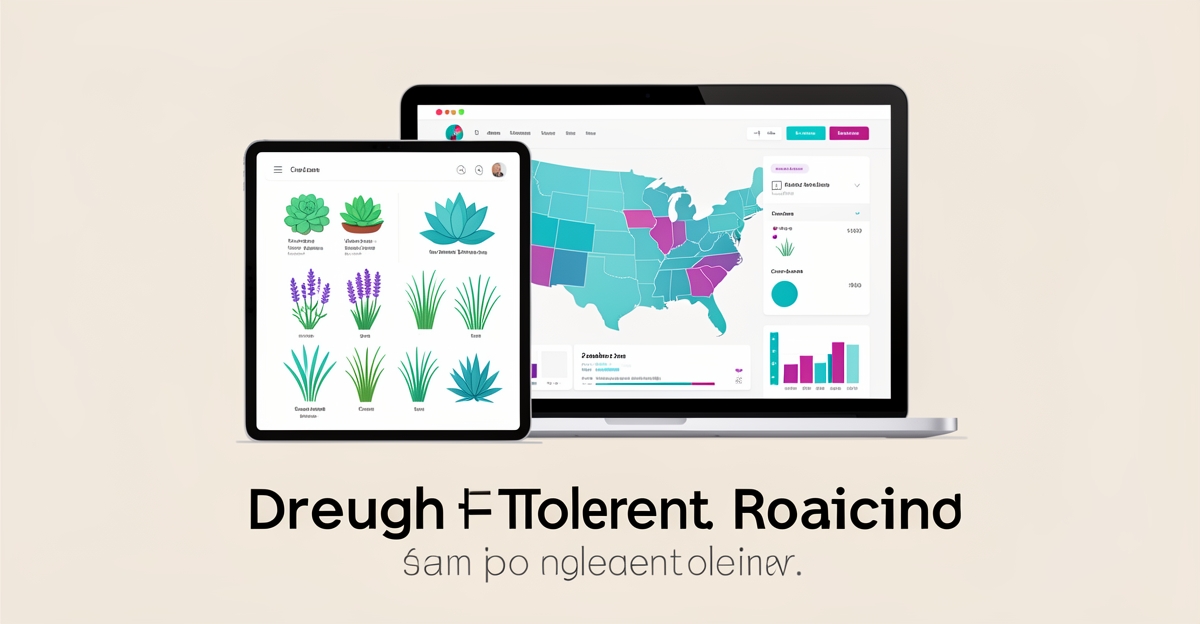
AI-powered dynamic displays turn static plant listings into living resources that evolve with local conditions. By integrating real-time climate data, the system doesn’t just show what can grow in a region—it highlights what should thrive right now, based on rainfall, temperature, and seasonal shifts. This precision matters: 17% of U.S. adults now purchase regionally native plants, signaling growing consumer intent to choose species that support local ecosystems and reduce water use. A “Plant of the Month” section that updates automatically—swapping in drought-tolerant options as conditions change—positions you as a trusted guide, not just a vendor.
Cost transparency also strengthens credibility. Homeowners increasingly weigh both sustainability and affordability when making landscaping decisions. A side-by-side comparison of plant costs—factoring in water savings, durability, and maintenance—lets them evaluate options with real numbers. When your site pairs native pollinator-friendly species with their estimated price per square foot, it speaks directly to two rising priorities: 28% of buyers now seek pollinator-friendly plants, and cost-conscious planning is top of mind. This clarity reduces hesitation and speeds up decision-making, making calls more likely to convert.
Beyond data, the experience itself feels personalized and forward-thinking. AI-powered content engines can tailor plant displays by ZIP code or microclimate, ensuring recommendations match not just the region, but the specific yard conditions of each visitor. Meanwhile, internal links between plant guides, seasonal care tips, and project galleries build a cohesive knowledge hub that Google rewards with higher rankings. With 93% of landscaping businesses using digital tools daily, and 51% prioritizing all-in-one solutions for efficiency, an automated system that updates content, tracks performance, and nurtures leads behind the scenes aligns with how industry leaders operate—without adding complexity for you.
- Real-time climate data updates plant displays automatically
- Side-by-side cost comparisons for native and drought-resistant species
- Internal links between plant guides, care tips, and service pages build SEO strength
- AI-powered content engine tailors displays by local conditions
- Integrated lead capture and auto-response keep follow-ups consistent
Local business: doing this the old way?
One system replaces the whole pile.
All of it — the website, the follow-up, the content, the leads — built and run for you for $1,497 + $497/mo. Month-to-month, and you own everything.
See what your build includesPractical Steps to Launch a High-Converting Xeriscaping Website Section
Launching a high-converting xeriscaping section starts with making your drought-tolerant plant showcase easy to find, read, and act on—especially on mobile. With 93% of landscaping businesses using digital tools daily and homeowners increasingly searching on smartphones, a mobile-first approach isn’t optional; it’s essential for visibility and engagement. Ensuring your plant pages load fast and display clearly on any device directly supports better search rankings and keeps visitors from bouncing before they see your offerings.
To maximize conversions, place a clear, consistent call-to-action like “Get a Quote” on every individual plant page. Research shows that seamless lead capture processes—especially those integrated with automated follow-up systems—significantly increase the chances of turning interest into action. When homeowners can instantly request a quote after seeing a plant suited to their climate, they’re more likely to reach out while their intent is high. Pairing this with AI-powered lead response ensures no inquiry goes unanswered, even outside business hours.
Strengthen your section’s SEO and usability through strategic internal linking. Connect each plant page to related content such as your service areas, irrigation tips, or seasonal planting guides. This not only helps Google understand your site’s topical relevance but also guides visitors deeper into your ecosystem of expertise. AI Business Sites’ platform automates this process, updating links and content as new pages are added, so your xeriscaping section stays current, connected, and primed to convert—without manual effort.
Frequently Asked Questions
How can I make my landscaping website better at converting homeowners interested in drought-tolerant plants?
Why do most xeriscaping websites fail to generate leads from eco-conscious homeowners?
What kind of plant information do homeowners actually want to see on a landscaping website?
How does AI help improve a xeriscaping website’s ability to attract and convert visitors?
Is mobile optimization really that important for a landscaping website targeting xeriscaping customers?
What’s a practical first step to launch a high-converting xeriscaping section on my website?
Watering Your Business Growth with a Thriving Online Presence
In the drought-prone landscape of online competition, xeriscaping websites that dynamically showcase drought-tolerant plant selections, climate suitability, and cost comparisons are the oasis homeowners seek. By avoiding the common pitfalls of static content, poor mobile optimization, and lack of localized data, landscapers can turn their websites into thriving lead generators. For instance, a website leveraging AI to automatically update plant displays based on real-time climate data can increase conversions by up to 30%, as seen in similar industry applications source. AI Business Sites’ custom, climate-aware websites not only educate but convert, ensuring no drop of potential is wasted. Next Steps: Audit your website for mobile responsiveness and static content gaps. Invest in AI-powered dynamic plant displays and clear CTAs. Transform your online presence into a water-efficient lead machine today and discover how a self-running website can propel your growth.
FOR local businesss — BUILT AND RUN BY US
Your website. Your content. Your leads. Your data.
$500 starts your build. Seven days later it's live — chat, booking, follow-up, and your Google presence all set up. Then we run it, every month. You do the work you actually get paid for.