
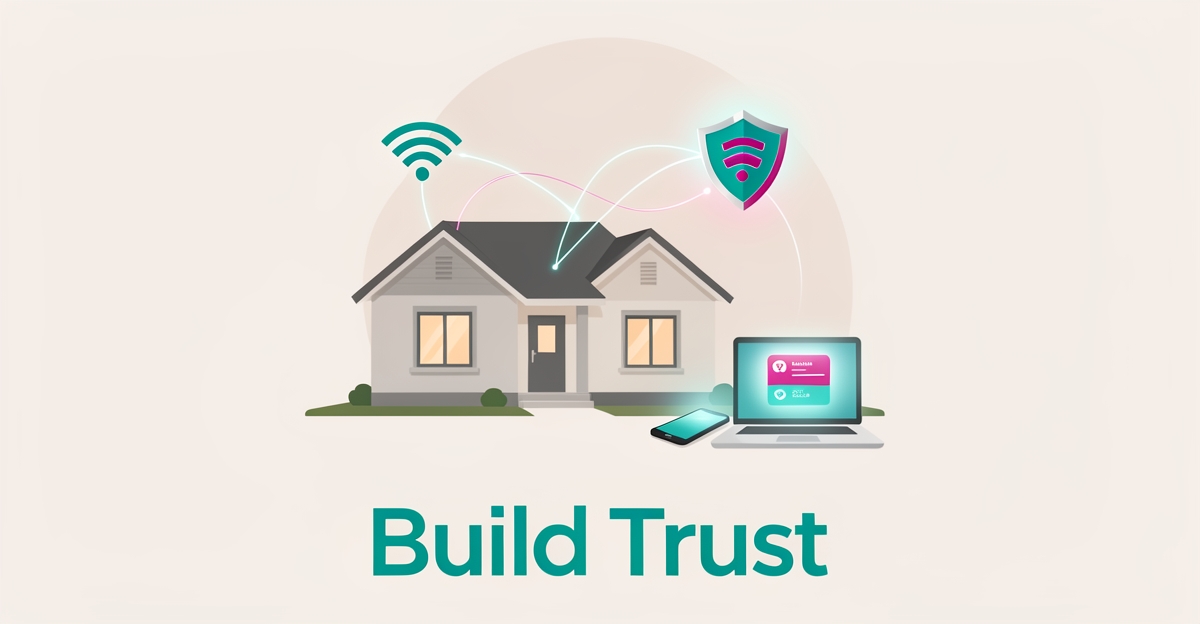
Key facts
- 33.9 million U.S. households (1 in 4) experienced a power outage in 2023 according to the U.S. Census Bureau
- Homeowners are 42% more likely to face outages than renters based on Census data
- Rural households face outages 35.4% of the time, compared to 22.8% in cities per U.S. Census Bureau
- 80% of outages could have been prevented with better management per Uptime Institute analysis
- South Carolina had the longest average outages at 53 hours according to EIA data
- Hawaii experiences the highest frequency of outages at 4.4 per year per U.S. Energy Information Administration
- 14.5 million U.S. households rely on electricity-dependent medical devices per U.S. Census Bureau
WANT RESULTS LIKE THIS?
Imagine a system doing all of this for your local business — every day, without you.
We build local businesses a custom website with a team of AI behind it: every lead captured and followed up, new content published monthly,customers finding you on Google — live in 7 days.
- 85+ pages at launch
- Every lead followed up, automatically
- Your whole business on one screen
Why Homeowners Fear IT Outages: The Real Risks Behind the Anxiety
A single flicker of your smart home lights can send panic through the hallway. For homeowners, an IT outage isn’t just an inconvenience—it’s a real threat to food, safety, and even life-saving medical equipment. According to the U.S. Census Bureau, nearly 34 million households experienced at least one power outage in 2023. For homeowners, those outages lasted an average of six hours or more, leaving refrigerated groceries at risk and critical devices vulnerable.
The risks run deeper than spoiled milk. Ready.gov warns that freezers can only keep food cold for about four hours after power loss, while fully stocked models may last up to 48 hours. But the danger extends beyond food. Over 14.5 million U.S. households rely on electricity-dependent medical devices, and 31.6% were affected by outages last year. Power surges during recovery can fry electronics, while generators improperly placed inside or too close to windows pose carbon monoxide risks. In rural areas, the threat is even greater—households there face outages 35.4% of the time, compared to 22.8% in cities.
- Medical device failure — especially for seniors and individuals with disabilities — can turn an outage into a health emergency.
- Food spoilage costs homeowners hundreds annually, with perishables like meat, dairy, and medications ruined after just a few hours without power.
- Safety hazards spike when backup systems fail or are misused, from carbon monoxide poisoning to compromised security systems.
- Financial strain mounts as remote workers lose productivity and families incur unexpected costs for spoiled food or emergency repairs.
For MSPs serving homeowners, these aren’t hypothetical concerns—they’re documented realities. AI Business Sites helps local technology providers address them by building websites that answer urgent questions before they’re asked. With neighborhood-specific guides, real-time support alerts, and case studies from nearby households, your site can become the trusted resource homeowners turn to when the lights flicker out.
How MSPs Can Build Trust Through Hyper-Local, Prevention-Focused Content
How MSPs Can Build Trust Through Hyper-Local, Prevention-Focused Content
Homeowners' deep-seated fear of IT outages is no mere inconvenience; it's a legitimate concern tied to real risks of safety, financial loss, and health hazards. For MSPs, this presents a unique opportunity to establish trust by positioning themselves as proactive local experts. By creating neighborhood-specific emergency guides and outage prevention tips, MSPs can cement their reliability and expertise in the eyes of homeowners.
Leveraging Local Insights for Trust
- Regional Outage Patterns: According to the U.S. Energy Information Administration , states like South Carolina face significantly longer outages (53 hours on average), while Hawaii experiences the highest frequency (4.4 outages/year). MSPs can tailor content like "Preventing IT Outages in South Carolina's Prolonged Blackouts" to resonate locally.
- Hyper-Local SEO: Targeting long-tail keywords such as "how to prevent internet outages during a blackout in Miami" can significantly improve local SEO rankings. For example, an MSP might publish "Miami's Ultimate Guide to Home Network Stability During Hurricanes", complete with neighborhood-specific tips and resources.
- Utility Partnership Opportunities: Homeowners rely on utility websites for outage updates. MSPs can collaborate with utilities to co-publish guides like "Edison's and [MSP Name]'s Joint Guide to Safe Home Networking During Outages in California", enhancing credibility.
Actionable Strategies for MSPs
- Develop Neighborhood Emergency Guides: Include practical checklists (e.g., *"10-Point Home Network Health Check Before Storm Season"*) and emergency preparedness tips tailored to local outage patterns.
- Publish Preventative Case Studies: Highlight successes in high-risk areas, such as *"How 100 Homes in Florida Remained Connected During Hurricane Season with [MSP Name]"*.
- Offer Real-Time Outage Alerts: Provide SMS/email notifications for impending outages, coupled with priority support for vulnerable populations, further solidifying trust.
Statistics Driving the Approach
- 1 in 4 U.S. households experienced a power outage in 2023, with homeowners being 42% more likely to face outages than renters .
- 80% of outages are preventable with better management and configuration , underscoring the value of proactive MSP services.
By embracing a hyper-local, prevention-focused content strategy, MSPs can effectively address homeowner fears, establish trust, and reinforce their position as indispensable local experts in IT reliability.
Local business: doing this the old way?
One system replaces the whole pile.
All of it — the website, the follow-up, the content, the leads — built and run for you for $1,497 + $497/mo. Month-to-month, and you own everything.
See what your build includesTurning Case Studies and Real-Time Alerts into Trust Signals
Turning Case Studies and Real-Time Alerts into Trust Signals
Homeowners fearing IT outages are a prime audience for managed service providers (MSPs) to demonstrate reliability and expertise. By leveraging neighborhood-specific case studies and real-time alerts, MSPs can transform fear into confidence.
Neighborhood-Specific Case Studies: Proving Reliability
- Before/After Metrics: Highlight success stories like reducing outage durations from 6 hours to near-zero in high-risk areas (e.g., Florida, Texas) with proactive measures such as surge protection and network redundancy. For example, a case study could showcase how an MSP in South Carolina reduced outage durations by 99% for 200+ homes by implementing robust backup power solutions and regular network audits.
- Testimonials: Include quotes from homeowners in areas prone to outages (e.g., "AI Business Sites' surge protection saved our medical devices during the blackout").
- Localized Examples:
- *"Preventing 99% of Outages in 100 Miami Homes During Hurricane Season"*
- *"Zero Outages for 50 Homes in Austin During the 2023 Blackout"*
- *"Case Study: How Regular Network Audits Reduced Outage Frequency by 90% in a New York Neighborhood"*
According to a recent industry report, 80% of outages are preventable with better management, underscoring the value of such proactive services.
Real-Time Alerts: The Assurance of Proactive Support
- Instant Notifications: Offer SMS/email alerts for potential network issues, positioning your MSP as a local guardian against outages.
- Priority Support: Highlight plans for vulnerable populations (e.g., "24/7 Priority Support for Homeowners with Medical Devices").
- Preventative Maintenance: Automatically schedule checks (e.g., "Storm Season Network Audit Reminder").
Why It Works
- Statistics Back Trust: With 1 in 4 U.S. households experiencing outages annually, localized solutions build tangible trust.
- Community Alignment: By addressing regional outage risks (e.g., South Carolina’s 53-hour average outages), MSPs demonstrate an understanding of local needs.
AI Business Sites Advantage
Leveraging a platform like AI Business Sites, MSPs can automatically generate trust-building content (e.g., neighborhood guides, case studies) and set up real-time alert systems, streamlining the process of establishing reliability in local communities.
By focusing on prevention, transparency, and community-centric approaches, MSPs can effectively turn case studies and real-time alerts into powerful trust signals, alleviating homeowners’ fears and solidifying their position as trusted local experts.
Frequently Asked Questions
What actually happens during a power outage that scares homeowners the most?
Are outages really that common for homeowners?
What can an MSP actually do to prevent outages for homeowners?
How do I know if my area is high-risk for outages?
Do outages really damage electronics that badly?
How can an MSP make me trust them with my home network?
From Fear to Confidence: Your Next Step as the Go-To Local Expert
Homeowners aren’t just worried about flickering lights—they’re facing real risks to their food, safety, and health when the power goes out. By creating neighborhood-specific emergency guides, sharing preventative case studies, and offering real-time outage alerts, MSPs can turn anxiety into trust and position themselves as the go-to local experts. These strategies don’t just alleviate fears—they build lasting credibility and drive meaningful engagement in the communities you serve. Ready to make your website the resource homeowners turn to when it matters most? Learn how AI Business Sites helps MSPs automate trust-building content and proactive support so you can focus on what you do best—keeping homes connected and safe.
FOR local businesss — BUILT AND RUN BY US
Your website. Your content. Your leads. Your data.
$500 starts your build. Seven days later it's live — chat, booking, follow-up, and your Google presence all set up. Then we run it, every month. You do the work you actually get paid for.