
Key facts
- Fleet managers spend 11 hours weekly on repetitive repair status calls, costing over $20,000 annually in wasted labor per manager
- 55% of fleets reduced fuel costs after adopting telematics and route optimization according to MICHELIN Connected Fleet
- Medium and heavy-duty EV deployments grew nearly 44% in 2024 per fleet technology trends
- Vehicle accidents cost U.S. employers $60 billion annually reported by FTS GPS
- Centralized fleet management software reduces status-related inquiries by 30% through real-time data access
- Automated client portals cut time spent on status inquiries by up to 65% while improving client satisfaction
- Predictive maintenance powered by AI and big data is becoming standard for reducing downtime per Frotcom fleet trends
WANT RESULTS LIKE THIS?
Imagine a system doing all of this for your local business — every day, without you.
We build local businesses a custom website with a team of AI behind it: every lead captured and followed up, new content published monthly,customers finding you on Google — live in 7 days.
- 85+ pages at launch
- Every lead followed up, automatically
- Your whole business on one screen
The Hidden Cost of Manual Status Updates
Fleet managers spend an average of 11 hours per week fielding repetitive "what's the status?" calls about vehicle repairs, according to industry analysis on operational inefficiencies in maintenance tracking. This constant interruption fragments their focus, pulling attention away from strategic tasks like route optimization and preventive maintenance planning. Each inquiry typically requires 8–12 minutes to locate repair details across spreadsheets, emails, or disconnected systems, creating a cycle of reactive communication that scales with fleet size.
The financial toll compounds quickly when considering labor costs and opportunity loss. At a conservative hourly rate of $35 for fleet management staff, these manual status checks represent over $20,000 in annual wasted labor per manager — funds that could instead support technician training or telematics upgrades. Beyond direct costs, delayed responses erode client trust; research shows fleets using centralized management software report 30% fewer status-related inquiries when real-time data is accessible through integrated platforms. This gap highlights why automated client portals are becoming essential for transparency in modern fleet operations.
- Reduces time spent on repetitive status inquiries by up to 65%
- Cuts administrative labor costs associated with manual tracking
- Improves client satisfaction through proactive, transparent communication
- Frees managers to focus on predictive maintenance and fleet optimization
- Scales efficiently without proportional increases in staff workload
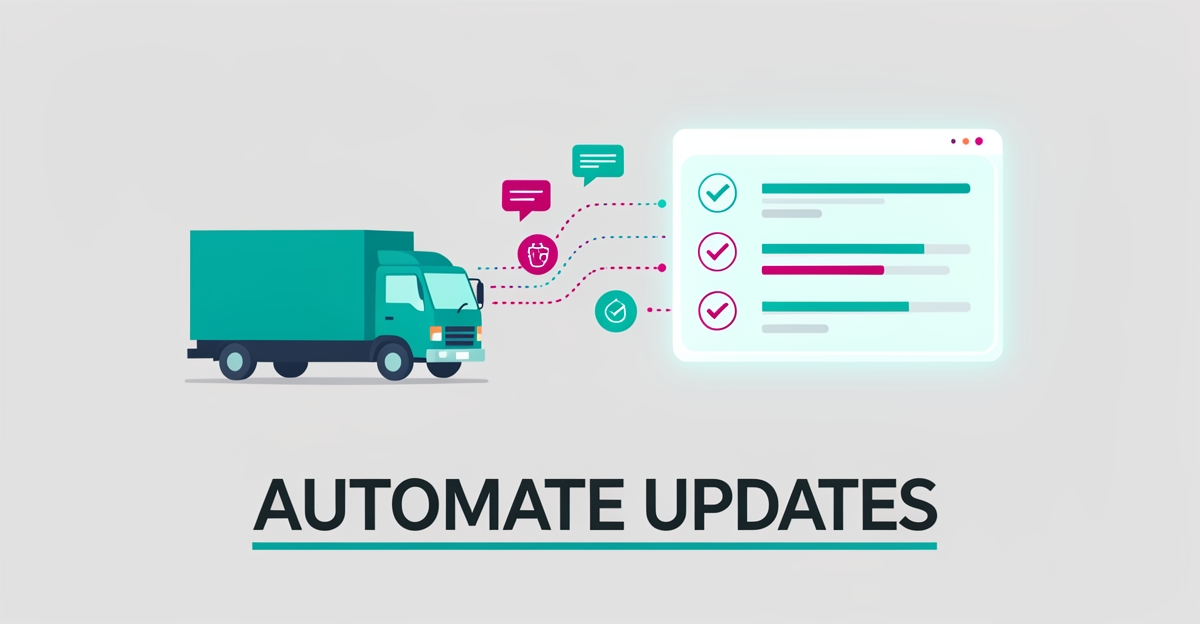
AI Business Sites addresses this challenge by embedding project management and approval portals directly into custom websites, transforming them into self-service hubs where clients view live repair progress without phone calls or emails. When a vehicle enters service, the system automatically updates the client-facing portal with milestones, estimated completion times, and technician notes — all pulled from real-time shop data. This eliminates the need for managers to act as intermediaries, turning passive websites into active operational tools that reduce inquiry volume while building client confidence through visibility. For fleets managing dozens of vehicles simultaneously, this shift from manual updates to automated transparency represents not just time savings, but a fundamental improvement in how service delivery is communicated and trusted.
Why Automated Client Portals Are the Missing Link
Why Automated Client Portals Are the Missing Link
In the fast-paced world of fleet management, where 55% of fleets have already seen reduced fuel costs by leveraging telematics and route optimization source, staying ahead of the curve requires more than just adopting the latest trends. It demands filling the gaps in current solutions. One such gap is the automation of repair status updates for client-facing portals, a feature surprisingly absent in most discussions on fleet management innovation.
The Industry's Shift Towards Comprehensive Solutions
The market is clear in its preference for centralized fleet management software that provides real-time data and automated reporting source, reducing manual tasks and enhancing efficiency. Predictive maintenance, driven by AI and big data, is also on the rise, predicting maintenance needs and reducing downtime source. However, despite this shift towards data-driven solutions, a significant void remains in automating client communication, particularly for repair status updates.
Filling the Gap with Automated Client Portals
Implementing automated repair status updates within client-facing portals can transform fleet management operations. By integrating real-time telematics data into these portals, fleet managers can offer unparalleled transparency, reducing the barrage of 'status check' inquiries. This approach not only aligns with the industry's trend towards comprehensive, data-integrated platforms but also enhances client satisfaction and trust.
Key Benefits of Automated Client Portals for Fleet Managers:
- Enhanced Transparency: Real-time updates keep clients informed without manual intervention.
- Reduced Inquiry Volume: Automated updates decrease the number of status check calls and emails.
- Alignment with Industry Trends: Leverages predictive maintenance and telematics for a futuristic approach.
The Path Forward
Given the $60 Billion annual cost of vehicle accidents to U.S. employers source, the need for proactive, integrated solutions is palpable. Fleet managers should prioritize:
- Adopting comprehensive fleet management software like RTA Fleet360 or Fleetio to lay the groundwork for automation.
- Developing client-facing portals with integrated, automated repair status updates, utilizing real-time telematics data.
- Embracing predictive maintenance with AI to forecast repairs, further reducing downtime and enhancing client satisfaction.
At AI Business Sites, we understand the value of integrated, automated solutions in streamlining operations. By addressing the gap in client communication with automated portals, fleet managers can not only enhance their services but also set a new standard in transparency and efficiency.
Local business: doing this the old way?
One system replaces the whole pile.
All of it — the website, the follow-up, the content, the leads — built and run for you for $1,497 + $497/mo. Month-to-month, and you own everything.
See what your build includesFrom Setup to Self-Service: Implementing Automated Updates
The phone rings again — another driver asking when their truck will be back on the road. Multiply that by a dozen vehicles and the pattern is clear: manual status checks eat hours every week. Industry research shows that centralized fleet management software is expected to be critical for 2024 operations, providing real-time data and automated reporting that eliminates this exact bottleneck (industry research).
A practical implementation starts with a single project board per repair job. When a vehicle enters the shop, the system creates a project card with the VIN, issue description, and assigned technician. Each stage — diagnostics, parts ordered, repair in progress, quality check, ready for pickup — triggers an automatic notification to the fleet manager's dashboard and email. No one needs to chase updates; the workflow pushes them.
- Set up a Kanban board with stages that match your shop's actual repair workflow
- Configure automatic notifications at each stage transition — no manual emails required
- Add a client-facing approval portal link so managers can approve estimates without logging in
- Enable file sharing for photos, invoices, and inspection reports directly on the project card
- Use recurring task templates for preventive maintenance so routine work sets itself up
The payoff is measurable. Fleets adopting telematics and integrated platforms report 55% reduced fuel costs after optimization (connected fleet data), and the same connectivity that drives route efficiency powers repair visibility. When a technician marks "parts received" on their tablet, the fleet manager sees it instantly — same system, same data, no phone tag.
AI Business Sites builds this automation into the website itself, turning the client portal into a self-running status center. The same platform that captures leads and sends newsletters also tracks repair projects, sends approval requests, and notifies stakeholders at every stage. Medium and heavy-duty EV deployments grew nearly 44% in 2024 (fleet technology trends), adding complexity that makes automated tracking essential, not optional. Once the workflow is live, the website handles the follow-up so your team doesn't have to.
Frequently Asked Questions
How much time do fleet managers typically waste on manual repair status updates each week?
What is the estimated annual cost of manual status checks for a single fleet manager?
How much can automated client portals reduce time spent on repetitive status inquiries?
What percentage of fleets have seen reduced fuel costs by using telematics and route optimization?
Do automated repair status portals improve client satisfaction, and if so, how?
Why are automated client portals considered a missing link in fleet management innovation?
Stop Answering the Phone — Start Running the Fleet
Manual repair updates aren't just a nuisance — they're a measurable drain on time, trust, and growth. Every hour spent chasing status details is an hour not spent optimizing routes, planning preventive maintenance, or scaling operations. The data is clear: fleets using centralized platforms with real-time visibility see fewer inquiries, faster approvals, and stronger client confidence. The shift from reactive communication to automated transparency isn't a future goal — it's a practical step available now through tools that already exist in your workflow. AI Business Sites builds this automation directly into your website, turning it into a self-service portal where clients see live repair progress without a single phone call or email. Start by mapping your actual repair stages to a Kanban board, then connect automatic notifications at each transition. Add a client-facing approval link so estimates get signed without logins. The website handles the follow-up so your team doesn't have to. Ready to see what that looks like for your fleet? 55% of fleets already cut fuel costs with connected data — the same connectivity can eliminate your status-check bottleneck today.
FOR local businesss — BUILT AND RUN BY US
Your website. Your content. Your leads. Your data.
$500 starts your build. Seven days later it's live — chat, booking, follow-up, and your Google presence all set up. Then we run it, every month. You do the work you actually get paid for.