
Key facts
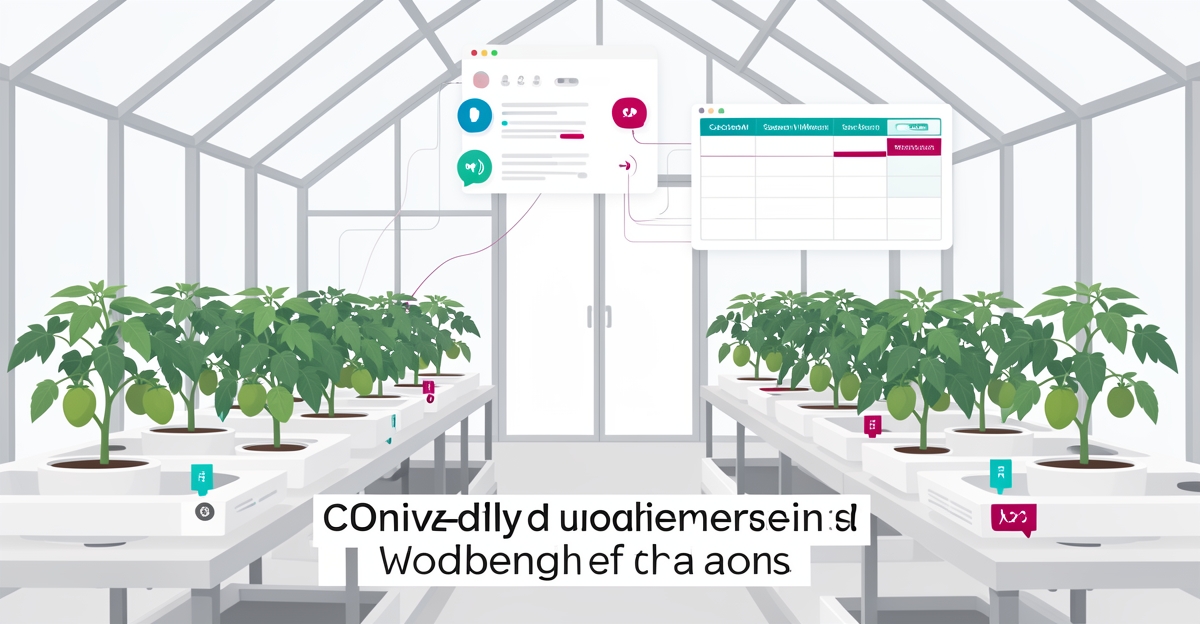
- Greenhouse tomato market is ~$10B annually, projected to reach ~$16B by 2030 according to industry analysis
- CEA market size is ~$103B in 2025 and expected to double by 2030 per Forbes report
- Dutch greenhouse agriculture uses less than 90% of the water required by conventional farming based on research findings
- 6 operators for a 10-hectare greenhouse cost ~$250,000/year in developed economies per labor cost comparison
- Autonomous greenhouse robots operate 22 hours/day, 365 days/year with 2 hours for recharging according to operational data
- A 36MW data center rejects waste heat equivalent to ~40,000 households per energy integration analysis
- A 10-hectare greenhouse uses ~15MW for lighting, pumps, and heating to 43°C based on energy consumption metrics
WANT RESULTS LIKE THIS?
Imagine a system doing all of this for your local business — every day, without you.
We build local businesses a custom website with a team of AI behind it: every lead captured and followed up, new content published monthly,customers finding you on Google — live in 7 days.
- 85+ pages at launch
- Every lead followed up, automatically
- Your whole business on one screen
Why Custom Growing Requests Get Lost in Greenhouse Operations
Greenhouse owners regularly field unique requests for custom growing cycles—whether it’s a restaurant needing heirloom tomatoes by July or a research lab requiring specific light regimens for medicinal herbs. These inquiries arrive through phone calls, emails, or walk-ins, but without a systematic way to capture and track them, they often slip through the cracks. Despite strong demand in the $103B controlled environment agriculture market, this operational blind spot turns promising leads into missed opportunities.
Current AI adoption in greenhouses focuses almost exclusively on production-side automation—like climate control, yield prediction, and autonomous harvesting—while ignoring the customer-facing side of lead management. Systems from companies such as Koidra optimize growing conditions based on predefined targets, but none document tracking the incoming requests for custom cycles themselves. As a result, greenhouse operators rely on memory or scattered notes to follow up, risking delays that miss critical planting windows.
Industry analysis highlights how labor shortages—driven by native workers avoiding harsh 43°C greenhouse conditions—have accelerated automation in harvesting and monitoring. Yet this same pressure hasn’t extended to organizing customer inquiries, leaving a gap in revenue capture. Without a centralized system to log details like crop type, timeline, and special requirements, teams struggle to prioritize or nurture these leads effectively.
- Inquiries arrive via multiple channels but lack a unified tracking mechanism
- Production AI optimizes growth but doesn’t manage customer request lifecycles
- Manual follow-up risks missing seasonal planting windows for custom cycles
- No documented greenhouse AI systems currently track custom growing schedule requests
- Energy integration trends add complexity to custom cycle planning that customers may request
This disconnect means greenhouse owners spend time solving operational challenges with AI while overlooking a simpler, high-impact use case: turning every custom growing inquiry into a tracked, actionable lead. By integrating lead capture into their website—through chat, voice, or forms—greenhouses can organize these requests in a CRM with automated follow-ups tied to seasonal timelines. AI Business Sites enables this by building websites that not only attract visitors but also systematize customer interactions behind the scenes, ensuring no custom request gets lost in the shuffle.
How AI Turns Inquiries into a Seasonal Lead System
Greenhouse owners know the frustration: a buyer calls with a custom growing request for next season’s tomatoes, but by the time you follow up, the planting window has passed. These aren’t one-off inquiries—they’re opportunities to book recurring revenue, but only if you can organize them before they slip through the cracks.
That’s where AI turns scattered requests into a seasonal lead machine. An AI assistant on your website can greet visitors 24/7 through chat or voice, capturing details like crop type, timeline, and special requirements the moment they arrive. Within seconds, those inquiries auto-populate into a CRM pipeline with custom fields for planting dates, pricing tiers, and seasonal notes—no manual data entry required. Every lead gets an instant, personalized reply like, “Thanks for reaching out about your February tomato cycle. We’ll send a feasibility assessment by January 15th, aligned with your region’s optimal window.” The system even logs the conversation so your team sees the full history in one place.
Seasonal growing isn’t just about responding fast—it’s about responding at the right time. Behind the scenes, the CRM organizes leads into stages that mirror your actual growing cycles (Inquiry → Feasibility → Quote → Contract → Planting). Automated triggers nudge you to follow up before a planting deadline passes, turning ad-hoc requests into predictable bookings. For example:
- Labor shortages mean greenhouses are already stretched thin, so missing a single custom cycle request can cost thousands in lost revenue.
- AI-driven climate control ensures optimal conditions for those custom cycles, but without AI tracking inquiries, the data never fuels the production side.
- A digital twin simulation can model outcomes for custom requests—but only if the request is captured and structured in the first place.
The result? No more hoping a buyer remembers to call back in six months. Your website and phone system now act as a self-running lead pipeline, logging every detail, staging deals by season, and nudging you to act before the planting window closes. For greenhouse owners juggling production, energy costs, and labor gaps, it’s the difference between chasing leads and booking them on autopilot.
Local business: doing this the old way?
One system replaces the whole pile.
All of it — the website, the follow-up, the content, the leads — built and run for you for $1,497 + $497/mo. Month-to-month, and you own everything.
See what your build includesSetting Up Automated Follow-Ups That Match Growing Cycles
Greenhouse owners often juggle dozens of unique growing requests, each with its own critical timing window. Without a system to track these inquiries, valuable opportunities slip through the cracks—especially when seasonal deadlines like optimal tomato planting dates approach unnoticed. The AI Business Sites platform solves this by turning every custom inquiry into a tracked lead within a built-in CRM, where automated follow-ups align precisely with growing cycles.
To set up effective automation, begin by defining deal stages that mirror your greenhouse’s seasonal workflow: Inquiry → Quote → Planting → Harvest. This visual pipeline gives you an instant snapshot of where each custom request stands, eliminating guesswork about next steps. Behind the scenes, date-based triggers ensure timely engagement—for example, scheduling a follow-up 45 days before the ideal planting window for region-specific crops like heirloom tomatoes in Nova Scotia. These triggers fire automatically, reducing manual calendar tracking while ensuring no request misses its critical window.
Segmentation further refines this process. Use tags to categorize inquiries by crop type (e.g., cucumbers, peppers), geographic region, or special requirements such as organic certification or data center waste heat integration—a growing trend in European greenhouses that affects energy planning timelines. When a lead enters the system, the AI assistant applies relevant tags based on the inquiry details, enabling targeted nurture campaigns. For instance, a request for winter lettuce production in the Netherlands could trigger a follow-up sequence tied to local planting calendars, informed by research showing Dutch greenhouse agriculture uses less than 90% of the water required by conventional farming.
This approach transforms scattered custom requests into a predictable flow of actionable leads. By grounding automation in seasonal realities—like the fact that CEA tomato production represents a ~$10B annual market growing to ~$16B by 2030—you ensure every inquiry receives attention at the right moment. The system handles the busywork: logging details, applying tags, and sending reminders—so you can focus on growing, not chasing follow-ups. With over 43°C working conditions deterring native labor in many regions, this automation also alleviates pressure on office staff who might otherwise miss inquiries while managing field operations in extreme heat. Ultimately, it turns seasonal complexity into a streamlined process where no custom opportunity is lost to timing.
Frequently Asked Questions
Why do custom growing requests keep slipping through the cracks at my greenhouse?
Can AI actually help me track custom growing requests before planting windows close?
How is this different from the AI climate control systems I already use?
What happens to a custom request after it's captured by the AI?
Do greenhouses really lose money by not tracking these requests systematically?
Can the system handle complex requests like data center waste heat integration or organic certification?
Key Takeaways
{ "title": "Harvesting Opportunity: Turning Custom Requests into Growth", "content": "In the high-stakes world of controlled environment agriculture, where the $103B market demands precision and the $10B tomato sector alone is projected to swell to $16B by 2030, capturing every custom growing cy
FOR local businesss — BUILT AND RUN BY US
Your website. Your content. Your leads. Your data.
$500 starts your build. Seven days later it's live — chat, booking, follow-up, and your Google presence all set up. Then we run it, every month. You do the work you actually get paid for.