
Key facts
- 65% of winery visitors are domestic tourists searching locally according to global wine tourism research
- Online marketplaces capture 45% of all wine tourism bookings per 2025 market analysis
- Direct bookings account for 38% of winery revenue and are the fastest-growing channel per industry survey
- Wine tourism generates 25% of global winery revenue on average, rising to 32% for non-European wineries per global report
- 65% of wineries cite authentic local storytelling as a top competitive innovation per winery survey
- The global wine tourism market is projected to reach $106.74B by 2030 at 12.9% CAGR per market forecast
- Millennials now represent 31% of U.S. wine drinkers, overtaking Baby Boomers per demographic research
WANT RESULTS LIKE THIS?
Imagine a system doing all of this for your local business — every day, without you.
We build local businesses a custom website with a team of AI behind it: every lead captured and followed up, new content published monthly,customers finding you on Google — live in 7 days.
- 85+ pages at launch
- Every lead followed up, automatically
- Your whole business on one screen
The Hidden Local Search Gap in Wine Tourism Websites
Most wine tour websites treat their service area like an afterthought—listing a region name in a footer or burying vineyard details in a generic tour description. Yet industry research shows that 65% of winery visitors are domestic tourists searching for experiences close to home, with another study putting that figure even higher at 68% of visitor volume. These travelers aren’t just browsing; they’re actively looking for specific routes, valleys, and tasting rooms they can drive to on a weekend.
This creates a clear mismatch between what tourists want and what most wine tour sites deliver. While 65% of wineries say authentic local storytelling gives them a competitive edge, few websites reflect that priority with detailed, location-specific content. Instead, visitors searching for “wine tours in Napa Valley” or “scenic vineyard drives near Sonoma” often land on pages that mention the region only in passing—if at all—pushing them toward third-party marketplaces that do a better job of showcasing local appeal.
The gap isn’t just about missing information; it’s about lost visibility in the moments that matter. Online marketplaces currently capture 45% of all wine tourism bookings, a share driven in part by their ability to highlight specific destinations, trails, and amenities in ways that feel immediate and immersive. For wineries aiming to grow direct bookings—which already account for 38% of revenue and are the fastest-growing channel—this represents a significant leak in the funnel. Every generic service page that fails to name a valley, map a trail, or highlight a scenic overlook is a missed chance to rank for the very searches bringing high-intent, local travelers to the door.
How AI-Powered Location Pages Capture Domestic Wine Travelers
Most wine tour websites miss a critical opportunity: they don’t highlight the specific regions, vineyards, or scenic routes travelers are searching for online. This gap leaves valuable local search traffic—especially from domestic tourists—flowing to third-party marketplaces instead of direct bookings. With 65% of winery visitors being domestic tourists who rely on local search, and online marketplaces capturing 45% of all bookings, the disconnect between search intent and website content is costing businesses real revenue.
AI-powered location pages solve this by automatically generating detailed, SEO-optimized pages for every wine region, trail, and vineyard served. These pages target high-intent searches like “wine tours [region]” and “vineyards near [town]” by featuring mapped vineyards, tasting rooms, and scenic routes that mirror what travelers actually seek. Each page is built around the business’s true service areas, not generic templates, ensuring content aligns with how real customers search and plan trips.
AI Business Sites’ content engine creates and links these location pages automatically, building topical clusters that Google rewards with higher rankings. By grounding every page in actual routes, estates, and local experiences—such as food pairings or sustainable vineyards—the site becomes a self-running local authority. Over time, internal links strengthen as new content publishes, boosting visibility without manual effort. This approach captures the 65% of domestic search traffic currently overlooked and positions the business to win direct bookings from travelers ready to explore.
- 65% of winery visitors are domestic tourists, indicating strong local search intent
- Online marketplaces lead booking modes at 45% share
- Direct booking is the fastest-growing channel as wineries invest in owned digital channels
Local business: doing this the old way?
One system replaces the whole pile.
All of it — the website, the follow-up, the content, the leads — built and run for you for $1,497 + $497/mo. Month-to-month, and you own everything.
See what your build includesTurning Your Website into a Self-Running Local Destination Guide
The data is clear: 65–68% of wine tourists are domestic travelers searching locally, yet most tour websites still hide their best assets behind generic "book now" buttons. Industry research shows online marketplaces capture 45% of bookings simply because they display the vineyards, trails, and scenic routes travelers actually want to explore. Your website can do the same—without you manually updating a single page.
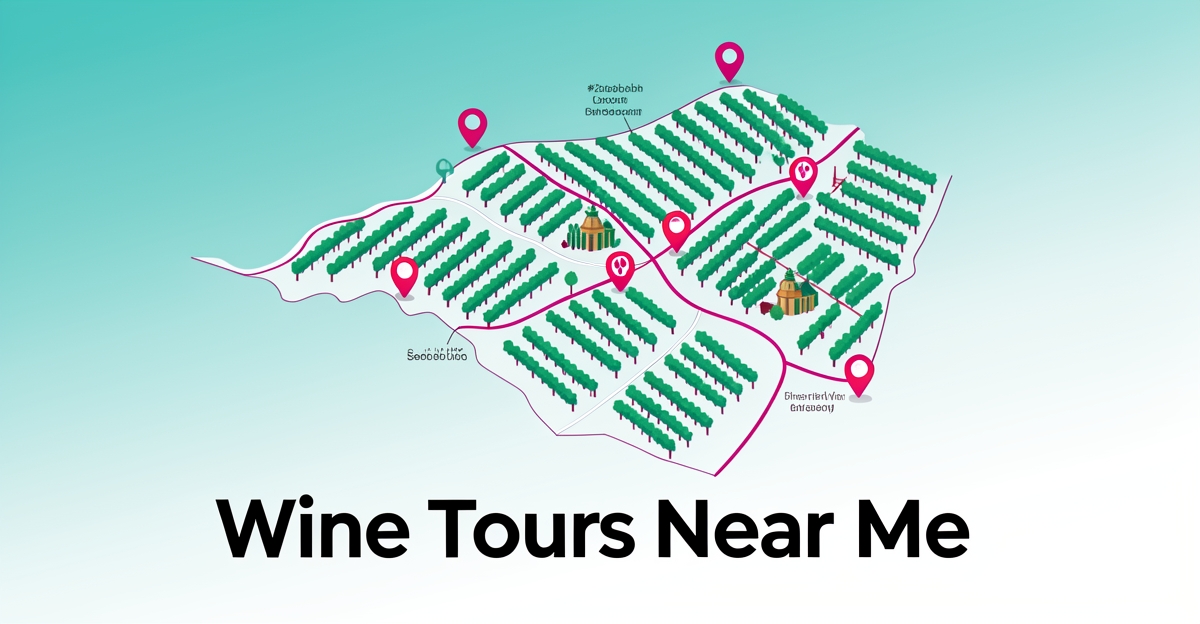
AI Business Sites turns your website into a self-running local destination guide through three automated layers. First, the AI content engine researches and publishes monthly wine trail listicles—"5 Best Harvest Routes in [Valley]," "Weekend Bike & Sip Itinerary: [Region]"—each one automatically linked to relevant location pages to build the topical clusters Google rewards. Second, interactive AI-generated maps embed directly on service area pages, showing every vineyard, tasting room, cycling route, and rail connection with live hours and booking links. Third, your Google Business Profile and Bing listings are optimized at launch with structured data (LocalBusiness, TouristAttraction, TouristTrip) so you appear in "wine tours near me" and regional map packs from day one.
- Monthly wine trail listicles that capture experiential search intent
- Interactive maps with vineyards, scenic routes, and booking CTAs
- GBP + Bing optimization with review monitoring built in
- Automatic internal linking between trails, regions, and service pages
- Structured data markup for every location and tour type
The AI assistant handles the busywork through conversation—ask it to "map all vineyards on the Silverado Trail with tasting hours" or "write a sustainability spotlight for each region we serve"—and it researches, generates media, publishes, and links everything automatically. Direct booking is already the fastest-growing channel in wine tourism, and 38% of winery revenue comes direct. Your website should be the reason travelers book with you, not a marketplace.
Frequently Asked Questions
Why aren't my wine tour pages showing up when people search for specific regions like 'Napa Valley wine tours'?
How much booking traffic am I losing to third-party marketplaces by not having local destination pages?
Can AI really create useful location pages for every wine region and trail we serve?
Will adding location pages actually increase direct bookings, or just traffic?
What's the fastest way to show up in 'wine tours near me' and regional map packs?
Do I need to manually maintain all these location pages and maps over time?
Your Website Should Be the Destination, Not the Detour
The data tells a clear story: 65–68% of wine tourists are domestic travelers searching locally, yet most tour websites still bury their best assets behind generic service pages. That gap is exactly where online marketplaces capture 45% of bookings — by showing the vineyards, trails, and scenic routes travelers actually want to explore. Direct booking is already the fastest-growing channel in wine tourism, accounting for 38% of winery revenue. Your website can do the same work those marketplaces do: map every vineyard, publish seasonal trail guides, and optimize for "wine tours near me" searches — automatically. AI Business Sites builds that capability into every website from day one, with AI-generated location pages, interactive maps, and structured data that keep working without you lifting a finger. The travelers are searching. The question is whether they find you — or a marketplace. Ready to turn your website into the local authority travelers trust? Let's talk about what your service area pages could be doing for you.
FOR local businesss — BUILT AND RUN BY US
Your website. Your content. Your leads. Your data.
$500 starts your build. Seven days later it's live — chat, booking, follow-up, and your Google presence all set up. Then we run it, every month. You do the work you actually get paid for.