
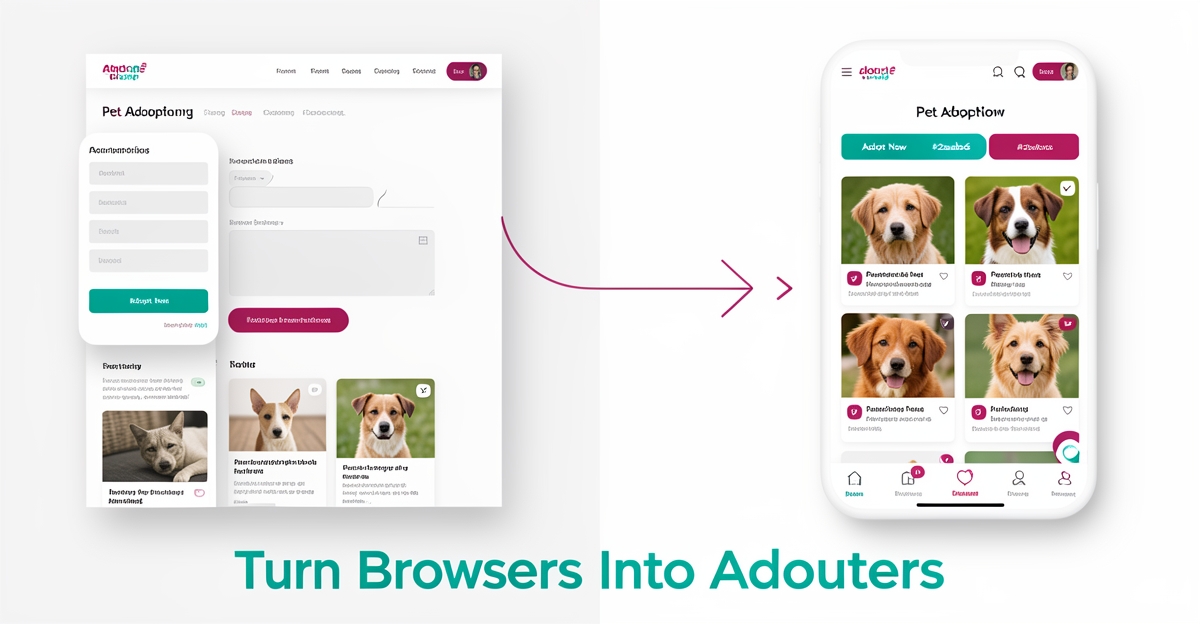
Key facts
- Only 23% of dog owners adopt from shelters despite 6.5+ million animals entering annually according to Forbes
- Rescue Spot's unified application cut adoption time from 7+ hours to under 40 minutes per Forbes reporting
- Mobile optimization alone boosted nonprofit conversions by 44% and form completion by 38% in a TechArk case study
- Dogs over 40 lbs and pit bulls face shelter stays exceeding 30 days reported by NPR
- One Connecticut rescue receives 2–3 online surrender requests daily plus ~20 phone calls per WFSB coverage
- 90% of pandemic-era dog adopters and 85% of cat adopters kept their pets according to The Hill
- A nonprofit website redesign increased online donations by 55% in 90 days documented by TechArk
WANT RESULTS LIKE THIS?
Imagine a system doing all of this for your local business — every day, without you.
We build local businesses a custom website with a team of AI behind it: every lead captured and followed up, new content published monthly,customers finding you on Google — live in 7 days.
- 85+ pages at launch
- Every lead followed up, automatically
- Your whole business on one screen
The Adoption Funnel Is Leaking at Every Step
Pet rescue websites are leaking potential adopters at every stage of the journey, from initial interest to completed application. Despite 6.5+ million animals entering shelters annually, only 23% of dog owners adopt from shelters, highlighting a critical gap in digital conversion. The core issue isn't lack of compassion — it's friction in the online experience that turns willing visitors away before they can connect with an animal in need.
One major leak point is the fragmented application process. Many rescues require separate, lengthy forms for each animal, forcing adopters to repeat the same information multiple times. This redundancy creates abandonment, especially on mobile where typing is cumbersome. Research shows that unified systems like Rescue Spot’s "Common App for pets" slashed adoption time from over 7 hours to under 40 minutes by eliminating repetitive steps and enabling single submissions to multiple rescues. When applicants face duplicated effort, they disengage — and animals wait longer in overcrowded shelters.
Mobile experience is another critical failure point. With most shelter website traffic coming from smartphones, non-responsive designs break the adoption flow. Tiny buttons, unreadable text, and forms that don’t adapt to touchscreens frustrate users and increase drop-off. A nonprofit website redesign case study found that mobile optimization alone boosted donation conversions by 44% and page completion by 38%, proving that frictionless mobile experiences directly impact action-taking. For rescues, this means lost adoption leads simply because the site doesn’t work well on the devices people actually use.
Finally, pet profiles often lack the depth and personalization needed to build emotional connection. Listings with minimal photos, generic descriptions, or missing behavioral details fail to help adopters envision life with the animal. UX research confirms users seek transparency, detailed information, and storytelling — especially for hard-to-place animals like larger dogs or pit bulls, who face stays over 30 days. Profiles featuring first-person narratives, videos, and clear "good with" indicators significantly improve engagement by helping visitors see the pet as an individual, not just a listing.
AI Business Sites helps rescues patch these leaks by building websites that unify applications, prioritize mobile usability, and enrich pet profiles with dynamic, personalized content — turning passive browsing into active adoption interest.
Streamline the Journey with a Unified Application System
Most rescue websites still make adopters jump from site to site, each with its own clunky application form and inconsistent experience. With animals spending over 30 days in shelters—especially large dogs and seniors—every abandoned application means another week of overcrowding, staff burnout, and potentially preventable euthanasia. Rescue Spot cut adoption time from over seven hours to under 40 minutes by replacing 12 separate forms with a single, mobile-friendly "Common App for Pets." The result wasn’t just faster adoptions: it captured more leads by meeting adopters where they already spend time—on mobile devices.
Mobile-first design is no longer optional for rescue sites. Nonprofit websites that optimized for mobile saw a 44% increase in mobile conversion and a 38% rise in form completion rates. Today, over half of all web traffic comes from phones, yet many rescue profiles and adoption forms still force users to pinch and scroll. A unified application system must be fully responsive, with sticky “Apply Now” buttons that stay visible as visitors scroll through pet profiles.
- Eliminate duplicate forms: One application that works across multiple animals and rescues, with auto-save so half-finished submissions aren’t lost.
- Reduce field count to the essentials only—no redundant questions or rescue-specific extras that slow momentum.
- Add clear progress indicators so adopters know exactly how far they’ve come and what’s left.
- Include instant feedback: confirmation emails, estimated review timelines, and next-step checklists delivered automatically.
Personalization also matters. Research shows adopters engage deeper when profiles feel like they’re meeting the pet directly. First-person narratives (“I love hikes but get nervous around loud trucks”), video introductions, and transparent tags like “Good with cats” or “Low-energy home preferred” lift engagement by up to 29% in early-stage testing. Hard-to-place animals—large breeds, seniors, and pit bulls—need these rich profiles most, since they linger the longest in shelters.
Behind the scenes, AI-driven chat and automated follow-ups handle the busywork so staff aren’t stretched thin. With shelters receiving 2–3 online surrender requests daily and call volumes around 20 per day, a voice or chat AI assistant can answer common questions instantly and send personalized emails that nurture leads who stall mid-application. When Rescue Spot paired its unified app with automated emails and follow-ups, adoption times plummeted because adopters no longer waited days for a human reply.
The shift isn’t just about speed—it’s about aligning with modern adopter behavior. Shelters are taking pets to bookstores and coffee shops because adopters aren’t visiting shelters as frequently as pre-pandemic. Digital adoption pathways must mirror that omnichannel approach: embedded event calendars, virtual meet-and-greets, and location-based adoption options. A unified application system becomes the bridge between digital discovery and real-world connection, ensuring that every click leads somewhere instead of nowhere.
Local business: doing this the old way?
One system replaces the whole pile.
All of it — the website, the follow-up, the content, the leads — built and run for you for $1,497 + $497/mo. Month-to-month, and you own everything.
See what your build includesConvert Interest with AI-Powered Engagement and Rich Pet Storytelling
Visitors to pet rescue sites often browse with genuine intent but leave without taking action — not because they don’t care, but because the experience fails to meet them where they are. Research shows that while 6.5+ million animals enter shelters annually, only 23% of dog owners adopt from shelters, highlighting a significant gap between interest and action. This gap widens when websites lack responsive engagement and emotional storytelling, two factors proven to drive conversions in nonprofit digital experiences.
AI-powered chat assistants bridge the responsiveness gap by providing instant answers to common questions about adoption processes, fees, or specific pets — critical when staffing shortages delay human replies. Unlike static FAQs, these assistants learn from the rescue’s own knowledge base to deliver personalized, accurate responses 24/7, capturing lead information and triggering automated follow-ups that keep prospects engaged. For hard-to-place animals — such as dogs over 40 lbs, older dogs, or pit bulls, which face the longest shelter stays — detailed, first-person pet profiles build the trust and connection needed to overcome hesitation. Profiles featuring video narratives, transparent medical and behavioral details, and clear “good with” indicators align with UX findings that personalization and storytelling significantly improve engagement, especially for pets that struggle to stand out in traditional listings.
Together, AI-driven engagement and rich pet storytelling transform passive browsing into active interest by addressing the core UX needs of transparency, immediacy, and emotional resonance — turning curiosity into commitment, one conversation and one story at a time. This approach mirrors the principles behind successful nonprofit redesigns that boosted conversions by 55% through friction reduction and mobile optimization, proving that thoughtful digital design doesn’t just inform — it inspires action. AI Business Sites integrates these capabilities directly into custom rescue websites, ensuring every visitor interaction supports the mission of getting more animals into loving homes.
Frequently Asked Questions
Why do people start the pet adoption process online but then abandon their application?
How important is mobile optimization for pet rescue websites trying to increase adoptions?
What makes a pet profile effective at helping adopters connect with an animal?
Can AI really help pet rescues convert more website visitors into adoption leads?
Is it true that only a small percentage of dog owners adopt from shelters, and why does that gap exist?
What specific features should a unified pet adoption application include to reduce drop-off?
Turn Clicks Into Cuddles: Your Rescue Site’s Last Chance to Save Lives
Every abandoned application on your pet rescue website represents an animal spending another week in an overcrowded shelter — and another opportunity slipping through your fingers. Research shows that while 6.5+ million pets enter shelters annually, only 23% of dog owners adopt from shelters, a gap largely driven by friction in the digital experience. From lengthy, redundant application forms to confusing mobile layouts and generic pet profiles, most rescue sites unintentionally push willing adopters away before they can connect with a pet in need. The good news? Small, strategic changes can turn your website from a leaky funnel into a high-conversion adoption engine. Start by replacing separate, clunky application forms with a unified, mobile-friendly system that saves adopters time — and keeps leads from walking away. Then, transform pet profiles with videos, first-person stories, and clear “good with” tags to help visitors see the individual behind the photo. Finally, deploy an AI assistant to answer questions instantly and nudge stalled applicants with personalized follow-ups, ensuring no lead gets lost in the chaos of an understaffed shelter. Your website doesn’t just need to look good — it needs to work hard for the animals who rely on you. Start with one change today, and measure how many more adoptions follow. Your future residents are waiting.
FOR local businesss — BUILT AND RUN BY US
Your website. Your content. Your leads. Your data.
$500 starts your build. Seven days later it's live — chat, booking, follow-up, and your Google presence all set up. Then we run it, every month. You do the work you actually get paid for.