
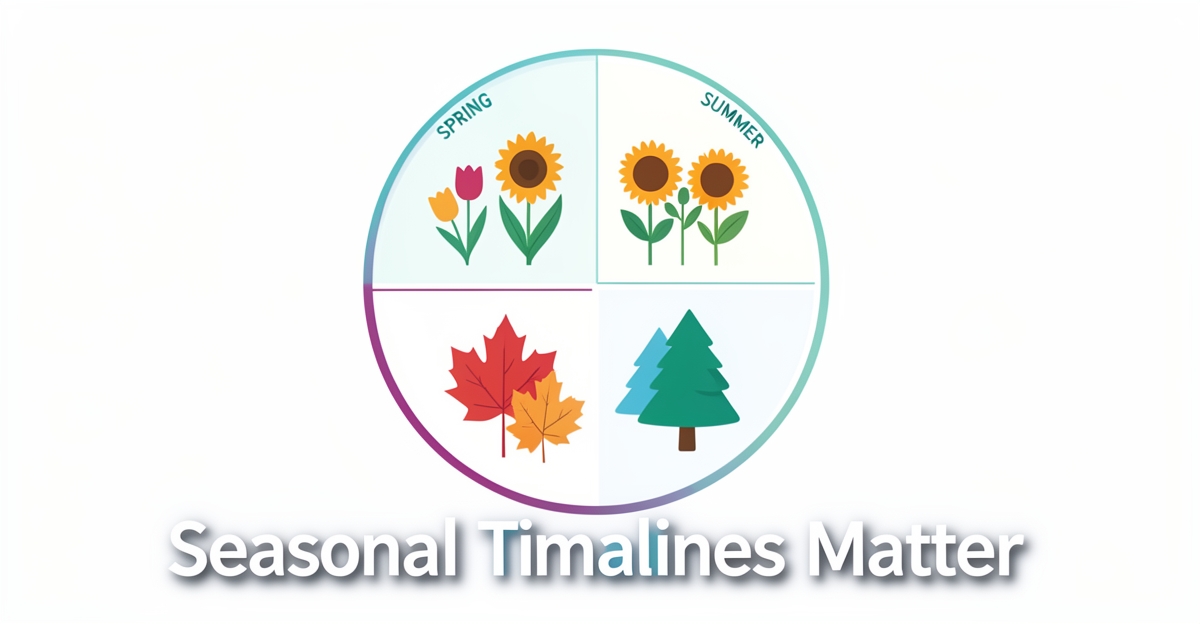
Key facts
- Homeowners' searches for edible plants surged by 254% according to Forbes.
- 84% of newly-built homes are in HOAs requiring seasonal compliance guidance.
- 41% increase in home gardening searches highlight seasonal demand.
- Living fences thrive in temperate climates but fail in desert or frigid regions.
- AI Business Sites reduces no-shows by aligning seasonal expectations through dynamic content.
- Drought-tolerant landscaping trends demand seasonal planting windows especially in water-scarce areas.
- Homeowners conduct extensive pre-project research seeking professional seasonal guidance.
WANT RESULTS LIKE THIS?
Imagine a system doing all of this for your local business — every day, without you.
We build local businesses a custom website with a team of AI behind it: every lead captured and followed up, new content published monthly,customers finding you on Google — live in 7 days.
- 85+ pages at launch
- Every lead followed up, automatically
- Your whole business on one screen
The Seasonal Guidance Gap: What Homeowners Really Want
The Seasonal Guidance Gap: What Homeowners Really Want
As homeowners dive into landscape design projects, they're no longer just seeking inspiration—they're hungry for seasonal feasibility and timing guidance. According to Forbes, searches for edible plants, pollinator gardens, and smart irrigation systems have surged, with edible plant searches alone increasing by 254%. This indicates a clear demand for guidance on when to plant, maintain, and optimize outdoor spaces.
The Knowledge Gap in Landscape Design Websites
Most landscape design websites fail to address this critical need, focusing solely on design aesthetics rather than seasonal project timelines. Homeowners are left to navigate the complexities of climate-specific planting windows, HOA restrictions, and sustainability trends on their own. For instance, living fences, a popular trend, thrive in temperate climates like the Pacific Northwest but are less viable in desert or frigid regions, a detail often overlooked.
What Homeowners Are Really Looking For
- Seasonal Planting Windows: Clear guidance on the best times to plant pollinator gardens, edible landscapes, or drought-tolerant plants specific to their region.
- Climate-Specific Advice: Tailored information on how to navigate regional weather patterns, from droughts in Marin County to harsh winters in the Northeast.
- Maintenance Schedules: Detailed checklists for preparing outdoor spaces for seasonal changes, such as winterizing outdoor kitchens or scheduling fall clean-ups.
The Consequence of Ignoring Seasonal Timelines
Websites that ignore these needs risk lost leads, booking uncertainty, and higher no-show rates due to mismatched expectations. For example, a homeowner booking a living fence installation in spring without knowing it may take months to establish privacy is likely to feel disappointed.
Bridging the Gap with Dynamic Content
AI Business Sites addresses this gap by automatically generating dynamic, seasonally updated service pages. These pages reflect local climate patterns, include seasonal checklists, and provide booking confidence with clear timelines. For example, a service page might highlight, “Best Time to Plant Pollinator Gardens in [City]” or “Prepare Your Outdoor Kitchen for Winter in [Region].”
Meeting Homeowner Needs, Naturally
By integrating seasonal guidance seamlessly into website content, landscape design businesses can:
- Reduce Expectation Gaps: With clear, location-specific timing advice.
- Increase Booking Confidence: By aligning services with seasonal demand (e.g., “Book Your Fall Clean-Up Now—Spots Fill Fast”).
- Position as Trusted Advisors: Offering valuable, proactive seasonal planning resources.
Example in Action
- Seasonal Service Page: “Spring Pollinator Garden Setup in [City] — Book Now for Peak Bloom”
- Seasonal CTA: “Winterize Your Outdoor Kitchen Before the First Frost — Schedule Maintenance Today”
- Blog Post: “When to Plant Edible Gardens in [Region]: A Month-by-Month Guide for Homeowners”
By filling the seasonal guidance gap, landscape design websites can transform from static brochures into dynamic, year-round lead generators that truly meet the evolving needs of homeowners.
How Static Websites Create Booking Uncertainty and Lost Leads
How Static Websites Create Booking Uncertainty and Lost Leads
Homeowners seeking landscape design services increasingly search for guidance on seasonal project timelines, yet most landscape websites fail to provide this critical information. This oversight leads to expectation mismatches, higher no-show rates, and lost trust. For instance, a homeowner inquiring about living fences may not realize these require temperate climates and months to establish, leading to disappointment if not communicated upfront (Forbes, 2024).
The Consequences of Ignoring Seasonal Timelines
- Expectation Gaps: Without clear seasonal guidelines, homeowners book services at the wrong time. For example, booking a pollinator garden setup in fall instead of spring results in wasted investment and missed benefits.
- Higher No-Show Rates: Mismatched expectations about project timelines (e.g., the time needed for living fences to mature) lead to last-minute cancellations.
- Lost Leads: Homeowners seeking seasonal advice will seek out competitors who provide it. 41% of homeowners now engage in extensive pre-project research, emphasizing the need for proactive, informative websites (Forbes, 2024).
Why Generic Service Pages Fail
- Lack of Climate-Specific Advice: Failing to address regional constraints (e.g., drought-tolerant landscaping in water-scarce areas) creates booking risks.
- No Seasonal Checklists or Timelines: Homeowners seeking "best time to plant" or "winterization tips" find generic pages unhelpful.
- Failure to Address HOA Compliance Seasonally: With 84% of new homes in HOAs, homeowners need seasonal guidance on compliant designs, which static pages rarely offer (Forbes, 2024).
The Solution: Dynamic, Seasonally Updated Content
AI Business Sites addresses these challenges by automatically generating location-specific, seasonally updated service pages. These pages include:
- Best Planting/Harvesting Seasons (e.g., "Spring Pollinator Garden Setup in [City]")
- Seasonal Maintenance Checklists (e.g., "Fall Clean-Up: What to Do Before Winter")
- Climate-Specific Advice (e.g., "Drought-Tolerant Landscaping for [Region]")
By providing clear, seasonal guidance, landscape design websites can reduce no-shows, increase booking confidence, and position themselves as trusted advisors. For example, a website highlighting the "Best Time to Plant Edible Gardens in [City]" can capture high-intent leads and reduce cancellations due to poor timing.
Empowered by Insights, Driven by Action
With the right approach, landscape design websites can transform from static brochures into dynamic lead generators that work year-round, ensuring homeowners and businesses alike find the timely, expert guidance they seek.
Local business: doing this the old way?
One system replaces the whole pile.
All of it — the website, the follow-up, the content, the leads — built and run for you for $1,497 + $497/mo. Month-to-month, and you own everything.
See what your build includesDynamic Seasonal Pages: The AI Business Sites Solution
Most landscape design websites waste prime lead opportunities by treating services as one-size-fits-all—ignoring the seasonal realities homeowners research before booking. According to a recent industry analysis, homeowners conducted 41% more searches for home gardening content over a single year, and they’re not just browsing for inspiration. They’re seeking timely guidance on feasibility, planting windows, and maintenance cycles before committing to a project. When websites fail to address these seasonal needs, they lose leads to competitors who provide the exact planning tools homeowners crave.
AI Business Sites eliminates this gap by transforming static service pages into dynamic, location-specific resources that evolve with every season. The platform’s automated content engine doesn’t just publish generic descriptions—it generates seasonally updated service pages and planning guides tailored to local climate patterns, from edible garden timelines to winterizing checklists. Each page includes real-time planting calendars, climate-specific feasibility notes, and proactive booking triggers that turn vague interest into confident decisions.
Here’s how the system works in practice:
- Seasonal service pages that auto-update with the right planting or maintenance advice for the current month in each client’s city.
- Location-specific checklists that factor in regional drought cycles, frost dates, and HOA restrictions—critical for services like pollinator gardens and drought-tolerant landscaping.
- Proactive CTAs that shift with the season, such as “Book your fall clean-up now” in October or “Start pollinator garden planning in March.”
- Integrated booking nudges that sync with the calendar, reducing no-shows by aligning expectations before the first invoice is sent.
The result is a website that doesn’t just attract visitors—it guides them toward the right service at the right time, cutting through the uncertainty that derails so many landscape projects. Instead of a brochure that ignores the calendar, businesses get a year-round lead generator that works as hard as their crews do.
Frequently Asked Questions
Why do landscape design websites often lose leads?
What information are homeowners seeking from landscape design websites that's often missing?
How does ignoring seasonal timelines impact landscape design businesses?
What's the solution for bridging the seasonal guidance gap on landscape design websites?
How can landscape design businesses benefit from integrating seasonal guidance into their websites?
What's the significance of HOA restrictions in seasonal landscape planning?
Turn Your Landscape Website Into a Year-Round Lead Machine with Seasonal Timelines
Landscape design isn’t just about curb appeal—it’s about timing. Homeowners aren’t just browsing design ideas; they’re searching for when to plant, maintain, and enjoy their outdoor spaces. Yet most landscape websites leave this critical guidance up to guesswork, creating booking uncertainty and lost opportunities. By integrating seasonal timelines directly into your service pages, you transform your website from a static brochure into a dynamic lead generator that works for you year-round. AI Business Sites makes this seamless with location-specific, seasonally updated content that answers homeowner questions before they ask them—whether it’s “When should I book my fall clean-up?” or “What’s the best time to plant a pollinator garden in [City]?” The result? Higher booking confidence, fewer no-shows, and a reputation as the go-to expert in your region. Start by publishing three seasonal service pages this month and watch your calendar fill with the right clients at the right time.
FOR local businesss — BUILT AND RUN BY US
Your website. Your content. Your leads. Your data.
$500 starts your build. Seven days later it's live — chat, booking, follow-up, and your Google presence all set up. Then we run it, every month. You do the work you actually get paid for.