
Key facts
- Indoor cycling studios generate 55% more revenue than other fitness studio types according to AFS Fitness research.
- US studio cycling participation dropped from 9.93 million in 2019 to roughly 6 million over four years per FitTech Global data.
- Only 9.4% of surveyed cycling studios achieved a 20%+ profit margin in 2022 per FitTech Global research.
- 27% of current exercisers are absolute beginners who struggle to find intrinsic motivation without guided support per FitTech Global data.
- Global indoor cycling participation has declined approximately 25% since its peak per FitTech Global research.
- The global indoor cycling market was valued at $1.5B in 2021 and is projected to reach $2.8B by 2030 per FitTech Global data.
- Community requires conscious nurturing by instructors to move a class from mediocre to memorable per the Indoor Cycling Association.
WANT RESULTS LIKE THIS?
Imagine a system doing all of this for your local business — every day, without you.
We build local businesses a custom website with a team of AI behind it: every lead captured and followed up, new content published monthly,customers finding you on Google — live in 7 days.
- 85+ pages at launch
- Every lead followed up, automatically
- Your whole business on one screen
The Retention Crisis in Indoor Cycling Studios
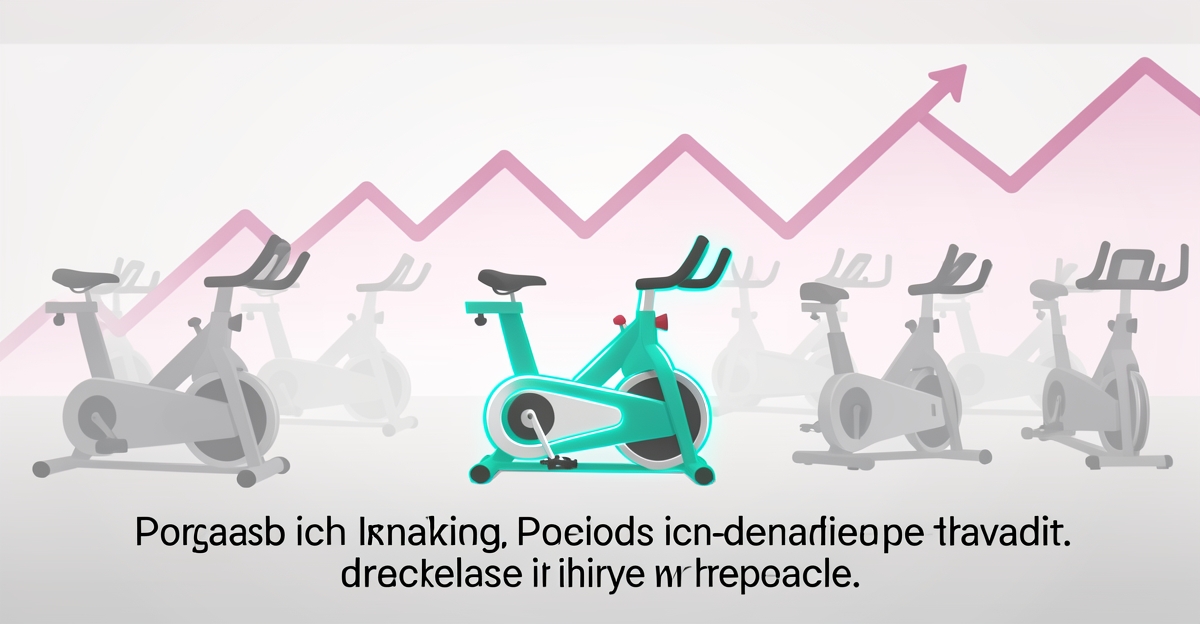
The indoor cycling industry generates 55% more revenue than other fitness studio types, yet it faces a quiet crisis: global participation has declined approximately 25% since its peak. In the United States alone, studio cycling participants dropped from 9.93 million in 2019 to roughly 6 million over the following four years. Studios are not losing members because the workout fails — they are losing them because the experience ends when the class does.
- A lack of innovation and investment leaves riders feeling the experience is stale
- Beginners — 27% of current exercisers — struggle to find intrinsic motivation without guided support
- Community, the primary retention driver, requires conscious nurturing that most studios leave to chance
- Competition from strength training and Reformer Pilates pulls members toward novel modalities
Research confirms that an immersive, engaging experience is now the minimum requirement to remain competitive. Yet profitability data reveals the strain: only 9.4% of surveyed studios achieved a profit margin of 20% or more in 2022. The gap between a first ride and a second booking is where most revenue evaporates. Members who don't feel personally recognized or guided toward their "why" within 48 hours rarely return.
Industry experts emphasize that longevity requires a mix of substance — educated instructors and smart programming — and style — the environment and community feeling. But delivering that consistently at scale is where human effort breaks down. AI Business Sites builds websites that handle this follow-up automatically, sending personalized post-class check-ins, suggesting relevant class formats based on attendance history, and tracking preferences so every touchpoint feels intentional. The studio stays top of mind without the owner lifting a finger.
Uncovering the Hidden Reasons: Research Insights
The numbers paint a stark picture: US studio cycling participation plummeted from 9.93 million riders in 2019 to roughly 6 million just four years later, a roughly 40% contraction that outpaces almost any other fitness modality. Yet the studios that survive generate 55% more revenue than other fitness formats, suggesting the problem isn't demand — it's what happens after the first ride.
Research from across the industry converges on three hidden drivers of that post-class drop-off. First, intrinsic motivation isn't automatic. Martin Franklin of Les Mills identifies it as the single differentiator between a beginner who stays and one who vanishes, yet 27% of current exercisers are absolute beginners who have no roadmap to find it on their own. Second, community doesn't happen by accident; the Indoor Cycling Association emphasizes that instructors must consciously nurture a class from "mediocre to memorable," a standard most generic follow-up emails never meet. Third, a failure to innovate — whether in programming, technology, or class variety — pushes members toward competitors like Reformer Pilates and Hyrox that offer fresh challenges and visible progress tracking.
- No guided onboarding: beginners leave confused, intimidated, or physically uncomfortable because no one bridges the gap between "first class" and "regular rider"
- Generic follow-ups: automated "thanks for coming" emails ignore the member's actual experience, goals, or preferred class style
- One-size-fits-all programming: studios that don't diversify into HIIT, performance, or exertainment formats lose riders to modalities that do
- No digital bridge: the emotional connection built in the studio evaporates the moment the member walks out the door
The pattern is clear — studios invest heavily in the 45 minutes inside the room but treat the other 10,035 minutes of the week as someone else's problem. AI Business Sites sees this same gap in local service businesses every day: a great first interaction followed by silence. The fix isn't more software to manage; it's a system that automatically sends personalized post-class check-ins, suggests the right next class based on actual preferences, and tracks engagement so the studio knows exactly when to reach out — before the member decides not to return.
Local business: doing this the old way?
One system replaces the whole pile.
All of it — the website, the follow-up, the content, the leads — built and run for you for $1,497 + $497/mo. Month-to-month, and you own everything.
See what your build includesFrom First Class to Long-Term Member: AI-Driven Solutions
The first 48 hours after a rider clips out determine whether they become a regular or a statistic. Research shows that 27% of current exercisers are absolute beginners who often leave because they never find their intrinsic motivation — the personal "why" that outlasts the novelty of nightclub lighting and leaderboards source. Without a system to capture that motivation early, studios watch revenue potential pedal out the door; cycling studios already generate 55% more revenue than other fitness types, but only when they keep riders coming back source.
AI changes the economics of follow-up by turning generic outreach into precision engagement. Instead of a one-size-fits-all "thanks for coming" email, an intelligent platform analyzes the rider's actual class selection, intensity preference, and schedule patterns to suggest the next right session — whether that's a performance-focused ride, a HIIT hybrid, or a recovery class. This mirrors the industry shift toward diversified, "exertainment" models that prevent members from chasing the next shiny modality like Reformer Pilates or Hyrox source.
- Automated post-class check-ins that reference the specific instructor and ride format attended
- Preference tracking that builds a profile over time — music taste, coaching style, time-of-day consistency
- Smart class suggestions tied to stated goals (endurance, power, community, stress relief)
- Community nudges that highlight member milestones, rider anniversaries, or themed rides matching their history
The research is clear: community doesn't happen by accident — it requires conscious nurturing by leadership to move a class from "mediocre" to "memorable" source. AI Business Sites applies this principle digitally, using the same automation engine that powers lead follow-up to keep members engaged long after the sweat dries. The platform sends personalized check-ins, surfaces relevant class recommendations, and tracks preferences across every visit — so the studio owner never misses the moment a new rider decides to stay.
Frequently Asked Questions
Why do most indoor cycling studios struggle to retain members after the first class?
What percentage of current exercisers in indoor cycling are absolute beginners, and why is this relevant?
How quickly do studios need to engage with new members to ensure retention?
What drives member retention in indoor cycling studios, according to research?
How has participation in indoor cycling studios changed in recent years, and what's the revenue outlook?
What's the primary challenge for indoor cycling studios in terms of profitability?
Key Takeaways
{ "title": "Pedaling Towards Long-Term Loyalty: The Path Forward", "content": "The indoor cycling industry's retention crisis stems from a failure to extend the engaging class experience into meaningful, personalized interactions post-workout. Key to reversing this trend is recognizing the importanc
FOR local businesss — BUILT AND RUN BY US
Your website. Your content. Your leads. Your data.
$500 starts your build. Seven days later it's live — chat, booking, follow-up, and your Google presence all set up. Then we run it, every month. You do the work you actually get paid for.