
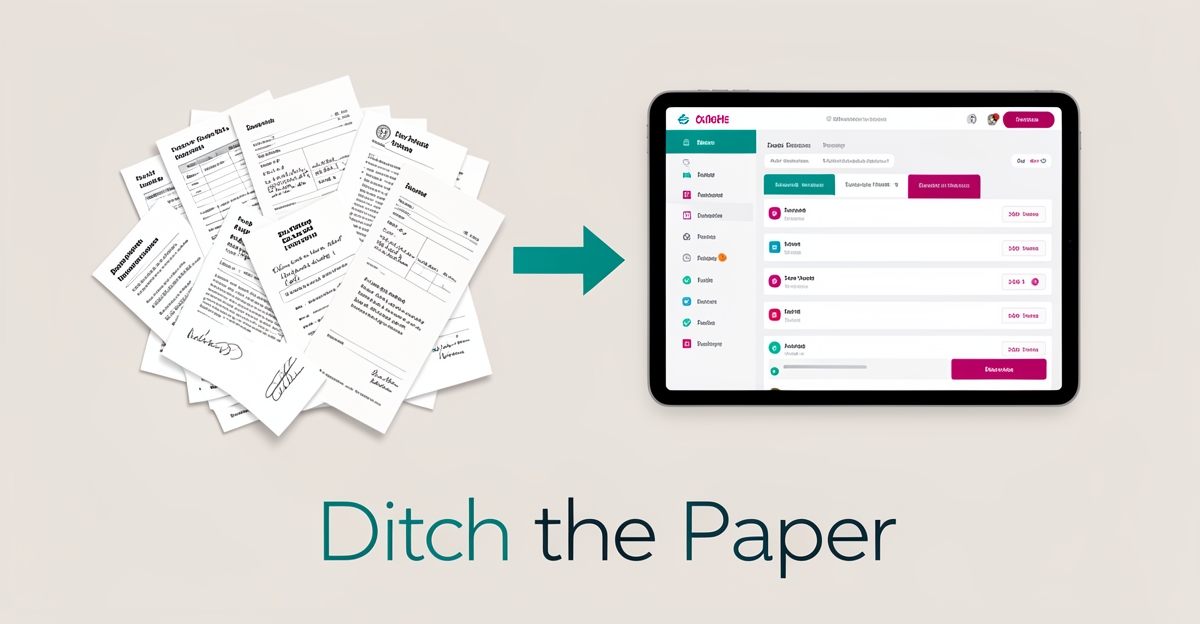
Key facts
- Handwritten work orders take 45 minutes vs. 10 minutes digitally, a 75% time reduction according to Tekmetric research
- Shops using paper records lose an estimated 75% of possible income from missed follow-ups and scheduling gaps per Torque360 case study data
- Centralized digital platforms deliver a 3x boost in operational efficiency and 2x increase in project visibility based on shop case studies
- Digital work order processing is 50% faster from estimate to active job, eliminating manual re-entry per Torque360 research
- Typing is at least 5 words per minute faster than handwriting for routine data entry tasks according to Tekmetric
- Digitally mature shops are 3x more likely to experience revenue growth and 2x more profitable per Deloitte 2019 data cited by Tekmetric
- Shops adopting digital job tracking achieve 1.2x higher customer capacity without adding bays or technicians based on Torque360 case study outcomes
WANT RESULTS LIKE THIS?
Imagine a system doing all of this for your local business — every day, without you.
We build local businesses a custom website with a team of AI behind it: every lead captured and followed up, new content published monthly,customers finding you on Google — live in 7 days.
- 85+ pages at launch
- Every lead followed up, automatically
- Your whole business on one screen
The Hidden Cost of Paper-Based Job Tracking
Handwritten work orders in alignment shops take an average of 45 minutes to complete, compared to roughly 10 minutes when processed digitally with auto-population features, creating a significant bottleneck in daily operations. This time difference reflects not just inefficiency but a measurable loss of throughput that compounds across multiple jobs each day. Typing is also consistently at least 5 words per minute faster than handwriting, further widening the gap between paper-based and digital workflows in routine data entry tasks.
These delays directly impact revenue potential, as shops using paper records lose an estimated 75% of possible income due to missed follow-ups and scheduling gaps that go unnoticed in fragmented systems. Without centralized tracking, service advisors struggle to monitor job progress, leading to delayed customer communications and overlooked upsell opportunities. The lack of real-time visibility means technicians may wait unnecessarily for parts or approvals, while managers lack the data to optimize labor allocation or predict bottlenecks.
- Digital tools reduce work order completion time by over 75% compared to handwritten methods
- Shops using paper records experience scheduling gaps that directly contribute to lost revenue
- Centralized digital platforms improve project visibility and operational efficiency by up to 3x
The persistence of paper isn’t a preference for tradition—it’s a quantifiable drag on profitability and scalability. For alignment shops aiming to grow, the shift to digital job tracking isn’t about adopting new technology for its own sake. It’s about reclaiming time, reducing errors, and ensuring every job moves smoothly from intake to completion—something AI Business Sites enables through integrated project tracking built directly into the website platform, where work orders, follow-ups, and client approvals flow automatically without manual handoffs.
Why the Industry Clings to Paper Despite the Data
Why the Industry Clings to Paper Despite the Data
In an era of digital transformation, the persistence of paper records in wheel alignment shops for job tracking may seem anachronistic. Yet, this phenomenon is rooted in deep-seated psychological and habitual barriers. The tangible security of pen-and-paper, coupled with the entrenched nature of old habits, makes the transition to digital solutions daunting for many. Moreover, the perception that digital adoption is merely a tech upgrade rather than a fundamental workflow reinvention further hinders change.
The Comfort of the Familiar
Experts highlight that "old habits are hard to break... A pen and a piece of paper can provide a better sense of security—they're tangible and tactile" (1). This attachment is not merely about comfort but also about perceived control and immediacy that digital interfaces have yet to fully replicate for some users.
Hindrances to Digital Adoption
- Perceived Tangibility and Security: The immediate, tactile feedback of paper records provides a sense of reliability that some digital solutions have not fully replaced in the minds of users.
- Habitual Resistance: The inertia of long-standing practices makes the idea of overhauling workflows with digital tools overwhelming.
- Misconception of Digital Adoption: Viewing digital transformation as merely a technological upgrade rather than a transformative process for operational workflows hinders meaningful integration (2).
The Data Speaks
Despite these barriers, the data overwhelmingly supports the benefits of digitization:
- Efficiency Gains: Digital work order software can reduce completion time from approximately 45 minutes (handwritten) to just 10 minutes (1).
- Operational Outcomes: Shops adopting digital solutions have seen a 75% prevention of missed revenue, a 2x increase in project visibility, and a 3x boost in operational efficiency (3).
- Future Competitiveness: The automotive service industry's digital shift indicates that digital tools are becoming essential for competitiveness (4).
Breaking the Cycle
For wheel alignment shops to embrace the future, it's crucial to address these psychological and habitual barriers head-on:
- Gradual Training and Support: Ease the transition with comprehensive training that highlights the tangible benefits of digital tools.
- Workflow-Centric Digital Solutions: Adopt platforms that are designed to optimize the specific workflows of auto repair shops, such as Torque360 or Tekmetric, which can integrate with a custom website solution like AI Business Sites to streamline job tracking, reduce errors, and enhance customer satisfaction.
- Reframing Digital Adoption: Emphasize that digital transformation is not just about new technology, but about reinventing workflows for enhanced efficiency, accuracy, and customer experience.
By understanding and directly addressing these barriers, the industry can begin to shift towards a more efficient, digital future—one that leverages the best of both worlds to enhance operational excellence.
Local business: doing this the old way?
One system replaces the whole pile.
All of it — the website, the follow-up, the content, the leads — built and run for you for $1,497 + $497/mo. Month-to-month, and you own everything.
See what your build includesWhat Centralized Digital Tracking Actually Changes
The shift from scattered paper records to a single digital system isn't just about going paperless — it's about what happens when every job, spec, and customer detail lives in one place that updates in real time. Shops that make this transition see a 3x boost in operational efficiency and 2x increase in project visibility, according to case study data from shops using centralized job board software. Those numbers aren't abstract — they show up in daily routines that used to eat hours.
- No more lost job cards — every vehicle's history, alignment specs, and notes stay attached to the digital record
- Auto-populated manufacturer specs eliminate manual lookups and transcription errors
- Real-time bay status means the front desk knows exactly which tech is free without walking the floor
- Automated follow-ups fill the schedule by re-engaging customers due for alignment checks
The estimate-to-job pipeline shrinks dramatically — 50% faster processing from quote to active work order — because the system carries customer details, vehicle data, and approved pricing forward without re-entry. That speed compounds: shops report 1.2x higher customer capacity without adding bays or techs, simply by eliminating the friction between steps. Research on digital adoption in auto services shows that businesses embracing centralized platforms are 3x more likely to experience revenue growth and 2x more profitable than those relying on fragmented methods. For alignment shops juggling multiple vehicles, techs, and customer timelines, a single source of truth changes the rhythm of the entire day — fewer interruptions, fewer "where's that paperwork?" moments, and a schedule that actually stays full.
From Paper to Platform: A Practical Migration Path
From Paper to Platform: A Practical Migration Path for Alignment Shops
The persistence of paper records in alignment shops, despite the digital age, stems from psychological attachment and habit. However, embracing digital transformation can significantly enhance efficiency, accuracy, and customer satisfaction. Here's a low-friction transition path, grounded in industry insights and research:
1. Mirror and Digitize: Digital Work Orders Begin by replicating your paper work order fields in a digital format. This immediate familiarity reduces resistance to change. According to industry research, typing is at least 5 words per minute faster than handwriting, promising immediate productivity gains.
2. Introduce Auto-Reminders for Alignments and Tire Rotations Layer in automated reminders to ensure timely follow-ups, a feature that can prevent missed appointments and increase customer retention. A case study highlights a 75% prevention of missed revenue through similar automated systems.
3. Implement Customer Approval Portals Enhance transparency and efficiency with digital approval portals, allowing customers to review and approve jobs seamlessly. This not only streamlines the process but also provides a tangible improvement in customer experience, a key aspect of digital transformation in auto services.
4. Leverage AI-Driven Follow-Ups for Unsold Recommendations Finally, enable AI to proactively follow up on unsold service recommendations, ensuring no potential revenue is left unaddressed. This strategic step aligns with the broader industry trend towards leveraging technology for enhanced customer engagement and operational efficiency.
Key Benefits of This Migration Path:
- Enhanced Efficiency: Reduce work order completion time from approximately 45 minutes (handwritten) to about 10 minutes (digital) (Tekmetric).
- Improved Accuracy: Minimize errors inherent in handwritten records.
- Centralized Operations: Manage leads, track jobs, and send reminders from a single, smart website platform, such as those designed by AI Business Sites, which integrate CRM, automation, and content generation seamlessly.
By following this gradual, data-driven approach, alignment shops can successfully transition from paper to a fully integrated digital platform, positioning themselves for success in a digitally evolving market.
Frequently Asked Questions
Why do wheel alignment shops still use paper records despite the digital age?
How much time can digital work order software save compared to handwritten methods?
What is the estimated revenue loss for shops using paper records due to inefficiencies?
How does centralized digital tracking improve operational efficiency in alignment shops?
What is a practical first step for alignment shops transitioning from paper to digital job tracking?
How can digital transformation address the psychological barriers to adopting new technology in alignment shops?
The Paper Trail Ends Here
The data is clear: paper-based job tracking costs alignment shops an average of 35 minutes per work order, creates scheduling gaps that drain revenue, and leaves follow-ups to chance. Shops that centralize their operations digitally see a 3x boost in operational efficiency and prevent an estimated 75% of missed revenue from overlooked appointments and unsold recommendations. The shift isn't about replacing paper with screens — it's about replacing guesswork with a system that carries every detail forward automatically, from estimate to approval to follow-up. For shops ready to stop losing time to manual handoffs, the path forward starts with digitizing the work order, then layering in automated reminders, customer approval portals, and AI-driven follow-ups — each step building on the last without disrupting daily flow. AI Business Sites builds this capability directly into your website, so job tracking, lead follow-up, and client communication all live in one place that updates itself. If your schedule has holes you can't explain and follow-ups slip through the cracks, it's not a staffing problem — it's a tracking problem. See what centralized tracking changes.
FOR local businesss — BUILT AND RUN BY US
Your website. Your content. Your leads. Your data.
$500 starts your build. Seven days later it's live — chat, booking, follow-up, and your Google presence all set up. Then we run it, every month. You do the work you actually get paid for.