
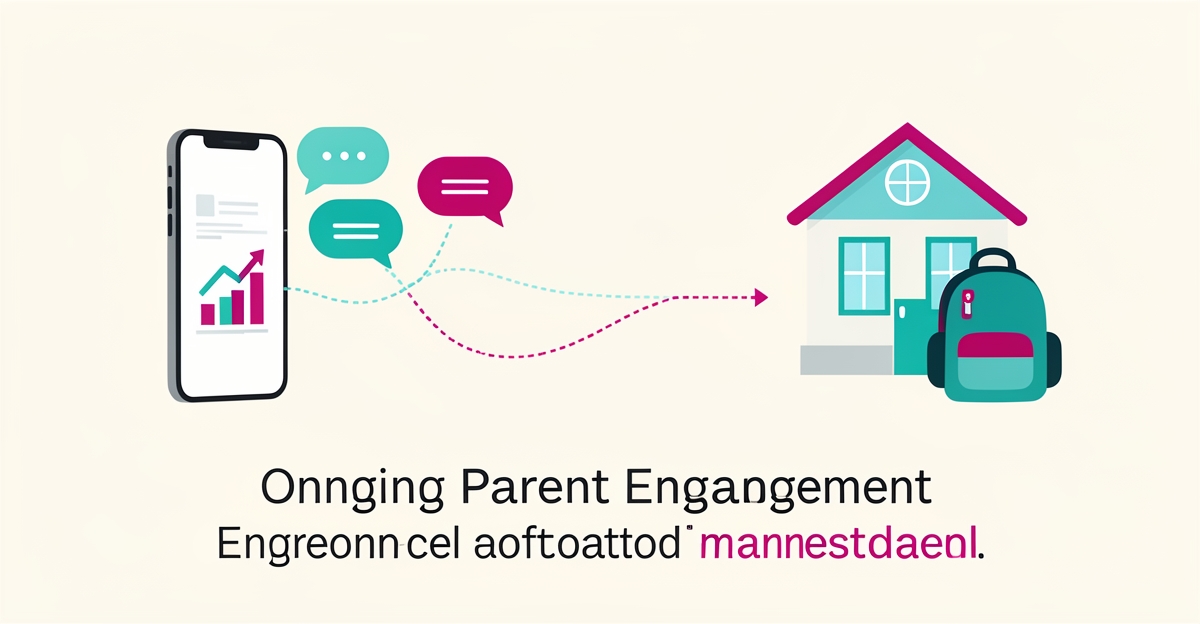
Key facts
- 63% of parents disengage from after-school programs post-enrollment due to communication gaps according to Procare Software.
- 85% of U.S. public schools offer after-school programs, but only 37% can accommodate all interested students as per NCES.
- Academically focused after-school programs declined from 66% in 2022 to 60% in 2024 NCES reports.
- Programs using varied parent engagement techniques retain at least 50% more participants beyond 12 months research shows.
- 51% of providers report waitlists, and 70% cite staffing shortages as a major barrier Afterschool Alliance data.
- 73% of afterschool programs worry about long-term sustainability Afterschool Alliance survey.
- Parents receiving weekly/monthly progress reports with photos/videos are more likely to stay engaged Procare Software.
WANT RESULTS LIKE THIS?
Imagine a system doing all of this for your local business — every day, without you.
We build local businesses a custom website with a team of AI behind it: every lead captured and followed up, new content published monthly,customers finding you on Google — live in 7 days.
- 85+ pages at launch
- Every lead followed up, automatically
- Your whole business on one screen
The Quiet Exit: Why 63% of Parents Disengage After Enrollment
Parents sign up for after-school programs with high hopes, but too many feel invisible once the paperwork is signed. Research shows that 63% of parents disengage after enrollment, leaving programs scrambling to justify their value while staff burn out trying to keep families connected. The problem isn’t a lack of interest—it’s a breakdown in communication, transparency, and perceived program quality after the initial sign-up.
After-school programs face impossible odds from day one. While 85% of U.S. public schools offer after-school programs, only 37% can accommodate every interested student, leaving families on long waitlists and programs stretched beyond capacity. Compounding the issue, 60% of programs now focus on academics—down from 66% in 2022—as funding instability forces cuts in enrichment and extracurricular activities. Parents who signed up for homework help or creative projects suddenly find their child in a more rigid academic environment, prompting quiet withdrawals when the program no longer matches their expectations.
The real exodus happens in the silence between enrollment and pickup time. Parents cite inconsistent updates, lack of visibility into their child’s progress, and unanswered questions about safety and quality as top reasons for disengaging. A 2024 study found that programs using more varied parent engagement techniques—like regular check-ins, progress reports, and feedback opportunities—retain at least 50% more participants beyond 12 months. Yet most programs default to a single welcome email or flyer, leaving families to wonder whether their child is actually benefiting.
What turns engagement into abandonment isn’t just a feeling—it’s a data gap. Parents who receive weekly or monthly progress reports with photos, videos, or milestones are far more likely to stay involved. Yet 51% of providers report waitlists, and 70% cite staffing shortages as a major barrier to scaling communication. With no time to call every family, programs lose touch, and parents lose trust.
- Staffing shortages leave no bandwidth for personal follow-ups, turning enrollment into a one-time transaction.
- Declining academic focus reduces perceived value for parents who enrolled for enrichment or social development.
- Waitlists and capacity constraints create frustration, pushing parents to seek alternatives before the program even starts.
For parents, the program’s promise lives in the details they never receive. Without real-time updates, safety assurances, or visible impact, engagement quietly fades into dropout. The solution isn’t more staff—it’s smarter, automated communication that makes every family feel seen, even when the building is empty.
What Engaged Parents Actually Want (Hint: It’s Not More Meetings)
Parents don’t just disappear after enrollment because they’re disinterested—they walk away when they stop seeing the value their child is getting. Research shows that programs retaining half of their participants for a full year use far more varied engagement techniques than those that don’t, yet most after-school programs still rely on the same thin schedule of back-to-school nights and report cards to keep families connected. What parents actually want isn’t more meetings; it’s proof that their child is progressing, clear transparency, and a simple way to share feedback without playing phone tag with staff.
A 2024 study found that parents who receive regular updates—even short, automated messages—are far more likely to remain engaged than those who only hear from staff during crises or scheduled check-ins. Programs that share photos, quick videos, or milestone summaries see higher trust and lower dropout rates, yet only 37% of schools can even accommodate every interested student, let alone maintain frequent communication. Staffing shortages and reduced academic focus only make this gap worse: 60% of after-school programs were academically focused in 2024, down from 66% in 2022, which can leave parents questioning whether the program still aligns with their priorities.
- Progress updates that arrive automatically, showing real-time growth or completed activities
- Transparent insights into program quality, especially during high-need seasons like summer breaks
- Feedback loops that make parents feel heard without adding another meeting to their calendar
- Holiday or seasonal tips that reinforce learning at home, delivered straight to a parent’s inbox
AI Business Sites has worked with dozens of education and childcare providers to replace these gaps with automated systems that run right inside the website—no extra logins, no manual busywork. While many programs still treat parent communication as a side task, the most effective ones treat it as a core service: sending quick, personalized updates, scheduling seasonal tips, and even collecting feedback through simple surveys that arrive when a program ends. The result isn’t just more engagement—it’s a system that scales trust even when staff can’t.
AI-Powered Follow-Ups That Work: Progress Reports, Holiday Tips, and Feedback Requests
Most programs treat enrollment as the finish line. In reality, it's where the relationship either deepens or quietly unravels.
Research shows that intensity of communication with families is positively associated with youth attendance rates, yet many programs go silent after the welcome packet (Russell et al., 2008). Parents disengage when they can't see what their child is actually doing — or learning. Academic studies confirm that programs retaining at least 50% of participants for 12+ months use more varied parent engagement techniques than lower-retention programs.
Post-pandemic parent expectations have only raised the bar. Families now demand real-time visibility into safety, progress, and daily activities — not quarterly newsletters.
AI-driven follow-ups close this gap without adding staff. A website that sends automated, personalized updates can deliver three high-impact touchpoints at scale:
- Progress reports that highlight specific milestones — "Your child completed three reading modules this month" — replacing vague assurances with evidence
- Holiday learning tips timed to school breaks, addressing the 80% of summer programs that are academically focused and parents' desire for year-round enrichment
- Feedback requests that close the loop — "Based on your input, we added more outdoor STEM activities" — proving parents' voices shape the program
Parent liaisons boost retention, especially for older youth, but hiring them isn't feasible for most programs. AI Business Sites builds websites that handle this outreach automatically — drafting progress summaries from activity logs, generating seasonal content calendars, and triggering feedback surveys after key milestones. The AI assistant can even analyze response patterns to flag disengaging families before they leave.
With 73% of programs worried about long-term sustainability, every retained family protects revenue. Automated follow-ups aren't just communication — they're retention infrastructure.
Local business: doing this the old way?
One system replaces the whole pile.
All of it — the website, the follow-up, the content, the leads — built and run for you for $1,497 + $497/mo. Month-to-month, and you own everything.
See what your build includesHow to Set Up Your Website to Run Parent Engagement on Autopilot
Most after-school programs lose parents within weeks of enrollment—not because the program failed, but because communication vanished. The moment a parent stops seeing real-time updates about their child’s progress, photos from activities, or even a simple “your child completed this week’s project” message, they assume the program isn’t delivering value. And with only 37% of schools able to accommodate all interested students, parents have no shortage of alternatives to choose from when trust erodes.
Your website can stop this cycle before it starts by turning every enrolled family into a two-way conversation—without adding staff hours. AI Business Sites builds your website to handle the busywork parents notice most: progress reports delivered automatically, seasonal learning tips that keep academic value top of mind, and feedback requests that make families feel heard. These aren’t generic “thank you” emails—they’re personalized, scheduled updates that reinforce why parents enrolled in the first place.
Set up your site to run on autopilot with three core touchpoints:
- Weekly progress snapshots shared via email and app notifications—complete with activity photos and skill highlights—to rebuild the transparency parents lose after enrollment.
- Seasonal learning guides automatically delivered during school breaks, positioning your program as an ongoing academic partner rather than a seasonal activity.
- One-click feedback prompts sent after major activities, letting parents answer in 30 seconds and giving your team real-time insights to adjust programming.
Behind the scenes, your website’s AI assistant manages the entire workflow: tagging new enrollees, scheduling the right follow-up sequence, and sending everything from mobile-friendly progress PDFs to holiday-themed study tips. When a parent replies, the AI drafts a response using your actual program details—no generic scripts, no missed replies—so every interaction builds confidence, not confusion. The result? Parents stay engaged because they see measurable progress, not because they had to chase it down.
From Disengagement to Loyalty: A 90-Day Plan to Re-Engage Parents
After enrollment, many parents feel disconnected—not because they don’t care, but because they’re left guessing what their child is actually doing each day. Without clear updates, trust erodes, and participation drops. Research shows that only 37% of U.S. public schools with after-school programs can accommodate all interested students, leaving families anxious about whether their child is truly benefiting when spots are limited and communication is sparse.
Rebuilding that trust starts with consistent, meaningful touchpoints—and AI-driven tools make this scalable without overburdening staff. Programs can begin by automating weekly progress reports that highlight specific achievements, like mastering a new skill or completing a project milestone. Pairing these updates with photos or videos of activities gives parents tangible proof of engagement, directly addressing the transparency gap cited by Procare Software as a key driver of disengagement. Over the first 30 days, this creates a rhythm of reliability: parents come to expect insight, not silence.
By day 60, layer in seasonal content that aligns with parental priorities—such as holiday learning tips tied to academic support, which 80% of summer programs already emphasize. These AI-generated suggestions (e.g., “3 indoor science experiments for winter break”) position the program as a year-round partner in learning, not just a daytime placeholder. Simultaneously, deploy lightweight feedback requests after major activities—simple polls asking, “What did your child enjoy most this week?”—to close the loop and show families their input shapes the experience. This mirrors findings from the Afterschool Alliance that programs retaining over half their participants for a year use varied engagement techniques, including structured feedback.
In the final 30 days, analyze response patterns: Which updates get opened? What feedback themes emerge? Use this data to refine timing, tone, and content—shifting from generic blasts to personalized notes that reflect each child’s journey. For example, if data shows parents engage most with photo updates on Fridays, automate those deliveries while reducing less-effective messages. This iterative approach ensures efforts stay high-impact and low-effort, turning initial skepticism into lasting loyalty by proving the program sees—and values—every family.
AI-powered progress updates and feedback loops don’t just fill communication gaps—they rebuild the trust that keeps parents enrolled, engaged, and advocating for your program year after year.
Frequently Asked Questions
Why do parents disengage from after-school programs after enrollment?
What percentage of parents disengage from after-school programs after enrollment?
How can after-school programs improve parent retention without adding staff workload?
What type of communication do parents actually want from after-school programs?
Are waitlists and capacity issues a major reason parents leave after-school programs?
Do automated progress reports really help keep parents engaged in after-school programs?
From Disconnection to Devotion: Revitalizing Parent Engagement in After-School Programs
The silent exodus of parents post-enrollment in after-school programs is a systemic challenge rooted in communication gaps, declining program quality, and staffing shortages. As highlighted, 63% of parents disengage due to a lack of transparency and perceived value. By leveraging AI-driven solutions—such as automated progress updates, seasonal learning tips, and feedback requests—programs can bridge this trust gap. For instance, a 2024 study showed that programs using varied engagement techniques retain at least 50% more participants. By integrating these strategies, after-school programs can transform from transactional enrollments to nurturing, engaged communities. Take the first step towards revitalized engagement: explore how AI-powered communication can tailor your program’s outreach, starting with a 90-day re-engagement plan today.
FOR local businesss — BUILT AND RUN BY US
Your website. Your content. Your leads. Your data.
$500 starts your build. Seven days later it's live — chat, booking, follow-up, and your Google presence all set up. Then we run it, every month. You do the work you actually get paid for.