
Key facts
- The AI-powered website builder market is projected to reach $31.5 billion by 2033, up from $3.17 billion in 2023 market research.
- Small and medium-sized enterprises drive 63% of AI-powered website builder adoption industry analysis.
- AI website builders deliver a 95% time savings for businesses needing to launch quickly aggregated industry statistics.
- The learning curve for AI website builders averages just 15 minutes compared to 4–8 hours for traditional platforms builder statistics.
- 67.39% of buyers prefer AI-driven website builders over traditional ones for operational simplicity market data.
- Cloud-based deployment holds over 75% market share due to accessibility and scalability industry analysis.
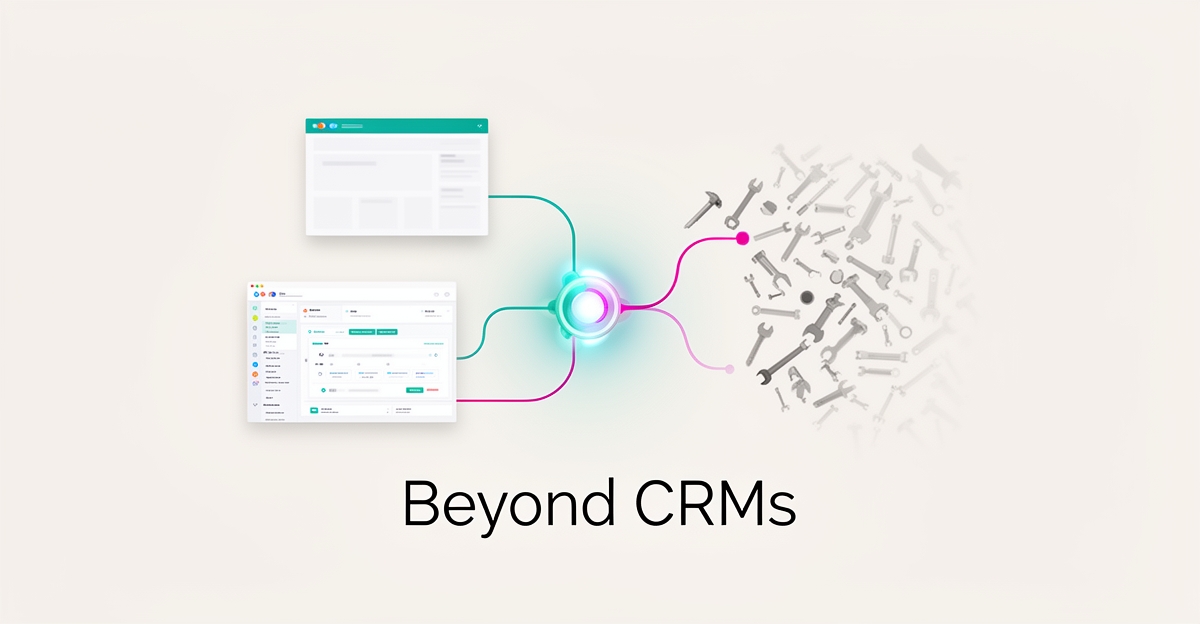
- The real alternative to HubSpot is operational friction from disconnected tools, not another CRM platform market research.
WANT RESULTS LIKE THIS?
Imagine a system doing all of this for your local business — every day, without you.
We build local businesses a custom website with a team of AI behind it: every lead captured and followed up, new content published monthly,customers finding you on Google — live in 7 days.
- 85+ pages at launch
- Every lead followed up, automatically
- Your whole business on one screen
The Real Challenge: Beyond Features to Managed Outcomes
Here's an uncomfortable truth most comparison articles skip: the platform with the most features rarely wins for small businesses. The real battle happens after purchase, when implementation complexity meets limited time and technical resources.
Small and medium-sized enterprises now drive 63% of the AI-powered website builder market, yet many still struggle with traditional platforms that demand significant learning investment. While AI builders average a 15-minute learning curve, traditional platforms require 4-8 hours of onboarding—time most business owners simply don't have.
The challenge extends beyond initial setup. HubSpot positions itself as all-in-one, but many businesses discover they're still managing what industry analysts call "shadow AI" systems—disconnected tools requiring constant oversight. The talent shortage makes this worse. As Technavio's research notes, the persistent lack of technical expertise is driving urgent demand for democratized AI solutions that don't require dedicated staff.
Consider what "all-in-one" actually costs when you factor in the hidden expenses:
- Multiple seat licenses that scale with team growth
- Add-on costs for features like e-signature or advanced automation
- Integration work connecting website, CRM, and communication tools
- Ongoing content creation and system maintenance
- Training time for every new team member
This explains why managed outcomes are replacing DIY software as the real competitive battleground. Businesses increasingly recognize that the question isn't "which platform has more features?" but rather "who handles the technical complexity?" When AI builders offer 95% time savings for rapid deployment, the value shifts from capability to execution.
At AI Business Sites, we've built our approach around this reality. Rather than handing clients another dashboard to learn, we handle implementation, content creation, and system management entirely. The website becomes a business tool that works immediately, not a project that demands ongoing technical attention.
The market data confirms this shift. With 67.39% of buyers preferring AI-driven builders for operational simplicity, the competitive advantage no longer belongs to platforms with the longest feature lists. It belongs to solutions that deliver finished outcomes—websites that answer calls, generate content, and manage customer relationships without requiring owners to become software administrators.
That's the real answer to the HubSpot competitor question. The biggest threat isn't another CRM platform. It's the growing recognition that small businesses need managed results, not more tools to manage.
Why the Competitive Landscape Is Misunderstood
Ask a room of small business owners who HubSpot competes with and you will get confident, conflicting answers. The honest answer, backed by the current market data, is that the question itself is framed wrong.
The research set assembled for this article makes that clear. Across eight sources covering the AI website builder and CRM landscape, not one names a definitive HubSpot rival — the Market.us industry report, the Technavio AI builder analysis, and vendor materials from Attio, Creatio, and Zendesk all describe adjacent players without ever mapping a head-to-head competitor. That gap is not a research failure. It is the insight.
HubSpot does not primarily lose deals to Salesforce, Zoho, or any single named platform. It loses to the status quo: a growing business stitching together a website builder here, a CRM there, an email tool, a booking app, and a spreadsheet to hold it all together. The real alternative to HubSpot is operational friction — the daily tax of disconnected tools that never quite sync.
The market data reinforces why this framing matters. According to aggregated industry statistics, AI website builders deliver a 95% time savings for businesses that need to launch quickly, and the learning curve averages just 15 minutes compared to 4–8 hours for traditional platforms. Meanwhile, market research shows cloud-based solutions now hold over 75% of the market, with small and mid-sized businesses driving 63% of adoption. Buyers are not shopping for a better CRM. They are voting with their wallets for fewer moving parts.
This is why feature-by-feature comparison charts miss the point. When a business evaluates HubSpot against a rival, the spreadsheet compares tiers, seat pricing, and tool limits. What it never captures is the hidden competitor:
- The hours lost copying lead data between a website form and a CRM
- The follow-up emails that never send because two tools stopped syncing
- The content calendar that dies because nobody owns publishing
- The monthly cost of six subscriptions that each do one job adequately
None of that appears in a Gartner quadrant or a pricing table. Yet it is exactly what pushes a business to switch — or to stay stuck.
At AI Business Sites, this is the lens we apply when mapping the competitive landscape for a managed AI website and CRM. The businesses we talk to are rarely choosing between HubSpot and another platform. They are choosing between a unified system and the accumulated drag of assembling one themselves. With the AI-powered website builder market projected to grow from $3.17 billion in 2023 to $31.5 billion by 2033, the momentum is clearly behind consolidation, not fragmentation.
So when you ask who HubSpot's biggest competitor is, the most accurate answer is not a company name. It is the quiet, expensive alternative of doing everything separately — and the market data suggests buyers are finally done paying for it.
Local business: doing this the old way?
One system replaces the whole pile.
All of it — the website, the follow-up, the content, the leads — built and run for you for $1,497 + $497/mo. Month-to-month, and you own everything.
See what your build includesWhat a Truly Managed Alternative Looks Like in Practice
A managed AI website isn’t a template you tinker with; it’s an operating system you hand off. Buyers in the AI-powered website builder market are responding to that shift, with the market projected to reach USD 31.5 billion by 2033 from USD 3.17 billion in 2023 market research. Demand is driven by non-technical owners who want speed without a technical project.
In practice, a truly managed alternative means the provider owns the full lifecycle, not just the launch. Setup, training, content production, and system performance are handled by the team, so the client never touches hosting, prompts, or integrations. That model aligns with adoption trends where cloud-based deployment holds over 75% share in 2023 industry analysis because accessibility and scalability matter more than DIY control.
The difference shows up in outcomes like lead capture, quoting, and invoicing that run without client-side work. A field-service loop can be closed end-to-end: AI-drafted quotes from a call, online approval with e-signature, automatic job creation, and invoice collection with review requests. The website also becomes a content engine, publishing new SEO pieces monthly and maintaining internal linking, schema, and featured images so rankings improve over time.
AI Business Sites illustrates the done-for-you promise in this category. The build is live in 7 days with 85+ pages, and the monthly service includes hosting, maintenance, 14+ new SEO pieces, 24/7 chat and voice, and the Jobs & Estimates module. The client owns code, content, and data, and can cancel with 30 days’ notice.
What a genuine managed alternative delivers:
- Full ownership of setup and optimization, from Google presence to CRM and automations
- Ongoing content generation with AI-driven personalization and automated internal linking
- Operational modules like quotes, scheduling, invoicing and review requests included, not gated
- Continuous monitoring and improvement by a human team behind the AI system
Speed and simplicity are why 67.39% favor AI-driven website builders over traditional ones market data. The learning curve for AI website builders averages just 15 minutes, compared to 4–8 hours for traditional platforms builder statistics, and builders offer a 95% time savings for businesses that need to launch quickly industry statistics.
With done-for-you management, the website stops being a brochure and starts running the business. The owner focuses on service delivery while the system answers, writes, sells, remembers, and follows up automatically.
Frequently Asked Questions
Who is HubSpot's biggest competitor for small businesses?
Why do small businesses struggle with traditional platforms like HubSpot despite their features?
What does 'managed outcomes' mean in the context of AI website builders vs. traditional CRM platforms?
How much time can AI website builders save compared to traditional platforms for small businesses?
What percentage of small and medium-sized businesses drive the AI-powered website builder market?
Why are feature-by-feature comparisons misleading when evaluating HubSpot against competitors?
The Real Win Isn’t in the Feature List
The article makes clear that HubSpot’s biggest challenge isn’t another CRM platform—it’s the hidden cost of managing disconnected tools, from syncing data between apps to maintaining content and follow-ups that eat up time small business owners simply don’t have. As the data shows, AI-driven builders are winning not because they have more features, but because they deliver managed outcomes: websites that launch in 7 days, run automations, generate content, and handle customer interactions without requiring owners to become tech administrators. With 67.39% of buyers now favoring AI-driven builders for operational simplicity and a 95% time savings on deployment, the shift is clear—businesses are choosing fewer moving parts over longer feature lists. If you’re ready to stop juggling subscriptions and start running your business from a single, managed system, book a free strategy call to see how AI Business Sites handles the setup, content, and ongoing management so you can focus on what you do best. Start your free strategy call.
FOR local businesss — BUILT AND RUN BY US
Your website. Your content. Your leads. Your data.
$500 starts your build. Seven days later it's live — chat, booking, follow-up, and your Google presence all set up. Then we run it, every month. You do the work you actually get paid for.