
Key facts
- Hydroponic farms lose contracts due to disconnected systems, with overproduction rotting in coolers and underproduction leaving demand unmet, according to industry experts.
- The global hydroponics market is projected to surge from $12.7 billion in 2024 to $43.8 billion by 2035, intensifying the cost of inefficient crop turnover management.
- Closed-loop irrigation in hydroponics saves approximately 40% water compared to traditional farming, yet similar efficiency gains in information flow remain rare.
- 55% of aggregate hydroponic systems already use real-time sensor networks for nutrients, humidity, and CO₂ monitoring, but insights stay trapped without unified demand tracking dashboards.
- Farms using integrated platforms that combine environmental monitoring with customer order data see measurable improvements in harvest timing and waste reduction, per industry rankings.
- Europe dominates the hydroponics market with a 45% revenue share in 2024, driven by advanced greenhouse infrastructure and policy support.
- Documentation tools that log variability—such as growth delays or pest outbreaks—enable trend analysis, turning crisis response into preventative planning for future seasons.
WANT RESULTS LIKE THIS?
Imagine a system doing all of this for your local business — every day, without you.
We build local businesses a custom website with a team of AI behind it: every lead captured and followed up, new content published monthly,customers finding you on Google — live in 7 days.
- 85+ pages at launch
- Every lead followed up, automatically
- Your whole business on one screen
The Hidden Cost of Disconnected Systems in Hydroponic Farming
Hydroponic farms operate on razor-thin margins where timing is everything — yet most still run crop cycles and customer orders on separate spreadsheets, whiteboards, or disconnected software tools. That gap creates a silent drain: overproduction that rots in coolers, underproduction that loses contracts, and no clear way to match harvest windows with actual demand. As the global hydroponics market surges from $12.7 billion in 2024 to a projected $43.8 billion by 2035, the cost of flying blind only compounds.
- Crop cycle data lives in environmental controllers while customer orders sit in email threads or a generic CRM
- No shared visibility means sales teams sell what isn't ready, and growers harvest what isn't sold
- Manual reconciliation eats hours each week — time that could go to optimizing nutrient recipes or scouting pests
- Historical patterns go undocumented, so every season starts from scratch instead of building on prior data
Industry experts emphasize that seamless integration between lead tracking and crop turnover data is critical for holistic farm operations, enabling farms to see demand patterns and respond proactively. Real-time sensor networks already monitor nutrients, humidity, and CO₂ across 55% of aggregate systems dominating the market — but without a unified view tying that data to sales pipelines, the insights stay trapped in dashboards nobody checks. Closed-loop irrigation saves roughly 40% water versus traditional farming, yet similar efficiency gains in information flow remain rare.
AI Business Sites was built to close exactly this gap — giving farms a website that doesn't just showcase produce but actively connects incoming leads with live crop cycle updates so production decisions reflect real demand, not guesswork.
What Research Shows Works: Integrating Sensor Data with Demand Tracking
Research shows that hydroponic farms managing crop turnover need websites that do more than just display information—they must act as intelligent hubs connecting sensor data with real-time demand tracking. Farms using integrated platforms that combine environmental monitoring with customer order data are seeing measurable improvements in harvest timing and waste reduction. According to industry experts, automation-friendly sites that support sensor-driven logic for nutrients, humidity, and CO₂ levels—paired with CRM-linked order forecasting—help farms align production cycles with actual market demand.
The most effective platforms automate visibility across both crop conditions and customer demand. Live dashboards that merge sensor readings with sales pipeline data allow growers to spot trends—like seasonal spikes in leafy greens orders—months in advance. A recent ranking of hydroponic software platforms found that the top performers offered multi-zone control, automated alerts for out-of-range conditions, and seamless integration between production tracking and lead management. These features reduce the manual work of documenting variability—such as delayed growth or pest outbreaks—while ensuring consistent yields critical for contract growers.
Here’s what research confirms works best for managing crop turnover:
- Real-time sensor integration: Platforms that automatically pull data from moisture sensors, root-zone monitors, and climate controls eliminate manual logging and surface issues before they impact harvests.
- CRM-linked demand forecasting: Linking customer orders, contracts, and seasonal trends with crop cycle data helps farms adjust planting schedules proactively, not reactively.
- Automated alerting: Systems that flag anomalies—like nutrient deficits or temperature spikes—across multiple growing zones prevent crop loss without requiring constant manual oversight.
- Documentation tools that log variability (e.g., growth delays, pest outbreaks) build datasets for trend analysis, enabling preventative planning rather than crisis response.
Industry data underscores why these integrations matter. The global hydroponics market is projected to reach $43.8 billion by 2035, driven by demand for pesticide-free produce and urban farming constraints. Farms using automation for seeding, harvesting, and packaging—combined with real-time data transmission—are cutting labor costs by up to 30% while improving crop quality. For hydroponic operations, the difference between profit and loss often comes down to precision in timing. Websites that merge sensor-driven automation with demand tracking give growers the edge they need to meet contracts, reduce spoilage, and scale efficiently.
Local business: doing this the old way?
One system replaces the whole pile.
All of it — the website, the follow-up, the content, the leads — built and run for you for $1,497 + $497/mo. Month-to-month, and you own everything.
See what your build includesHow AI Business Sites Built-In Tools Close the Loop Between Leads and Harvests
How AI Business Sites Built-In Tools Close the Loop Between Leads and Harvests
For hydroponic farms, aligning crop turnover with customer demand is crucial for maximizing yields and minimizing waste. AI Business Sites bridges this gap by seamlessly integrating lead tracking with operational workflows, empowering farms to respond proactively to demand patterns.
Real-Time Data Integration for Proactive Production A recent study highlights the importance of real-time data in hydroponics, with the global market projected to reach $43.8 billion by 2035, growing at a CAGR of 12.1% (Transparency Market Research, 2024). AI Business Sites' built-in CRM and automation capabilities ensure that lead data (e.g., customer orders, contracts) is instantly reflected in crop production schedules. For example, if a surge in orders for leafy greens is detected, the system can automatically adjust irrigation and nutrient schedules for the relevant hydroponic zones, ensuring timely harvests.
Key Statistics Driving the Need for Integrated Solutions
- Market Growth: The hydroponics market is expected to grow from $12.7 billion in 2024 to $43.8 billion by 2035 (Transparency Market Research).
- Water Efficiency: Closed-loop irrigation in hydroponics saves approximately 40% of water compared to traditional farming methods (Transparency Market Research).
- Adoption Drivers: Urbanization and the demand for pesticide-free produce are key drivers, with Europe leading the market with a 45% revenue share in 2024 (Transparency Market Research).
How AI Business Sites Delivers
- Automated Crop Cycle Tracking: Integrates with real-time sensor data for precise harvest scheduling, aligned with demand forecasts from the CRM.
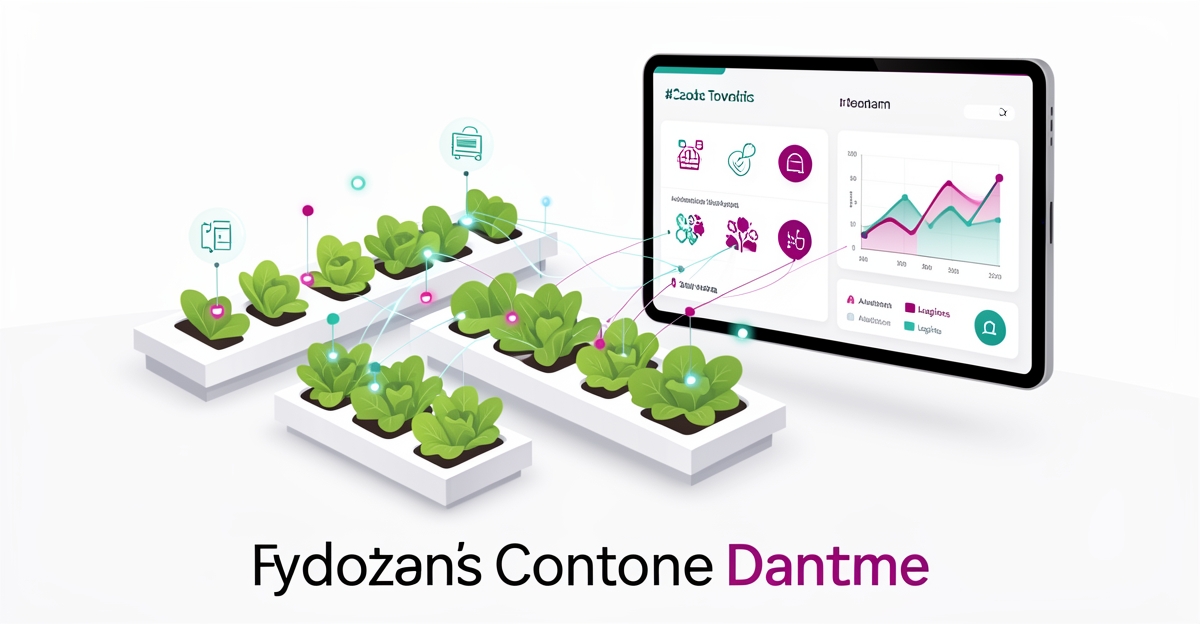
- Demand Visibility: Live dashboards show both crop readiness and customer demand trends, enabling farms to adjust production in real-time.
- Seamless Workflow Automation: From lead capture to harvest planning, every step is automated, reducing manual coordination and minimizing the risk of missed harvests.
Expert Insights Align with AI Business Sites' Capabilities Industry experts emphasize the need for real-time data integration and automated workflows in hydroponics (Greenhouse Grower). AI Business Sites' platform, with its AI assistant and automation builder, directly addresses these needs by:
- Automating follow-ups and responses to leads, ensuring no demand goes unnoticed.
- Providing a unified view of crop cycles and customer demand, facilitating data-driven decisions.
- Offering customizable automation templates (e.g., "New Lead Welcome Sequence") that can be tailored to hydroponic farm operations, streamlining workflows without requiring technical expertise.
By closing the loop between leads and harvests, AI Business Sites enables hydroponic farms to optimize their operations, reduce waste, and capitalize on market demand effectively.
Frequently Asked Questions
Why can't I just keep using spreadsheets and whiteboards to manage my hydroponic crop cycles and customer orders?
What does research say about integrating sensor data with customer demand tracking for hydroponic farms?
How much water do hydroponic farms actually save with closed-loop irrigation compared to traditional farming?
What should I look for in a website platform to actually help manage crop turnover instead of just showing off my produce?
Is the hydroponics market growing fast enough to justify investing in better technology now?
How do automated alerts and multi-zone control prevent crop loss without constant manual oversight?
From Guesswork to Growth: Your Next Harvest Starts With the Right Website
Hydroponic farms can no longer afford the disconnect between what's growing and what's selling. The research is clear: operations that unify sensor-driven crop data with real-time demand tracking reduce waste, hit contract deadlines, and scale without adding headcount. A website that merely displays produce misses the point — the ones that move the needle merge environmental monitoring, CRM-linked forecasting, and automated alerts into a single view where growers and sales teams finally see the same picture. As the market surges toward $43.8 billion by 2035, the gap between farms that guess and farms that know will only widen. Start by auditing your current stack: does your website pull live crop readiness into your sales pipeline? Can it flag a nutrient drift before it becomes a lost harvest? If not, it's time to expect more from your digital presence — one that doesn't just represent your farm, but helps run it.
FOR local businesss — BUILT AND RUN BY US
Your website. Your content. Your leads. Your data.
$500 starts your build. Seven days later it's live — chat, booking, follow-up, and your Google presence all set up. Then we run it, every month. You do the work you actually get paid for.