
Key facts
- 38% of people stop engaging with a website if it's unattractive according to industry research
- 39% of people abandon pages that load too slowly based on user behavior data
- Nearly 50% of users won't wait longer than two seconds for a page to load per engagement studies
- Over 65% of website traffic now comes from mobile devices per mobile traffic analysis
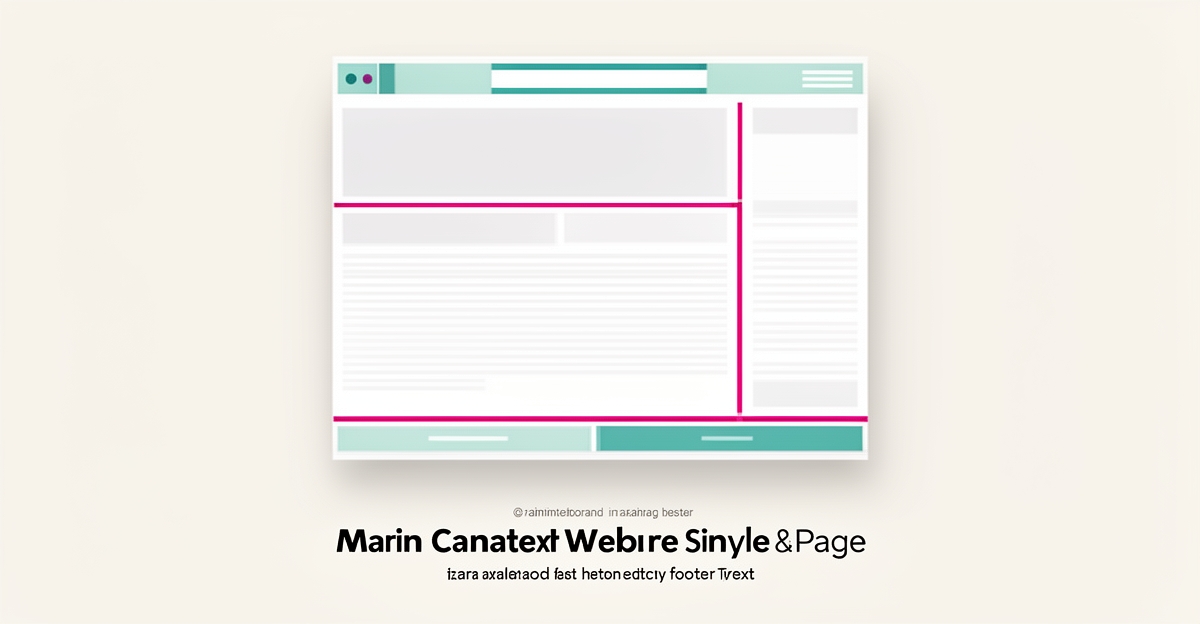
- AI Business Sites builds every page around 5 components: Header, Hero, Content, Sidebar, Footer as outlined in their engagement framework
- Each component must work on mobile with AI chat and voice built in to answer questions and capture leads to support mobile-first behavior
- AI-powered chat and voice assistance are emerging as tools to simplify navigation and reduce bounce by anticipating user needs in real time
WANT RESULTS LIKE THIS?
Imagine a system doing all of this for your local business — every day, without you.
We build local businesses a custom website with a team of AI behind it: every lead captured and followed up, new content published monthly,customers finding you on Google — live in 7 days.
- 85+ pages at launch
- Every lead followed up, automatically
- Your whole business on one screen
Why Your Web Page Anatomy Decides Whether Visitors Stay
Your website has about three seconds to prove it belongs in a visitor's day. Research shows 38% of people stop engaging with an unattractive site, and 39% abandon pages that load too slowly — nearly half won't wait past two seconds. With over 65% of traffic now mobile, a desktop-first layout that breaks on a phone isn't just inconvenient; it's invisible.
The problem isn't usually the content. It's the structure holding that content. Navigation that buries the contact page, a hero section that says nothing specific, a footer that dead-ends instead of converting — these are the silent reasons visitors leave before you ever get a chance. Designers note that navigation bars, hero images, and headlines must engage visitors in the first few seconds, yet most small business sites treat those elements as decoration.
AI Business Sites builds every page around the five components that actually drive engagement:
- Header — persistent, accessible, with click-to-call and one-tap booking visible on every scroll
- Hero — direct, service-specific messaging above the fold, not a generic slogan
- Content — structured for local SEO with schema markup, internal linking, and AI-generated featured images that qualify for Google Discover
- Sidebar — dynamic lead capture (chat, voice agent, FAQ bot) that follows the reader without blocking the view
- Footer — conversion-ready with NAP consistency, review links, and service-area navigation
Each component is engineered for the AI-assisted navigation visitors now expect — chat and voice agents that answer from your knowledgebase, book appointments, and capture leads mid-conversation. The result: a site that doesn't just sit there. It answers, books, and follows up while you're on the job.
The 5 Components: Header, Hero, Content, Sidebar, and Footer
Every component on your web page has one job: move the visitor closer to becoming a customer. When even one of these five fails, you lose business — industry research shows that 38% of people stop engaging with a website if it's unattractive.
The header and navigation orient visitors within seconds. It tells them where they are, what you offer, and how to find what they need. Modern headers do more than list pages — design trend analysis notes that navigation, hero images, and headlines work together to engage visitors from the first few seconds.
The hero section delivers first-screen clarity. It's the visual and message that fills the screen before any scrolling happens. Visitors decide in moments whether your site solves their problem, which is why UX-focused design guidance emphasizes that every piece of information on the homepage should immediately convey what the business offers and how it helps.
The main content answers the visitor's question. Whether they searched for a service, a price, or a solution, this is where you deliver. It needs to load fast — user behavior data shows that 39% of people will stop engaging if a site takes too long to load, and nearly 50% won't wait longer than two seconds.
The sidebar supports the journey with offers, related content, and lead capture. It's not decoration — it's a conversion tool that keeps visitors engaged when the main content alone doesn't close the deal. AI Business Sites builds lead capture into every page, so sidebars work as silent salespeople.
The footer closes with trust. Contact details, service areas, credentials, and links that reinforce legitimacy. It's the last chance to convert a hesitant visitor or give them the confidence to reach out.
Each component must work on mobile — mobile traffic data shows that over 65% of website visits now come from mobile devices. AI Business Sites designs every component mobile-first, with AI chat and voice built in to answer questions and capture leads at every stage.
Key takeaways for each component:
- Header and navigation must orient visitors instantly
- Hero sections need immediate clarity on what you offer
- Main content must load fast and answer the visitor's question
- Sidebars should capture leads and support the journey
- Footers close with trust signals and contact details
Local business: doing this the old way?
One system replaces the whole pile.
All of it — the website, the follow-up, the content, the leads — built and run for you for $1,497 + $497/mo. Month-to-month, and you own everything.
See what your build includesHow to Optimize Each Component for Engagement
Optimizing each core component of a web page is essential for turning visitors into engaged users. For the header, keep navigation simple and immediately accessible—clear, consistent menus reduce friction and help users find what they need fast. Research shows that intuitive navigation is a foundational element of user experience, especially as experimental layouts gain traction but clarity remains key. The hero section should be direct about what the business offers and the problem it solves, using bold typography and minimal distractions to capture attention in the first few seconds; this first-screen clarity is critical since nearly half of users abandon slow or unattractive sites. With mobile users now making up over 65% of website traffic, designing mobile-first ensures the layout, touch targets, and content hierarchy work seamlessly on smaller screens, where non-responsive design is a top reason for exit. Performance matters just as much—nearly 50% of users won’t wait longer than two seconds for a page to load, so optimizing images, leveraging browser caching, and minimizing render-blocking resources are non-negotiable for retention. Beyond static elements, AI-powered chat and voice assistance are emerging as powerful tools to simplify navigation and guide users in real time, offering instant answers and reducing bounce by anticipating needs. AI Business Sites integrates these principles by building mobile-responsive, fast-loading sites with clear hero messaging, streamlined navigation, and embedded AI agents that engage visitors from the first click—turning every component into a conversion opportunity.
- Use descriptive, concise labels in navigation menus to reduce cognitive load
- Place primary CTAs above the fold in the hero section with clear value propositions
- Compress images and enable lazy loading to improve initial load speed
- Test touch interactions and font legibility on mobile devices during design
- Deploy AI chatbots to answer common questions and guide users to key pages
Building a Page Where Every Component Works Together
A page only works when the five parts talk to each other. Visitors decide in seconds whether to stay, and the first screen sets that tone.
First-screen clarity still drives engagement. From the navigation bar, hero image or headline, animations or videos, and text are structured to engage the visitors from the first few seconds. What is the first thing you focus on when you visit the website? Probably, the hero image or visual takes up the entire area above the screen. That immediate visual anchor is where expectations are set.
Performance and visual appeal are non-negotiable foundations. According to industry research, 38% of people stop engaging with a website if it's unattractive and 39% will stop engaging if the site takes too long to load. Nearly 50% of users won't wait longer than two seconds for a website to load, so speed and first-impression design work together.
Mobile-first behavior changes how components behave. Mobile users now make up over 65% of website traffic. A non-responsive layout breaks the hand-off from header to hero to content, and navigation must remain immediately accessible on small screens.
AI assistance is now part of how people explore. Many websites today are leveraging AI-powered platforms, including AI chatbots, to simplify navigation, offer recommendations or solutions instantly, and provide instant customer support. AI-powered chatbots are rapidly evolving and are being used for a variety of purposes, from customer service to guiding users through a website, significantly enhancing user engagement and satisfaction.
Use this quick audit to check how your five components hand visitors from impression to action:
- Header and navigation: Is the menu clear, persistent, and scannable in under 3 seconds on mobile and desktop?
- Hero content: Does the headline state who you help and the problem you solve, with a single visible next step?
- Content and sidebar: Is the body copy scannable, and does the sidebar support rather than distract from the primary path?
- Footer: Are contact details, trust signals, and secondary links present without clutter?
- Load and visual quality: Does the page load fast, look polished, and maintain readability across devices?
When each part is aligned, visitors move naturally from first impression to contact. AI Business Sites builds this anatomy as a done-for-you system, with custom pages, built-in chat and voice, and lead capture on every page so the owner never touches a technical tool.
If you want a fast, honest review of how your current page guides visitors, book a free strategy call. It’s a 30-minute no-obligation conversation about your website goals and whether a managed build makes sense for your business.
Frequently Asked Questions
What are the 5 major components of a web page?
Why do visitors leave my website so quickly?
How fast should my website load?
Do I really need a mobile-first website design?
What should go in the hero section of my homepage?
Can AI chatbots actually help my website convert more visitors?
Make Every Component Earn Its Place
A web page only works when header, hero, content, sidebar and footer move a visitor toward action together. First-screen clarity sets expectations in seconds, navigation orients without friction, content answers the question fast, the sidebar supports the journey without distraction, and the footer closes with trust. With over 65% of traffic on mobile and users abandoning slow or unattractive sites, performance and readability across devices are not optional. AI Business Sites builds these five parts as a connected system — mobile-first pages with persistent navigation, direct hero messaging, structured local SEO content, dynamic lead capture, and conversion-ready footers — so the site answers, books and follows up while you run your business. Audit your current page for clear orientation, immediate clarity, fast loading and mobile polish, then strengthen the handoff from impression to contact. If you want a fast, honest review of how your page guides visitors, book a free strategy call for a 30-minute no-obligation conversation about your goals.
FOR local businesss — BUILT AND RUN BY US
Your website. Your content. Your leads. Your data.
$500 starts your build. Seven days later it's live — chat, booking, follow-up, and your Google presence all set up. Then we run it, every month. You do the work you actually get paid for.