
Key facts
- Households adopting energy audit recommendations reduce electricity use by 7% per square footaccording to peer-reviewed research
- Certified energy audits require 2–3 hours of testing including blower door tests and combustion analysisper federal standards
- Energy audit programs deliver overall electricity reductions ranging from 4.7% to over 10% depending on measurement methodper University of Wyoming data
- Firms responding instantly to audit inquiries capture leads before homeowner urgency fades according to industry analysisof 2024 trends
- AI-powered call handling systems recover lost leads by booking appointments within hours of inquirywithout hold music or voicemail
- Industry transformation in 2024 is driven by Building Performance Standards and $369 billion in Inflation Reduction Act fundingper expert projections
- Certified audits prioritize the top 3–5 improvements for safety, comfort, and efficiency per industry guidelinesper RESNET/BPI standards
WANT RESULTS LIKE THIS?
Imagine a system doing all of this for your local business — every day, without you.
We build local businesses a custom website with a team of AI behind it: every lead captured and followed up, new content published monthly,customers finding you on Google — live in 7 days.
- 85+ pages at launch
- Every lead followed up, automatically
- Your whole business on one screen
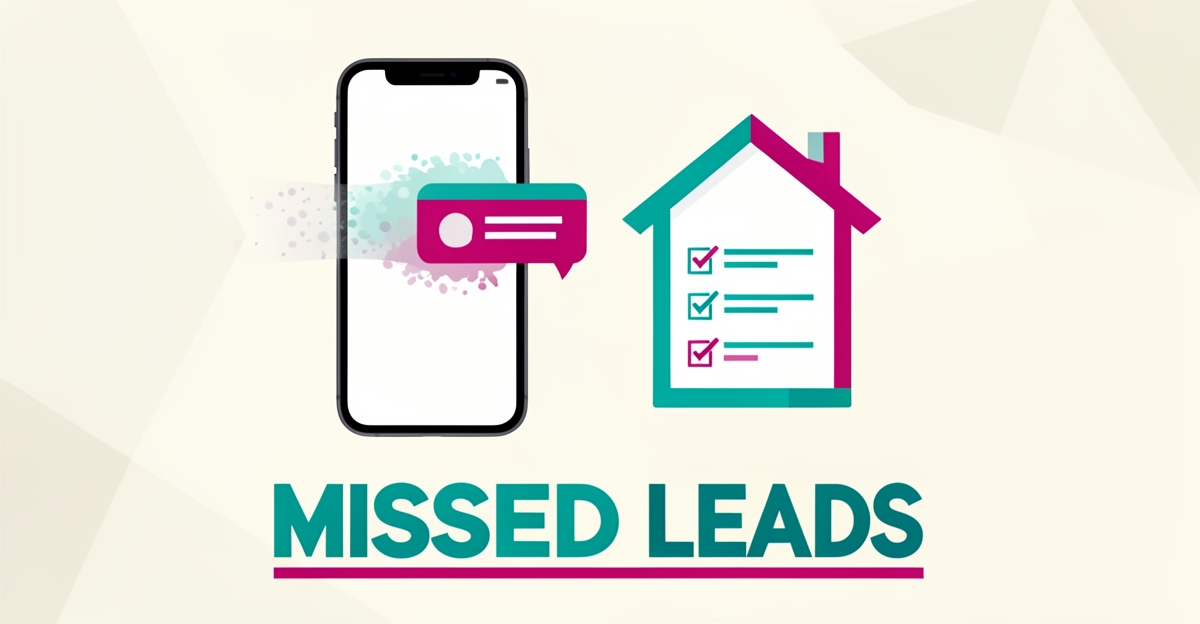
The Hidden Cost of Delayed Follow-Up: Energy Audit Leads at Risk
Energy audits deliver measurable results — households that adopt recommended modifications cut electricity use by 7% per square foot, with overall program reductions ranging from 4.7% to over 10%. Yet the industry faces a silent revenue leak: when a homeowner reaches out for an audit, the clock starts ticking. A high-quality audit is a 2-to-3-hour process conducted by certified professionals using blower door tests, combustion analysis, and insulation inspections. That level of rigor commands trust — but only if the firm responds before the homeowner's urgency fades.
Research from the University of Wyoming shows that efficiency improvements drive adoption more than financial incentives. Homeowners act when they see tangible savings potential, not just rebate programs. Yet many firms still rely on manual callbacks that take hours or days. By then, the homeowner has moved on — or worse, called a competitor who answered instantly.
The cost of that delay compounds. Each missed inquiry represents a few hundred dollars in audit fees, yes — but also the lifetime value of a homeowner who proceeds to insulation upgrades, heat pump installations, or whole-home electrification. In a year the industry calls transformational due to Building Performance Standards and Inflation Reduction Act funding, the firms capturing leads fastest will claim the largest share of that growth.
- Homeowners who adopt audit recommendations see 7% electricity reduction per square foot
- Certified audits require blower door tests, combustion analysis, and prioritized top 3–5 improvements
- Adoption is driven primarily by anticipated efficiency gains, not co-funding offers
- Industry transformation in 2024 is accelerating demand for qualified auditors
AI Business Sites works with energy auditing firms to close this gap. When a lead comes in — whether by phone, web form, or chat — an AI assistant responds instantly with personalized follow-up, asks qualifying questions, and books the audit on the calendar. No hold music. No missed calls. No leads cooling off while someone checks voicemail. The audit itself still takes 2–3 hours of expert work. The follow-up should take seconds.
Science of Fast Follow-Up: Leveraging AI for Conversion
The gap between a homeowner's initial interest and a completed energy audit is where most firms lose revenue — not because the service lacks value, but because the follow-up never happens fast enough. Research shows households that act on audit recommendations cut electricity use by 7% per square foot, with overall program reductions reaching 4.7–10% depending on the measurement method. That translates to real savings homeowners can feel in their monthly bills, yet behavioral barriers like trust gaps and perceived cost still stop many from moving forward after the audit itself.
- AI voice agents answer every call instantly — no hold music, no voicemail, no missed opportunities
- Automated follow-up sequences engage leads within hours, not days, using the business's actual audit credentials and savings data
- Instant booking and qualification happen on the first conversation, not after three phone tags
- Every interaction feeds a unified pipeline so nothing falls through the cracks
The technology behind this isn't theoretical. Industry experts identify AI as a crucial driver for energy efficiency market transformation in 2024, particularly as Building Performance Standards and Inflation Reduction Act funding accelerate adoption. Firms that pair certified, 2–3 hour audits — complete with blower door testing, combustion safety checks, and prioritized recommendations — with AI-powered response systems position themselves at the intersection of technical rigor and operational speed. The audit proves the value; the follow-up captures it.
Local business: doing this the old way?
One system replaces the whole pile.
All of it — the website, the follow-up, the content, the leads — built and run for you for $1,497 + $497/mo. Month-to-month, and you own everything.
See what your build includesImplementing Effective AI-Driven Lead Recovery Strategies
The first 24 hours after an energy audit inquiry are critical—every minute of delay increases the chance a prospect moves on. Research shows households that adopt recommended modifications see a 7% electricity reduction per square foot, with overall program savings ranging from 4.7% to >10% . These aren’t just small savings; they represent real dollars homeowners can verify on their utility bills. Yet, many firms still rely on manual follow-ups that arrive too late—or not at all.
An AI-driven lead recovery system changes that by turning inquiries into booked audits within hours. Instead of waiting for a staff member to dial back, an AI voice agent can call prospects automatically, ask qualifying questions based on audit standards, and schedule appointments at the optimal time. This isn’t just faster—it’s consistent. While the industry lacks hard benchmarks for lead loss, the high stakes of energy audits (a 2–3 hour process costing "a few hundred dollars" with incentives available ) make rapid engagement essential . Firms that automate follow-up aren’t just reducing missed calls; they’re protecting revenue tied to measurable efficiency gains.
To put this into practice, start with these core steps:
- Deploy an AI voice agent that answers calls 24/7 and captures leads missed during business hours
- Use a callback script grounded in technical audit standards—blower door tests, combustion safety checks, and prioritized recommendations—to build trust during the first conversation
- Set up automated email sequences that reference specific efficiency improvements (e.g., "Your audit showed 7% reduction potential—here’s what that means in your home") rather than generic incentives
- Integrate scheduling into every interaction so prospects can book appointments immediately, matching the "direct-to-customer" e-commerce trend reshaping the industry
- Track conversion metrics internally—response time, booking rate, and audit completion rate—to refine your system over time
The goal isn’t just to recover lost leads; it’s to align your follow-up with the industry’s shift toward AI-driven optimization and climate-conscious decision-making . Firms that automate their recovery process today won’t just capture more leads—they’ll position themselves as leaders in a transforming market.
Frequently Asked Questions
How quickly should energy auditing firms respond to a homeowner's inquiry to avoid losing the lead?
What’s the real financial impact of a missed energy audit lead?
Do financial incentives like rebates drive homeowner adoption more than energy savings from an audit?
What makes a high-quality energy audit worth the investment?
Can AI really handle energy audit inquiries better than a human?
Is it worth automating follow-ups if my firm already calls leads manually?
Turn Energy Audit Inquiries into Revenue Before the Clock Runs Out
Energy audits deliver real, measurable results—households that act on recommendations cut electricity use by 7% per square foot, with overall program savings reaching double digits. Yet too many firms watch potential revenue slip away in the critical gap between inquiry and response. When a homeowner raises their hand for an audit, urgency peaks at the moment of contact. A certified audit is a rigorous 2-to-3-hour process, and every minute of delay increases the chance a prospect moves on—or calls a competitor who answered instantly. The solution isn’t just faster human callbacks; it’s an AI voice agent that answers calls 24/7, qualifies leads using your actual audit standards, and schedules appointments on the spot—no hold music, no voicemail, no lost opportunities. If your website or phone system can’t respond in seconds, you’re already leaving revenue on the table. The good news? With the right system in place, your website can handle the busywork so you don’t have to.
FOR local businesss — BUILT AND RUN BY US
Your website. Your content. Your leads. Your data.
$500 starts your build. Seven days later it's live — chat, booking, follow-up, and your Google presence all set up. Then we run it, every month. You do the work you actually get paid for.