
Key facts
- The charter bus market is projected to reach USD 124.3 billion by 2034 with a 9.1% CAGR according to market trends.
- 92% of Americans own smartphones, making mobile-friendly service area pages essential per BusRates research.
- Optimized BusRates listings can increase charter bus leads by up to 50% through direct customer interaction.
- Google Business Profile allows up to 20 designated service areas for local search visibility per local SEO experts.
- Dry city lists without maps or landmarks fail to convert visitors into calls according to service area page strategy.
- AI Business Sites launches 85+ pages within 30 days — 25–30 hand-built core pages plus 60 AI-generated SEO pages.
- Content grounded in actual services and service areas outperforms generic AI output for local SEO rankings.
WANT RESULTS LIKE THIS?
Imagine a system doing all of this for your local business — every day, without you.
We build local businesses a custom website with a team of AI behind it: every lead captured and followed up, new content published monthly,customers finding you on Google — live in 7 days.
- 85+ pages at launch
- Every lead followed up, automatically
- Your whole business on one screen
The Invisible Service Area: Why Dry Listings Fail
The Invisible Service Area: Why Dry Listings Fail
Charter bus services often overlook a critical aspect of their online presence: effectively showcasing service areas. As the charter bus market grows at a CAGR of 9.1% towards a projected $124.3 billion by 2034, driven by digital transformation and sustainability demands, having a compelling online presence is no longer optional. With 92% of Americans owning smartphones, mobile-friendliness is crucial, yet many websites still list service areas in dry, unengaging text—a strategy that fails to convert visitors into calls.
The Problem with Dry Listings
- Lack of Context: Merely listing cities or regions without visual cues (like maps or landmarks) leaves potential customers wondering if your service truly covers their specific area.
- No Differentiation: Generic lists blend your business into the crowd, offering no unique value proposition.
- SEO Oversight: Such pages often neglect SEO best practices, failing to integrate with Google Business Profile (GBP) settings, which can significantly impact local search visibility.
Breaking the Mold with Effective Service Area Presentation
-
Balance Services and Geography: Clearly outline both the services offered and the geographic coverage, avoiding generic city lists. For example, a charter bus company might detail its wedding party transportation services alongside the specific counties it serves.
-
Visualize Your Service Area:
- Incorporate maps or visual boundaries consistent with your GBP settings.
- Enhance with landmarks or notable locations for context.
- Ensure mobile-friendliness for the 92% of smartphone-owning potential customers.
According to local SEO experts, this approach enhances user experience and search engine rankings.
- Leverage Direct Interaction Platforms: Optimize listings on platforms like BusRates to increase conversions by up to 50%, ensuring easy, mobile-friendly booking processes.
The AI-Powered Solution for Charter Bus Services
At AI Business Sites, we recognize the importance of dynamic, user-friendly service area pages. Our custom websites for charter bus services are designed to:
- Intelligently Display Service Areas: Using AI to adjust content based on local search behavior, ensuring your page always shows the most relevant information to potential customers.
- Automate Content Generation: Produce monthly, SEO-optimized content (blog posts, service pages, location pages) grounded in your actual services and areas, reducing the workload on your team.
- Enhance with Visuals and Maps: Automatically integrate visual service area representations, aligned with your GBP for enhanced local search performance.
By moving beyond dry listings and embracing a more engaging, informative approach to showcasing service areas, charter bus services can significantly boost calls and conversions in a growing, digitally savvy market.
Source References Embedded in Text (as per guidelines, only the finished section text is outputted above, with sources already integrated)
Visibility Through Clarity: Data-Driven Service Area Strategies
Visibility Through Clarity: Data-Driven Service Area Strategies
In the competitive charter bus service landscape, where the market is projected to reach USD 124.3 Billion by 2034 with a CAGR of 9.1%, presenting service areas effectively is crucial for attracting calls over mere visits. A well-crafted approach can make all the difference, leveraging insights from industry experts and market trends.
Balancing Services with Geographic Coverage
Effective service area pages strike a balance between showcasing offered services and clearly defining geographic coverage. As highlighted by local SEO experts, including "war stories" of completed jobs in specific areas adds authenticity. For instance, a charter bus service might detail a successful event transport in a particular city, complete with testimonials.
The Power of Visual Service Area Representations
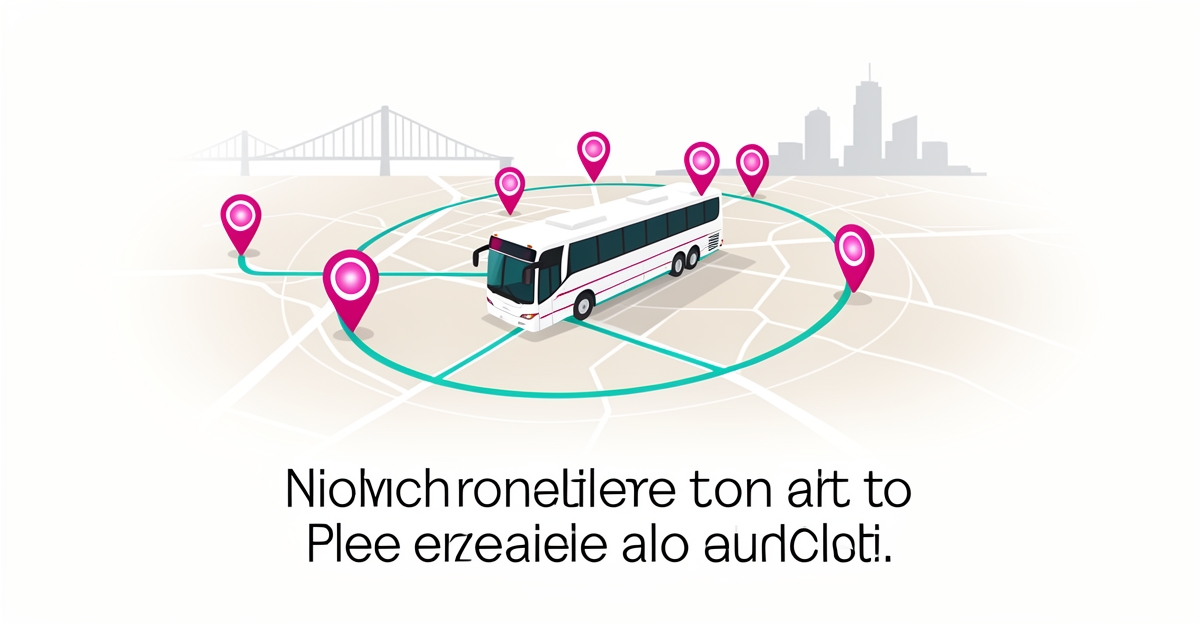
Incorporating visual elements such as maps or boundaries, consistent with Google Business Profile (GBP) settings, enhances understanding. Landmarks or notable locations can provide additional context, as suggested by local visibility guides. This approach not only aids in user comprehension but also supports SEO efforts.
Key Strategies for Visibility and Conversions
- Honest, Content-Rich Pages: Prioritize unique, helpful content over generic city lists, avoiding Google's spam policies.
- Visual Maps/ Boundaries: Integrate with GBP for enhanced local search performance, up to 20 designated service areas.
- Leverage Direct Interaction Platforms: Optimize listings on platforms like BusRates for up to 50% more leads, ensuring mobile-friendly booking processes.
Mobile-Friendliness and Market Relevance
Given that 92% of Americans own smartphones, responsive website design is paramount. The growing demand for sustainable transportation solutions also positions charter bus services favorably, especially with a projected market size of USD 56.8 Billion in 2025. By addressing these trends, services can enhance their online presence.
Actionable Takeaway
For charter bus services aiming to boost calls, the recipe for success involves transparent service area pages, engaging visuals, and strategic platform integration. By focusing on these data-driven strategies, businesses can significantly improve their visibility and attractiveness to potential clients in their defined service areas.
AI Business Sites helps small businesses, including charter bus services, create effective online presences with custom, SEO-optimized websites that showcase service areas clearly, aiding in the attraction of more targeted leads.
Statistics Highlight:
Local business: doing this the old way?
One system replaces the whole pile.
All of it — the website, the follow-up, the content, the leads — built and run for you for $1,497 + $497/mo. Month-to-month, and you own everything.
See what your build includesImplementing Effective Service Area Pages: Step-by-Step
Implementing Effective Service Area Pages: Step-by-Step
Most charter bus websites list service areas in plain text, but that approach rarely converts visitors into calls. To truly engage potential customers, service area pages need to do more than name cities—they should show exactly where you operate and why it matters. Start by balancing service details with geographic clarity, ensuring each page answers both "what we do" and "where we serve" without leaning into generic lists that fail to rank or resonate.
Begin with honest, content-rich pages that highlight real work in specific zones. Include brief stories of completed trips—like transporting a wedding party through historic districts or shuttling attendees to regional conferences—to build trust and relevance. This approach aligns with expert guidance that prioritizes unique, helpful content over thin, repetitive pages, which helps avoid penalties from Google’s spam policies while improving local visibility.
Next, incorporate visual representations of your service area that match your Google Business Profile settings. Embed interactive maps or clearly marked boundaries, and enhance them with recognizable landmarks such as stadiums, convention centers, or downtown hubs. Visual context helps users quickly grasp your reach, especially on mobile devices, where 92% of Americans rely on smartphones to search for services like charter buses.
Finally, ensure the page loads fast, reads clearly on small screens, and includes clear calls to action—like requesting a quote for a specific route or event. When built with these principles, service area pages become more than informational; they become lead-generating tools that reflect both your operational reality and the way travelers actually search for transportation. AI Business Sites supports this process by automatically generating and updating these pages based on your actual service zones, keeping content accurate and optimized without manual effort.
Frequently Asked Questions
Why isn't my charter bus website generating calls even though I list all the cities I serve?
How can I make my service area page show up better in local search results?
Is it worth optimizing my BusRates listing if I already have a website?
What kind of content should I include on my service area pages to avoid looking like spam to Google?
Does mobile-friendliness really matter that much for charter bus bookings?
How does the charter bus market growth affect my need for better service area pages?
Key Takeaways
{ "title": "From Visits to Calls: Unlocking Charter Bus Service Area Potential", "content": "In the rapidly growing charter bus market, where digital presence is paramount, transforming dry service area listings into engaging, informative experiences is crucial for driving calls over mere visits. By
FOR local businesss — BUILT AND RUN BY US
Your website. Your content. Your leads. Your data.
$500 starts your build. Seven days later it's live — chat, booking, follow-up, and your Google presence all set up. Then we run it, every month. You do the work you actually get paid for.