
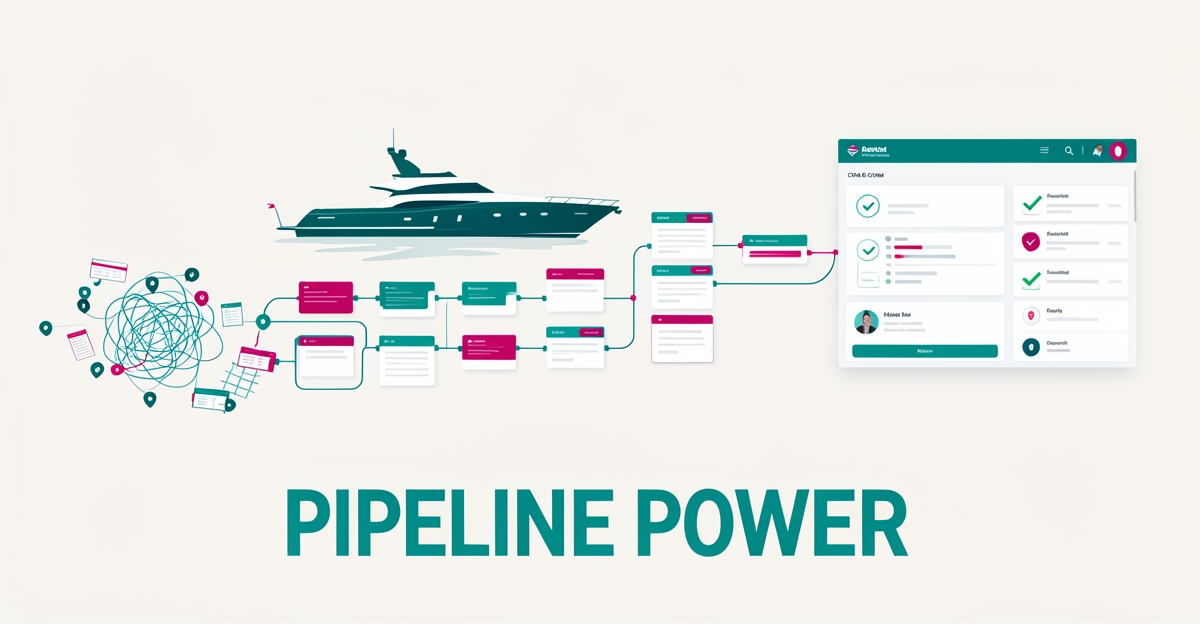
Key facts
- The U.S. marine industry generated $57.7 billion in annual sales in 2023 per industry statistics
- 57% of dealership staff now use AI tools to streamline operations according to automotive industry surveys
- New and first-time boat buyers surged between 2020 and 2022 based on U.S. marine industry data
- Spreadsheets scatter data across files, emails, and sticky notes, preventing real-time pipeline visibility per marine industry analysis
- AI-powered systems can analyze inbound communications to identify high-intent buyers as seen in automotive dealership applications
- Centralized CRM systems strengthen relationships and protect profit margins through consistent outreach per marine retail trade association guidance
- Automated follow-ups ensure leads are engaged promptly, reducing lost sales to competitors based on marine startup CRM recommendations
WANT RESULTS LIKE THIS?
Imagine a system doing all of this for your local business — every day, without you.
We build local businesses a custom website with a team of AI behind it: every lead captured and followed up, new content published monthly,customers finding you on Google — live in 7 days.
- 85+ pages at launch
- Every lead followed up, automatically
- Your whole business on one screen
Why Spreadsheets Are Costing Your Marine Dealership Sales
For marine dealerships chasing growth, a spreadsheet might seem like a simple way to track prospects—but simplicity rarely drives sales. The U.S. marine industry hit $57.7 billion in annual sales in 2023, yet dealerships still lose deals to inefficiency, not competition. Tracking boat buyers in spreadsheets creates invisible cracks in your pipeline, where leads slip through unnoticed and follow-ups arrive days too late. Even in slower seasons, smart dealers protect margins by keeping communication seamless and organized. The MRAA highlights that CRM systems strengthen relationships through consistent outreach, while Yachting Ventures warns that spreadsheet-based tracking is inefficient and risky for marine startups.
The cost of disorganization isn’t just missed calls—it’s compounding errors that erode profits. Spreadsheets fracture data across files, emails, and sticky notes, making it impossible to see who needs attention now. Sales teams waste hours manually updating entries instead of selling. Follow-ups get delayed or forgotten entirely, and important details about a buyer’s interests or budget get buried in a cell. These inefficiencies aren’t hypothetical: marine dealerships operate in a market where new and first-time buyers surged between 2020 and 2022. With so many prospects entering the market, every missed connection represents lost revenue.
- Missed follow-ups: Tracking prospects in spreadsheets creates silos where leads fall through the cracks during busy periods.
- Data silos: Spreadsheets scatter information across devices and files, preventing real-time visibility into pipeline health.
- Delayed responses: Manual entry slows lead response times, giving competitors the edge in a market where 57% of dealership staff now use AI tools to streamline operations.
- Lost revenue: Without centralized tracking, high-intent buyers slip away between desk visits and boat shows.
For marine dealerships serious about growth, the solution isn’t more spreadsheets—it’s a system that works while you focus on sales. Platforms like AI Business Sites centralize every lead, call, and email in one place, so your team always knows who to contact and when. Instead of chasing data, your sales process runs itself, turning scattered spreadsheets into a predictable pipeline that fuels profit.
How Centralized, Automated Pipelines Solve Marine Sales Challenges
How Centralized, Automated Pipelines Solve Marine Sales Challenges
In the thriving U.S. marine industry, with annual sales of boats, marine products, and services estimated at $57.7 billion in 2023, dealerships face a critical challenge: inefficient lead management. Tracking boat prospects in spreadsheets is a risky, outdated approach, prone to errors and delays. A centralized, automated sales pipeline addresses these challenges head-on, ensuring sales teams always know exactly who to call and when.
The Power of Centralization and Automation
- Instant Lead Response: Automated pipelines respond to leads instantly, a crucial factor since prompt follow-ups significantly improve conversion rates. According to industry insights, AI-powered systems can analyze inbound communications to identify high-intent buyers, prioritizing follow-ups for maximum impact (as seen in automotive dealerships, where 57% of staff now leverage AI tools) .
- Prioritizing High-Intent Buyers: AI-driven CRMs, like those recommended for early-stage marine startups , can sift through leads, highlighting those ready to purchase. This proactive approach mirrors the success seen in automotive, where AI tools streamline operations and capture leads more effectively .
- Seasonal Visibility: For marine dealerships, which often face off-peak months, centralized systems maintain pipeline visibility, ensuring no opportunity slips through the cracks. Platforms like HubSpot and Folk, suggested by Yachting Ventures , help dealerships stay connected with customers during these periods.
Key Benefits for Marine Dealerships
- Reduced Response Times: Automated follow-ups ensure leads are engaged promptly, reducing the likelihood of losing potential sales to competitors.
- Enhanced Pipeline Visibility: Real-time tracking helps identify bottlenecks and inform data-driven decisions.
- Personalized Engagement: AI can tailor responses based on lead behavior and preferences, enhancing the buyer experience.
Embracing the Solution
The shift to a centralized, automated pipeline is not just a technical upgrade but a strategic move to protect profit margins through improved customer communication, as emphasized by industry experts . For marine dealerships, selecting a CRM with AI-powered automation capabilities is crucial. Platforms that integrate seamlessly with existing workflows, offer marine-specific customizations, and provide seasonal adaptability will yield the most benefits.
By adopting such solutions, marine dealerships can mirror the success of their automotive counterparts, where AI adoption has streamlined operations and improved lead capture. As the industry continues to grow, with a notable influx of new buyers between 2020-2022 , the need for organized, tech-driven sales strategies has never been more pressing.
Automotive AI Adoption Insights
Marine CRM Recommendations
CRM for Margin Protection in Marine
U.S. Marine Industry Statistics
Local business: doing this the old way?
One system replaces the whole pile.
All of it — the website, the follow-up, the content, the leads — built and run for you for $1,497 + $497/mo. Month-to-month, and you own everything.
See what your build includesImplementing an AI-Powered Pipeline Without Disrupting Your Sales Process
The spreadsheet is a silent sales killer. For marine dealerships juggling seasonal demand and high-value inventory, manual tracking creates dangerous blind spots where leads slip through the cracks. Research confirms that spreadsheet-based prospect tracking is inefficient and risky, directly undermining a sales team’s ability to know exactly who to call and when according to industry analysis. With $57.7 billion in annual U.S. marine sales representing a major opportunity per recent industry statistics, the cost of disorganization isn’t just missed calls—it’s lost revenue during critical buying windows.
Implementing an AI-powered pipeline doesn’t require overhauling your sales process—it enhances it. The AI Business Sites platform integrates CRM, visual automation, and an AI assistant directly into your custom website, eliminating tool sprawl while keeping data ownership intact. Leads from web forms, phone calls, or chat automatically funnel into a centralized system where they’re tagged, scored, and routed without manual input. This setup ensures your team spends time selling, not administrating, with the AI handling routine follow-ups and pipeline updates behind the scenes.
Start by mapping your current sales stages into the platform’s visual Kanban builder—no coding needed. Use pre-built templates like “New Lead Welcome Sequence” to automate initial responses, then customize triggers based on marine-specific behaviors such as boat model inquiries or seasonal browsing patterns. The AI assistant analyzes inbound communications to flag high-intent buyers, helping prioritize follow-ups during peak seasons mirroring proven automotive dealership trends where 57% of staff now use AI tools for lead capture and streamlined operations. Set up automated nurture sequences for longer-cycle prospects, ensuring no lead goes cold during off-peak months.
Finally, enable real-time pipeline visibility through shared dashboards and activity timelines. Every touchpoint—call, email, or proposal view—is logged per contact, giving managers instant insight into deal health without interrupting reps. Alerts trigger only when human judgment is needed, such as stalled negotiations or approval requests, keeping the team focused on closing boats. By owning your data within a single platform that grows with your business, you avoid the fragmentation of spreadsheets and standalone tools—turning pipeline management into a competitive advantage rather than a constant chore.
Frequently Asked Questions
Why should I stop using spreadsheets to track boat sales leads?
What’s the biggest risk of using spreadsheets for my marine dealership’s sales pipeline?
How can a CRM system help my dealership during slower seasons?
Can AI really prioritize my best boat-buying leads for me?
Is it hard to switch from spreadsheets to a CRM system?
What’s the real cost of disorganization in my marine dealership’s sales process?
Will a CRM actually save me time, or is it just more software to manage?
Turn Your Pipeline into a Profit Engine: The Marine Dealership’s Guide to Smarter Sales
The marine industry’s $57.7 billion market represents a golden opportunity, but only for dealerships that organize their sales pipeline effectively. Tracking prospects in spreadsheets isn’t just outdated—it’s a silent revenue killer. When leads are scattered across files and follow-ups arrive days too late, even the most promising deals slip through the cracks. The good news? A centralized, automated pipeline transforms chaos into clarity, ensuring your team always knows who to call and when. With AI-powered systems prioritizing high-intent buyers and delivering instant responses, you’re not just keeping up—you’re staying ahead. The choice is clear: stick with the inefficiencies of spreadsheets or embrace a system that works as hard as you do. For marine dealerships ready to protect margins and capitalize on every opportunity, the next step is simple—explore how an AI-powered platform can centralize your leads and automate the busywork, so you can focus on what matters most: closing sales.
FOR local businesss — BUILT AND RUN BY US
Your website. Your content. Your leads. Your data.
$500 starts your build. Seven days later it's live — chat, booking, follow-up, and your Google presence all set up. Then we run it, every month. You do the work you actually get paid for.