
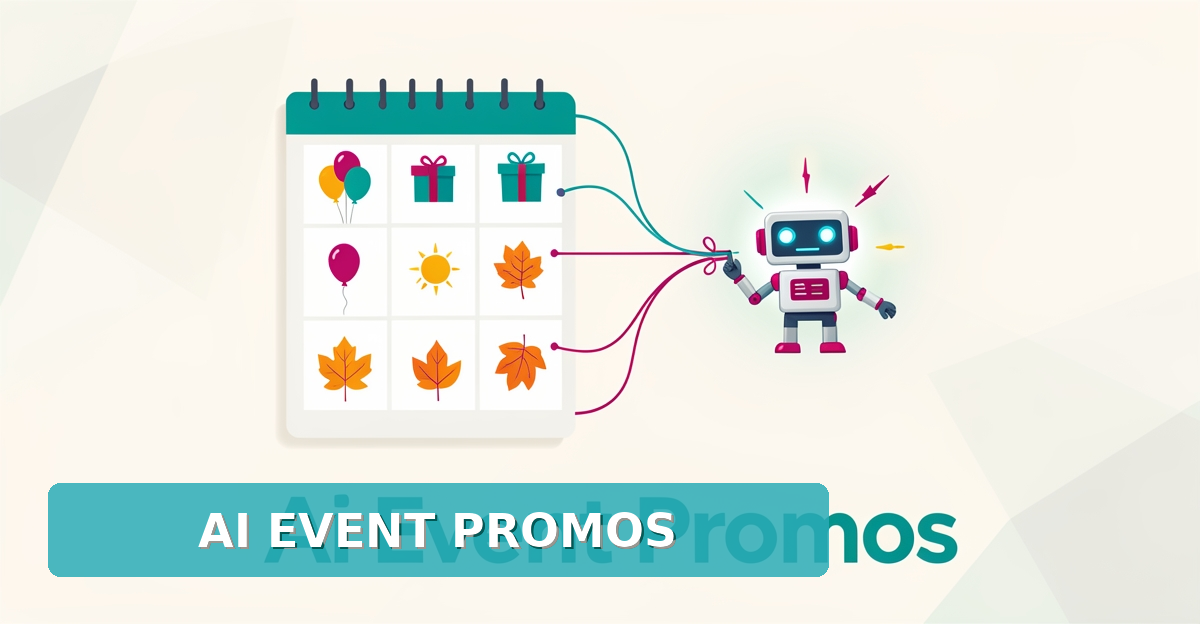
Key facts
- AI automation can save family centers 8–27 hours weekly on social media tasks according to industry research
- Apaya’s platform generates 500+ unique, on-brand posts monthly across 10+ channels based on platform data
- SocialBee users report saving 8 hours per week through AI-driven social media automation per user reports
- Annual cost savings from AI automation exceed $34,000 compared to agency retainersus='https://apaya.com/blog/ai-social-media-automation-guide'>vs. agency or in-house social managers
- AI tools learn brand voice from a website in under five minutes to ensure authentic content via automated crawling
- Family centers can pilot AI event promos with free trials or plans starting at $29/month for low-risk testing
- Hybrid AI-human models let staff review and personalize posts while AI handles drafting and scheduling to maintain authenticity
WANT RESULTS LIKE THIS?
Imagine a system doing all of this for your local business — every day, without you.
We build local businesses a custom website with a team of AI behind it: every lead captured and followed up, new content published monthly,customers finding you on Google — live in 7 days.
- 85+ pages at launch
- Every lead followed up, automatically
- Your whole business on one screen
The Real Cost of Manual Event Promotion for Family Centers
Most family centers know the rhythm: summer scavenger hunts in June, holiday parties in December, seasonal workshops every month in between. The events themselves build community — but promoting them manually eats the very time staff need to actually run them. Research shows manual social media work consumes 8–27 hours weekly and is consistently the first task dropped during busy periods. One founder described it as "a black hole for time, a constant distraction" that kept him from closing deals while competitors pulled ahead.
- Writing unique captions for Facebook, Instagram, and email newsletters every week
- Resizing graphics for each platform's specifications
- Scheduling posts at optimal times across 10+ channels
- Tracking which promotions actually drove registrations
The inconsistency compounds the problem. A holiday party promo gets polished attention in November; the January workshop announcement goes out late — or not at all. SocialBee users report saving 8 hours per week by automating this cycle, while Apaya's platform averages 27 hours weekly in time savings. That's not just efficiency — it's the difference between a staff member greeting families at the door versus staring at a content calendar.
AI Business Sites builds websites that handle this promotion cycle automatically. The AI content engine researches local trends and family calendars, generates tailored seasonal promotions, and publishes them across your website and social channels — no manual input required. Your team stays focused on community engagement while the website keeps the calendar full.
What AI Actually Does Differently for Seasonal Event Promos
Most event promotion tools stop at scheduling — they push out whatever you wrote last week. AI automation works differently: it generates fresh, on-brand promotions from local trends and family calendars, then publishes them across every channel automatically. That shift from distribution to creation changes what's possible for seasonal events like summer scavenger hunts or holiday parties.
The difference shows up in volume and specificity. Traditional schedulers recycle the same assets. AI systems like Apaya can produce 500+ unique, on-brand posts per month across 10+ platforms, each adapted to the platform's format and audience. SocialBee users report saving 8 hours weekly on social media management, while Apaya's data shows an average of 27 hours reclaimed per week — time that goes back to strategy and community engagement rather than manual posting.
Brand consistency doesn't happen by accident. The platform crawls your website in about five minutes, extracting visual assets, language patterns, and messaging pillars so every generated post sounds like you. This brand-learning approach addresses the biggest risk of AI content: generic, robotic output that erodes trust with local families. Instead, promotions for a back-to-school bash or winter craft fair carry your actual voice, grounded in the services and calendar events already on your site.
- Seasonal event promos generated from local trends and family calendars — not recycled templates
- Automatic adaptation for each platform's format, hashtags, and character limits
- Cross-platform publishing to 10+ channels including Facebook and Instagram
- Brand voice learned directly from your website in minutes
- Human-in-the-loop approval so nothing publishes without your sign-off
AI Business Sites builds this capability into every custom website, so the same system that captures leads and manages projects also keeps your event calendar visible and engaging across the web. The content engine researches, writes, and publishes monthly — blog posts, service pages, and seasonal promos — all linked automatically to build the topical authority Google rewards.
Measuring the Trade-Off: Time Saved vs. Personal Touch
Running a family center’s seasonal promotions—summer scavenger hunts, holiday parties, local maker fairs—feels like adding one more full-time job on top of already stretched staff. Yet AI tools promise to cut that workload by 8–27 hours a week while keeping calendars full. That’s the trade-off: hours reclaimed vs. the fear that every automated post will sound generic instead of rooted in community spirit. The data suggests the balance can tip in favor of automation, but only when humans stay in the driver’s seat.
Family centers that switch to AI-driven event promos report saving anywhere from 8 hours a week to 27 hours, with annual cost savings climbing past $34,000 when compared to agency retainers or in-house social managers. Behind those numbers sits a reality most automation tools gloss over: the risk of losing the warmth that makes a family center feel like family. A summer scavenger hunt promo written by a bot without a local touch can read like a mass blast, not an invitation to neighbors. That disconnect erodes trust faster than a missed RSVP.
The solution isn’t all-or-nothing automation. A hybrid model keeps authenticity alive by letting staff review and personalize seasonal posts before they go live, while the AI handles the heavy lifting: drafting, scheduling, and adapting captions for each platform automatically. With tools that learn a center’s brand voice from its own website in under five minutes, the risk of generic messaging shrinks—every scavenger hunt flyer, holiday party invite, or maker fair teaser can still feel handcrafted even when it’s machine-assisted.
- Staff set the seasonal themes and local calendar cues that the AI folds into every draft.
- The AI flags when a promo needs human tweaks—tone too flat, date off by a day, tone-deaf to local slang.
- Approved posts fan out across Facebook, Instagram, and Nextdoor without a second click, while analytics track which events draw the biggest crowds.
- Automated follow-ups keep the conversation going—thank-you notes after sign-ups, gentle nudges when RSVPs lag, even birthday shout-outs to volunteers.
For family centers wary of sounding robotic, the middle path is clear: let the AI handle the routine so staff can focus on the moments that matter. The calendar stays full, the voice stays human, and the trade-off ends up in the black.
Local business: doing this the old way?
One system replaces the whole pile.
All of it — the website, the follow-up, the content, the leads — built and run for you for $1,497 + $497/mo. Month-to-month, and you own everything.
See what your build includesHow to Pilot AI Promos Without Overcommitting
When testing AI for event promotions, the safest way to start is with a single seasonal event type—like holiday parties or summer scavenger hunts—rather than overhauling all your marketing at once. This approach lets you measure real-world results without risking your core brand voice or community engagement. Research shows AI tools can reduce manual effort by up to 27 hours per week, but small-scale testing ensures you validate the fit before scaling.
Choose a platform with a low-risk entry point: free trials (3 days), free or low-cost tiers ($29–$37/month), and minimal setup. Many tools offer quick onboarding (15 minutes) and daily maintenance under 5 minutes, so you can assess compatibility without disrupting your workflow. For example, Apaya’s 3-day roadmap includes template customization in 15–20 minutes and just 5 minutes of daily adjustments afterward.
To compare AI against your manual efforts:
- Set up a parallel timeline for one event type—manually drafting promotions for some posts while letting AI generate others.
- Track engagement metrics: clicks, shares, event sign-ups, and attendee feedback for both versions.
- Use built-in analytics to spot which posts perform better, and adjust AI prompts or settings accordingly.
- After two to three events, decide whether to expand AI use to additional seasonal types or refine your approach.
If the AI-generated content resonates with your audience, you can scale up with confidence. Platforms like SocialBee and Gumloop support automated publishing across 10+ social channels, freeing your team to focus on community connections rather than repetitive posting. For family centers, this means more time for in-person engagement with families while your website and social channels stay active—without the burnout of manually creating every seasonal promo.
Where This Fits in a Website That Runs Your Marketing
Here is the written section based on the provided guidelines and research data:
The Integration of AI Event Promos in a Self-Running Website Ecosystem
Imagine a website that not only hosts your family center's event promotions but also generates, publishes, and distributes them across social channels and newsletters without manual input. This isn't just a website; it's a marketing ecosystem designed to run itself. For family centers considering AI for event promos, this capability is just one facet of a broader, automated marketing solution.
Where AI Event Promos Fit
AI-powered event promotion is a key outcome of a website built to handle ongoing marketing tasks. This ecosystem automatically:
- Generates seasonal event promotions (e.g., summer scavenger hunts) based on local trends and family calendars.
- Posts content to the website and social channels simultaneously.
- Feeds promotions into newsletters with zero manual effort.
According to Apaya's insights, AI can save family centers between 8 to 27 hours weekly, redirecting staff focus from mundane tasks to strategic engagement. For instance, SocialBee users report saving 8 hours per week, while Apaya highlights an average saving of 27 hours, illustrating the potential for significant time reduction.
The Bigger Picture: A Website That Runs Your Marketing
AI Business Sites crafts websites that are more than just online presences—they're operational hubs. Key integrated features include:
- Automated Content Creation: Monthly event promos and blog posts generated based on your services and local SEO needs.
- Unified Platform: Combines website, CRM, automation, content generation, and project management, replacing up to 10 separate tools.
- Ownership and Control: You own the code, content, data, and domain, with no lock-in.
As Copy.ai notes, AI transforms event marketing by introducing intelligence that enhances decision-making and personalization. This aligns with the capabilities of AI Business Sites, where the website's AI assistant can generate content, manage projects, and even produce media, all while maintaining brand authenticity through human oversight.
Making the Case for AI-Driven Event Promos
- Cost-Effective: Entry points start as low as $29/month (e.g., SocialBee's Bootstrap plan), with annual plans offering up to 16% savings.
- Scalability: Platforms like Apaya scale up to $749/month, accommodating growing needs.
- Brand Authenticity: AI tools learn your brand voice directly from your website, ensuring promotions feel personalized and authentic.
By integrating AI event promos into a self-running website ecosystem, family centers can achieve consistent community engagement, reduce operational burdens, and focus on what matters most—serving their community.
Frequently Asked Questions
How much time can AI actually save my family center on event promotions?
Will AI-generated posts sound robotic and lose our community's personal touch?
What's the difference between AI automation and regular scheduling tools like Buffer or Hootsuite?
How much does AI event promotion cost compared to hiring an agency or in-house manager?
Can I test AI for just one event type before committing to full automation?
How does AI know about local family calendars and trends for our specific community?
Turn Seasonal Promos Into a Hands-Off Community-Building Machine
Manual event promotion for family centers isn’t just time-consuming — it’s a quiet drain on the human connections that make these centers thrive. The hours spent writing captions, resizing graphics, and chasing RSVPs across 10+ channels could instead be spent greeting families at the door, but most teams simply can’t afford that kind of focus. With AI tools like the ones behind AI Business Sites’ custom websites, family centers can reclaim 8–27 hours weekly — time that directly translates into more hands-on community engagement and a calendar that stays full without the burnout. The difference isn’t just efficiency; it’s consistency. AI doesn’t just post the same old flyer everywhere — it researches local trends, learns your brand voice in minutes, and generates fresh, platform-specific seasonal promotions that feel personal, not robotic. Start small: pilot AI-generated promos for one event type, compare engagement against your manual efforts, and scale once you see the results. For family centers ready to put time back where it belongs — with the people they serve — the path forward is clear: automate the routine, keep the warmth, and let your website do the heavy lifting of keeping the calendar full.
FOR local businesss — BUILT AND RUN BY US
Your website. Your content. Your leads. Your data.
$500 starts your build. Seven days later it's live — chat, booking, follow-up, and your Google presence all set up. Then we run it, every month. You do the work you actually get paid for.