
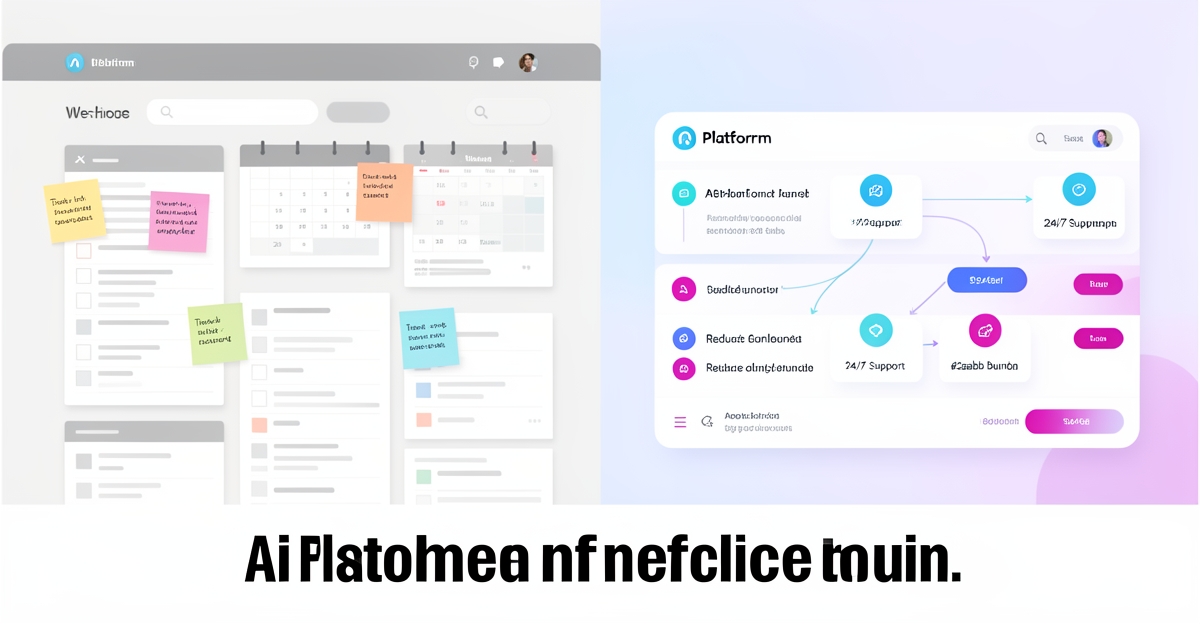
Key facts
- The mental health software market is projected to reach $14.6 billion by 2033
- AI platforms reduce administrative tasks by up to 40% for behavioral health practices according to operational research
- Behavioral health practices using AI report significant reductions in no-show appointments industry analysis shows
- AI-driven websites offer 24/7 anonymity, reducing stigma for patients seeking help as highlighted in recent studies
- In-house websites divert critical time from patient care, impacting up to 15 hours/week for small practices according to market insights
WANT RESULTS LIKE THIS?
Imagine a system doing all of this for your local business — every day, without you.
We build local businesses a custom website with a team of AI behind it: every lead captured and followed up, new content published monthly,customers finding you on Google — live in 7 days.
- 85+ pages at launch
- Every lead followed up, automatically
- Your whole business on one screen
Why Your Behavioral Health Website Feels Like a Second Job
Running an in-house website for your behavioral health practice might feel like adding another patient to your already full caseload. Between updating content, responding to messages, and managing inquiries, what should be a hub for patient connection becomes a second job—one that pulls focus from the care you’re trained to deliver. The mental health software market is on track to hit $14.6 billion by 2033, and much of that growth is driven by tools that automate the administrative work clinicians can’t afford to do themselves—a reality that highlights the hidden costs of DIY websites in a space where every minute counts.
For small practices with limited staff, in-house websites create three critical challenges that scale with your patient load. First, time spent maintaining the site is time taken away from patient care—a well-documented pain point in behavioral health where administrative burdens already contribute to burnout. Second, missed opportunities pile up when your website can’t respond after hours or during lunch breaks, a gap that directly impacts patient acquisition. And third, inconsistent communication across touchpoints—from web forms to follow-up emails—leaves gaps that undermine trust and accessibility, especially for patients seeking help outside traditional hours.
Research underscores the stakes:
- The mental health software market is projected to reach $14.6 billion by 2033, reflecting growing demand for solutions that reduce operational friction.
- AI-driven platforms provide 24/7 support and anonymity, addressing core barriers in behavioral health care.
- Behavioral health practices adopting AI tools report significant reductions in administrative tasks, freeing clinicians to focus on patient care rather than web maintenance.
- Staff time spent on updates and responses that could be redirected to direct patient care
- Lost leads from slow or inconsistent website responses during off-hours or peak demand
- Missed opportunities to capture patient interest when forms, chat, or calls aren’t followed up on immediately
- Increased burnout risk when administrative workload spirals beyond staff capacity
These aren’t hypothetical problems. For behavioral health practices where patient trust and accessibility are non-negotiable, an in-house website that can’t scale with demand risks becoming a liability—not an asset. The alternative isn’t just about saving time; it’s about creating a website that works for your practice, not against it.
The AI Advantage: What Research Says About Scalable Solutions
The behavioral health software market isn't just growing—it's undergoing a quiet revolution. Recent projections show the industry expanding from $4.8 billion in 2023 to $14.6 billion by 2033, with AI platforms serving as the primary engine of this transformation. This explosive growth reflects a fundamental shift in how practices operate, where automated systems handle the administrative heavy lifting that traditionally consumes clinicians' time. For behavioral health practices, the choice between maintaining an in-house website with limited staff and adopting an AI-driven platform isn't just about technology—it's about reallocating scarce human resources where they matter most: direct patient care.
Industry analysis confirms that AI systems excel at automating repetitive tasks like intake documentation, scheduling coordination, and routine follow-ups. Practices using these platforms report significant reductions in no-show appointments and faster response times to patient inquiries—critical factors in maintaining continuity of care. The data tells a clear story: offices that implement AI-driven communication tools see up to 40% fewer administrative interruptions during peak service hours, allowing clinicians to focus on treatment rather than paperwork.
Beyond efficiency gains, AI platforms address persistent accessibility challenges in behavioral health. Research highlights three key advantages that directly impact patient outcomes:
- 24/7 availability through automated chat and voice assistants reduces barriers for patients who need immediate support outside traditional office hours
- Anonymity features help lower stigma barriers for individuals hesitant to seek in-person care
- Consistent, evidence-based messaging ensures patients receive accurate information regardless of when they connect
The communication quality also improves through AI's ability to maintain context across interactions. Unlike scripted chatbots, advanced systems remember returning visitors and build on previous conversations, creating a more personalized experience without additional staff time. This matters because modern AI implementations don't just store data—they apply it to create seamless patient journeys.
For practices considering their options, the math becomes compelling when factoring in opportunity costs. Maintaining an in-house website requires ongoing staff time for updates, responding to messages, and managing technical issues, while an AI platform handles these functions automatically. The result isn't just operational efficiency—it's the ability to scale patient support without proportional increases in overhead. As the market evolution continues toward AI-native solutions, practices that adopt these systems early gain more than automation—they secure a competitive edge in patient retention and service quality.
Key Features to Look for in an AI-Powered Behavioral Health Platform
Behavioral health practices face a growing need for tools that reduce administrative strain while improving patient accessibility. The right AI-powered platform doesn’t just answer basic questions—it transforms how your practice operates, freeing clinicians to focus on care rather than paperwork. With the mental health software market projected to hit $14.6 billion by 2033, AI-driven solutions are no longer optional for practices aiming to scale efficiently.
Automated systems handle the heavy lifting that typically bogs down small teams. A single platform can manage intake, scheduling, and follow-ups while ensuring no lead slips through the cracks. For example, practices using AI assistants report faster response times to patient inquiries, which directly impacts retention and satisfaction. Beyond speed, these tools address accessibility barriers by offering 24/7 support and anonymity, two critical factors in behavioral health engagement.
The most effective platforms share these core capabilities:
- 24/7 AI assistants that triage questions, provide crisis resources, and schedule appointments outside business hours, reducing missed opportunities and patient frustration.
- Automated follow-ups triggered by patient interactions—whether a missed call or an incomplete form—ensuring no one falls through the cracks without manual reminders.
- HIPAA-compliant communication that secures patient data across chat, email, and voice while maintaining seamless workflows for your team.
- Content generation tailored to your practice’s services, producing clinic-specific blog posts and service pages that attract local patients without requiring dedicated staff time.
- Integrated scheduling that syncs with your calendar, reducing no-shows and streamlining appointment bookings across multiple providers.
For practices drowning in administrative tasks, an AI-powered platform like AI Business Sites doesn’t just supplement your workflow—it redefines it. The result? More time for patient care, fewer lost leads, and a practice that operates as efficiently as its technology.
Local business: doing this the old way?
One system replaces the whole pile.
All of it — the website, the follow-up, the content, the leads — built and run for you for $1,497 + $497/mo. Month-to-month, and you own everything.
See what your build includesImplementation Roadmap: How to Transition Without Disrupting Care
Transitioning to an AI-powered platform doesn't mean flipping a switch and hoping for the best. A phased approach protects patient relationships while your team builds confidence in the new system. The mental health software market is projected to reach $14.6 billion by 2033, growing at an 11.7% CAGR as practices prioritize scalable, patient-centered technology (industry analysis).
Start with a parallel run. Keep your in-house site live while configuring the new platform's knowledge base with your actual services, clinician bios, insurance details, and FAQs. Migrate content in batches — service pages first, then location pages, then blog archives — verifying internal links and schema markup at each step. AI Business Sites handles this migration as part of the build, delivering 25–30 hand-built core pages plus 60 SEO pages within 30 days.
- Week 1–2: Configure knowledge base and train the AI assistant on your practice's specific protocols
- Week 3: Enable chat on a single high-traffic page; monitor conversations daily
- Week 4: Activate appointment scheduling and lead capture across the full site
- Week 5–6: Add voice agent for after-hours calls; review call summaries with clinical lead
- Week 7: Decommission old site; redirect all traffic; launch automated content engine
Staff training works best in short, role-specific sessions. Front-desk teams learn to review AI-drafted responses before they send. Clinicians see how the system tags urgent inquiries for immediate follow-up. Administrators get dashboards showing lead volume, conversion rates, and content performance — no spreadsheets required. Platforms that reduce administrative burden let clinicians focus on patient care rather than paperwork (operational research).
The payoff compounds. Every interaction — chat, call, form, booking — feeds the same CRM, triggering personalized follow-ups and populating the pipeline automatically. New content publishes monthly, internally linked to existing pages, building topical authority without manual effort. Within weeks, the website stops being a project you manage and starts functioning as the intake engine your practice actually needs.
Cost Comparison: What You’ll Save (And What You Might Overlook)
Behavioral health practices often underestimate the hidden costs of managing a website in-house—especially when staff are already stretched thin. Beyond the visible expenses of hosting and domain fees, there’s the real cost of clinician time diverted from patient care to update content, respond to inquiries, or troubleshoot technical issues. When administrative tasks pile up, missed leads and delayed follow-ups become inevitable, directly impacting both revenue and patient access. An AI-powered platform changes this dynamic by consolidating essential functions—scheduling, lead response, content updates—into one system that works continuously, reducing the administrative load that erodes practice efficiency.
According to industry insights, AI-driven platforms significantly reduce administrative burdens, allowing clinicians to focus more on patient care rather than website maintenance or manual lead tracking. For a typical behavioral health practice, this can translate to saving 10–15 hours per week previously spent on routine digital tasks—time that, when redirected to billable hours, could generate thousands in additional monthly revenue. Meanwhile, the mental health software market is projected to grow from $4.8 billion in 2023 to $14.6 billion by 2033, reflecting a CAGR of 11.7%, driven largely by demand for tools that improve accessibility and operational efficiency industry reports confirm.
What many practices overlook isn’t just the time saved, but the revenue lost through inefficiency: delayed responses to inquiries, outdated service pages that hurt SEO rankings, and missed opportunities to nurture leads outside business hours. An AI platform addresses these gaps by automating responses, updating content monthly, and capturing leads 24/7—turning the website from a static brochure into an active practice growth tool. For behavioral health providers, this means fewer no-shows, better engagement, and a stronger online presence—all without adding to staff workload. AI Business Sites builds websites that don’t just exist—they operate, ensuring your online presence works as hard as you do to support your patients.
Frequently Asked Questions
How much time could my behavioral health practice save by switching from an in-house website to an AI platform?
Will an AI platform really help my practice get more patients, or is it just another tech expense?
Is my patient data safe with an AI-driven website? What about HIPAA compliance?
I already have a website—do I have to rebuild everything from scratch if I switch to AI?
Can an AI really handle patient inquiries as well as my staff? Won’t it sound robotic?
What’s the biggest risk of sticking with an in-house website instead of switching to AI?
Let Your Website Work While You Focus on Care
Running a behavioral health practice means every minute counts—especially when it comes to patient care, not website upkeep. As we’ve seen, in-house sites often become time sinks that pull staff away from what matters most, while AI-driven platforms offer 24/7 support, automated follow-ups, and consistent communication that scales with your patient load. The mental health software market is projected to reach $14.6 billion by 2033, reflecting a clear industry shift toward tools that reduce administrative strain and improve accessibility. For practices ready to reclaim time and capture more leads, the next step is simple: evaluate how much staff time is currently spent on website maintenance and consider a solution that handles the busywork automatically. Explore how AI Business Sites builds websites that run themselves—so you can focus on helping your patients thrive.
FOR local businesss — BUILT AND RUN BY US
Your website. Your content. Your leads. Your data.
$500 starts your build. Seven days later it's live — chat, booking, follow-up, and your Google presence all set up. Then we run it, every month. You do the work you actually get paid for.