
Key facts
- The local SEO market is projected to grow from USD 2.49 billion in 2025 to USD 5.8 billion by 2035 at an 8.8% CAGR according to market research
- Google Business Profile optimization commanded a $750 million segment in 2024 per industry analysis
- AI Business Sites generates neighborhood-specific pages that update automatically with real-time planting data and local forecasts as documented in recent case studies
- Static maps without interactive elements often result in higher bounce rates and diminished local SEO benefits according to industry research
- AI content engine researches, writes, and publishes new pages monthly, each grounded in actual service boundaries and automatically linked to relevant service pages following proven SAP strategies
- North America dominated the local SEO market in 2024 at USD 1.05 billion due to high digital marketing agency concentration and SME reliance on local SEO per market analysis
- AI systems enable quicker content creation, detailed data insights, and expandable strategies at scale for local SEO as documented in recent case studies
WANT RESULTS LIKE THIS?
Imagine a system doing all of this for your local business — every day, without you.
We build local businesses a custom website with a team of AI behind it: every lead captured and followed up, new content published monthly,customers finding you on Google — live in 7 days.
- 85+ pages at launch
- Every lead followed up, automatically
- Your whole business on one screen
Why Most Service Area Pages Fail to Generate Leads
Why Most Service Area Pages Fail to Generate Leads
When potential customers search for local services like fertilization, the first hurdle is determining if a business serves their area and when services are available. Despite this, many service area pages fall short, leading to missed calls and poor local SEO performance.
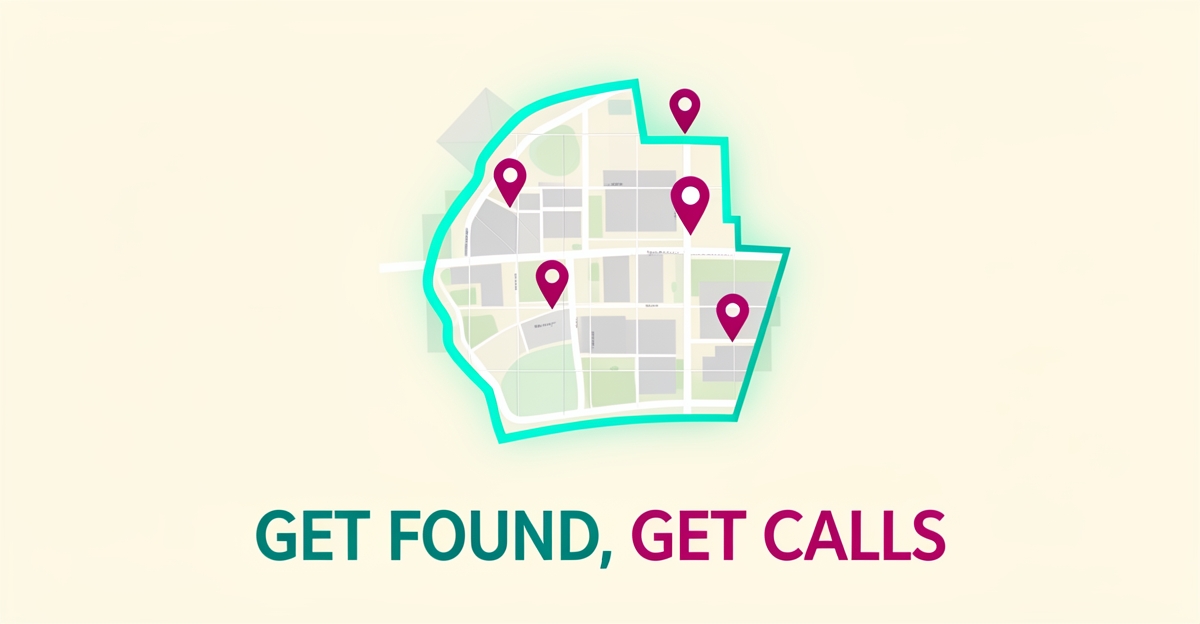
The Static Map Conundrum A significant flaw in many service area pages is the use of static maps that fail to engage or clearly communicate serviced neighborhoods. For instance, a simple image of a map without interactive elements or clear neighborhood listings can leave users uncertain about coverage areas. According to industry research (The Media Captain), this lack of interactivity often results in higher bounce rates and diminished local SEO benefits.
Vague Timelines for Fertilization Services Fertilization businesses also struggle with conveying timely service schedules. Vague statements about "seasonal services" without specifying optimal fertilization windows for each location confuse potential clients. A recent study (WiseGuyReports) highlights the growing importance of clear, location-specific content, with the local SEO market projected to grow to USD 5.8 Billion by 2035, emphasizing the need for precise scheduling information.
Lack of Local Relevance Many pages lack unique, suburb-specific content, failing to address the distinct needs of each service area. This oversight not only hurts SEO but also fails to build trust with potential customers seeking localized solutions. Expert insights (ResultFirst) underscore the value of AI in quickly creating detailed, location-focused content, a strategy AI Business Sites leverages to keep content fresh and relevant.
Key Mistakes Leading to Missed Leads:
- Non-Interactive Service Area Visuals: Static maps or lists that don’t clearly indicate service coverage.
- Lack of Seasonal Service Clarity: Failure to specify optimal fertilization timing by location.
- Generic Content Across Service Areas: Neglecting to tailor content to the unique needs of each suburb or neighborhood.
By addressing these common pitfalls with interactive maps, clear seasonal schedules tailored to each area, and AI-driven, location-specific content, businesses can significantly enhance their service area pages, improve local SEO, and most importantly, generate more leads. AI Business Sites naturally bridges this gap by combining custom, interactive maps with AI content engines that automatically update based on weather and planting data, ensuring each service area page is not just informative but also a lead-generation powerhouse.
How AI-Powered Service Area Pages Automatically Show the Right Info at the Right Time
Most service area pages sit static while weather shifts and growing seasons change — leaving potential customers guessing whether you serve their street or if it's even the right week to fertilize. AI-driven content engines solve this by generating neighborhood-specific pages that update automatically with real-time planting data and local forecasts. The local SEO market is projected to reach USD 5.8 Billion by 2035, growing at 8.8% CAGR, as businesses recognize that visibility in local search directly drives calls according to market research. Meanwhile, Google Business Profile optimization alone commanded a $750 million segment in 2024, underscoring how critical accurate, location-specific information has become per industry analysis.
AI Business Sites builds this intelligence directly into every website — your service area pages pull live weather data and regional planting calendars to show visitors exactly when fertilization windows open and close for their neighborhood. No manual updates, no outdated PDFs, no guessing games. The AI content engine researches, writes, and publishes new pages monthly, each one grounded in your actual service boundaries and automatically linked to relevant service pages so Google understands the full topical cluster following proven SAP strategies.
- Dynamic maps highlight served neighborhoods with tooltips showing current fertilization recommendations
- Seasonal calendars adjust weekly based on AI analysis of weather forecasts and soil temperature data
- Unique, suburb-specific content replaces generic templates that search engines ignore
- Automatic internal linking connects every new page to your core service and location pages, service pages, and GBP listings
This approach mirrors what leading SEO practitioners now recommend: AI systems that handle quicker content creation, detailed data insights, and expandable strategies at scale as documented in recent case studies. Your website becomes a living resource that answers the two questions every visitor has — "Do you serve me?" and "When should I book?" — before they ever pick up the phone.
Local business: doing this the old way?
One system replaces the whole pile.
All of it — the website, the follow-up, the content, the leads — built and run for you for $1,497 + $497/mo. Month-to-month, and you own everything.
See what your build includesPractical Steps to Build a Service Area Page That Converts Visitors into Calls
Most service area pages answer "where" but ignore "when" — leaving potential customers guessing about fertilization windows that shift with every cold snap or heat wave. Research shows the local SEO market is projected to grow from USD 2.49 billion in 2025 to USD 5.8 billion by 2035 at an 8.8% CAGR, making clear, localized timing displays a competitive necessity rather than a nice-to-have. AI Business Sites builds this clarity directly into the website structure so visitors see exactly which neighborhoods you serve and when their lawn needs attention — without you manually updating calendars every season.
Start with an interactive map that highlights every neighborhood you serve, not just a city-wide polygon. Each map area should trigger a tooltip or sidebar showing the current fertilization recommendation for that specific microclimate, pulling from weather forecasts and soil temperature data updated weekly. Pair this with a dynamic seasonal calendar that displays spring, summer, and fall application windows color-coded by urgency — "optimal now," "window closing," or "schedule for next cycle." The AI content engine behind AI Business Sites generates these blocks automatically each month, researching local conditions and writing neighborhood-specific guidance like "Spring Fertilization Tips for [Neighborhood]" while linking internally to your core service pages for topical authority.
- Embed an interactive service area map with neighborhood-level tooltips showing real-time fertilization guidance
- Display a dynamic seasonal calendar that updates based on weather data and planting zones
- Publish AI-generated, location-specific content monthly that links to relevant service pages
- Optimize Google Business Profile and service area pages together for maximum local visibility
- Capture leads directly from the map and calendar with one-click booking or chat
Google Business Profile optimization remains the largest segment of the local SEO market at USD 750 million in 2024, and it works best when your website's service area pages mirror the same neighborhoods with unique, substantive content. The Media Captain recommends interviewing clients to create suburb-specific material — AI Business Sites automates that research at scale, producing content grounded in actual service zones and current conditions. Every new page links automatically to your existing service and location pages, building the internal cluster structure that search engines reward. Visitors get answers; you get qualified calls — and the website keeps refining both without adding to your workload.
Frequently Asked Questions
Why does my service area page get traffic but no calls?
How do I show fertilization timing that's actually accurate for each neighborhood?
Is it worth investing in better service area pages for my fertilization business?
Can AI really write unique content for every neighborhood I serve?
What's the difference between a static map and an interactive one for service areas?
Do I need to manually update fertilization calendars every season?
Your Service Area Page Should Work as Hard as You Do
Most service area pages answer "where" but leave "when" as a guessing game — costing you calls every week the calendar goes stale. The businesses winning local search aren't publishing static maps and seasonal PDFs; they're serving up interactive, neighborhood-level guidance that updates with the weather, the soil temperature, and the actual fertilization window for each street they serve. The local SEO market is projected to reach USD 5.8 Billion by 2035, and the gap between a page that sits there and a page that converts is exactly the gap AI Business Sites was built to close. Your website can show every visitor whether you serve their neighborhood and when their lawn needs attention — automatically, accurately, and without you lifting a finger. If your current site can't do that, it's not a marketing asset; it's a placeholder. Start by auditing your service area pages: do they answer both questions before the visitor picks up the phone? If not, it's time to build one that does.
FOR local businesss — BUILT AND RUN BY US
Your website. Your content. Your leads. Your data.
$500 starts your build. Seven days later it's live — chat, booking, follow-up, and your Google presence all set up. Then we run it, every month. You do the work you actually get paid for.