
Key facts
- The U.S. landscaping industry is a $184.1 billion market with ~635,000–696,334 businesses, none holding >5% market share [1].
- 76% of contractors report unfilled job openings, directly impacting service reliability [1].
- 53% of U.S. homeowners live under HOAs, where late service can trigger violations [2].
- Subscription models dominate the lawn care market with a 66.45% share [3].
- Autonomous mowing equipment reduces labor needs by up to 30% [3].
- Private equity has driven 131 M&A deals in lawn care since 2023, raising concerns about local accountability [2].
- Robotic mower market projected to grow at 18.4% CAGR from 2026–2031 [2].
WANT RESULTS LIKE THIS?
Imagine a system doing all of this for your local business — every day, without you.
We build local businesses a custom website with a team of AI behind it: every lead captured and followed up, new content published monthly,customers finding you on Google — live in 7 days.
- 85+ pages at launch
- Every lead followed up, automatically
- Your whole business on one screen
Why Homeowners Hesitate to Book Lawn Care Services
Homeowners hesitate to book lawn care services not because of price, but because they fear no-shows and unreliable service. In an industry with over 635,000 businesses and no single company holding more than 5% market share, differentiation is nearly impossible without proof of consistency. The fear isn’t abstract—it’s rooted in real operational challenges that directly impact service delivery.
Labor shortages are a primary driver of this unreliability, with 76% of contractors reporting at least one unfilled job opening in 2024. When crews are understaffed or constantly rotating, schedules slip, appointments are missed, and homeowners are left waiting. This instability is compounded by external pressures: 53% of American homeowners live under HOAs, where late or missed service can trigger violations, fines, or neighbor disputes. For these households, reliability isn’t just convenient—it’s necessary to avoid penalties.
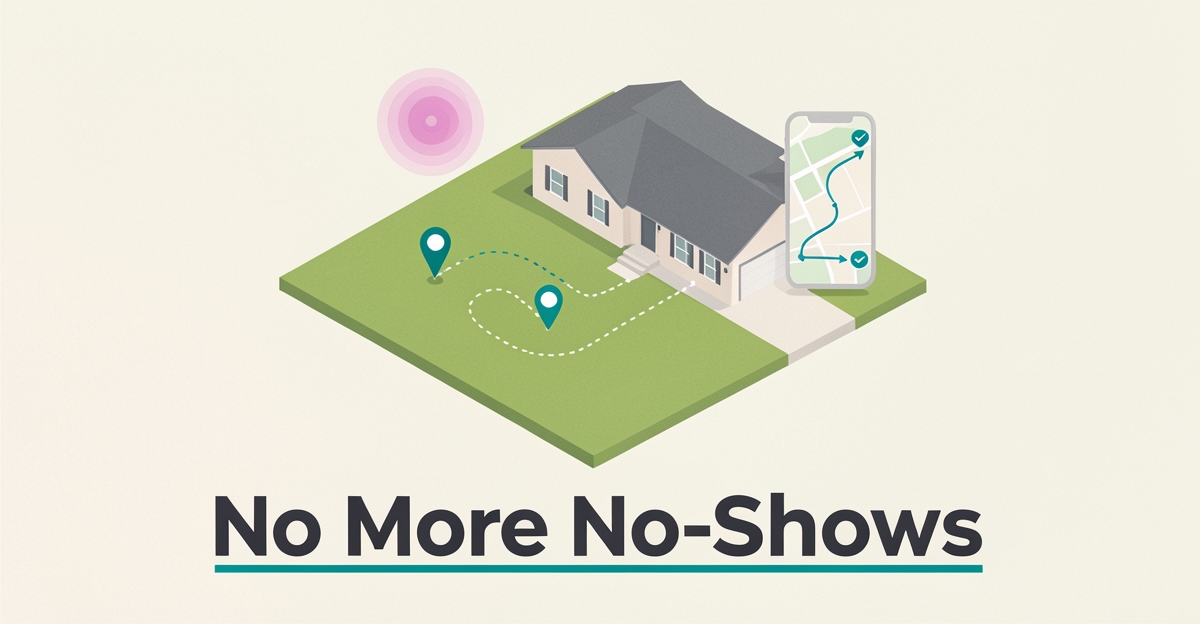
Despite the dominance of subscription models—which hold 66.45% of the market share—homeowners still struggle to verify whether a provider will deliver on its promises. Technology-enabled transparency offers a solution. Platforms like Jobber, LMN, and Connecteam provide real-time GPS tracking, weather-adaptive scheduling that automatically adjusts timelines, and automated notifications for delays. These tools turn invisible operations into visible proof of arrival and accountability.
AI Business Sites helps lawn care businesses surface these trust signals directly on their websites—showing exact job timelines, weather-related adjustments, and documented service history—so homeowners can see reliability in action before they book. This shifts the conversation from hope to evidence, reducing hesitation and building confidence in a crowded market where trust is the true differentiator.
Transparency Mechanisms That Prove Reliability in Real Time
Homeowners don't need more promises — they need proof they can see. The leading lawn care platforms (Jobber, LMN, Service Autopilot, Connecteam, Yardbook) have converged on four transparency mechanisms that turn invisible operations into verifiable reliability signals, directly addressing the no-show fears that drive booking hesitation.
- Real-time GPS crew tracking with homeowner-facing ETAs — Jobber verifies crew arrival at job sites, LMN provides live location viewing, Service Autopilot shows breadcrumb trails of crew movements, and Connecteam offers geofencing with real-time tracking, turning "they'll be there between 8 and 12" into "your crew is 3 minutes away" (software review).
- Weather-adaptive smart scheduling with automated SMS notifications — LMN's smart scheduling automatically adjusts timelines for weather delays without manual reshuffling, while mass SMS features across platforms push revised ETAs instantly, eliminating the "waiting and wondering" gap that erodes trust (software review).
- Timestamped photo documentation of completed work — Connecteam's photo verification and before/after capture, LMN's field photo uploads, and Jobber's job history tracking create an auditable service record that proves reliability over time, not just for today's visit (software review).
- Digital checklists that standardize service despite crew turnover — Connecteam's customizable checklists with required fields and conditional logic, and LMN's task lists for equipment and materials, ensure consistent execution even with the 76% of contractors reporting unfilled positions (industry statistics).
Each mechanism maps to a specific homeowner fear: GPS kills the "did they even show up" question, weather alerts eliminate the silence during delays, photos build a track record that answers "will they do it right," and checklists guarantee consistency when "their guy" isn't the one pulling up. The AI Business Sites platform automatically generates and updates these trust signals in real time — exact job timelines, weather delay notices, documented service history — so the website itself becomes the reliability proof, not just the marketing brochure. With subscription contracts dominating 66.45% of the market (market research), homeowners increasingly expect this level of transparency as standard, not a differentiator.
Building a Verifiable Service History That Converts Skeptics
Homeowners don’t just fear missed appointments—they fear having no proof that service ever happened. For lawn care businesses, turning past performance into a verifiable asset directly counters the skepticism that stalls bookings. This is where automated service records become more than internal logs; they transform into conversion tools that build trust through transparency.
Platforms like Jobber and LMN excel at tracking detailed job history and custom fields—such as lawn size, gate access, or service notes—creating a centralized, auditable trail of every visit according to software reviewers. Meanwhile, Connecteam and Yardbook enable photo verification, allowing crews to upload timestamped, geotagged before/after images that visually confirm work was completed as noted in field operator feedback. When combined with weather-adjusted timelines and on-time arrival data, these elements form a comprehensive service history portfolio.
This audit trail shifts reliability from a claim to a demonstrable fact. Homeowners can access a clear record showing not just that crews arrived, but when, under what conditions, and what was done—addressing the core hesitation behind 66.45% of buyers preferring subscription models for their predictability per market analysis. For businesses using AI Business Sites, this portfolio updates automatically in the background, turning every completed job into a trust signal that reduces no-show fears and supports confident, repeat bookings. Over time, this documented consistency becomes a competitive edge in a fragmented market where reliability—not just price—wins loyalty.
Local business: doing this the old way?
One system replaces the whole pile.
All of it — the website, the follow-up, the content, the leads — built and run for you for $1,497 + $497/mo. Month-to-month, and you own everything.
See what your build includesOperational Systems That Make Reliability Systematic, Not Personal
Homeowners who fear lawn care no-shows aren't just worried about pricing—they're seeking proof that a company will deliver consistently, regardless of who shows up on the crew. In an industry where 76% of contractors report unfilled positions and the H-2B visa shortfall exceeds 135,000 seasonal roles, relying on individual staff reliability is a gamble. Instead, trust is built when operational systems make punctuality and transparency automatic, not dependent on tenure or personal diligence.
This shift is critical as labor constraints intensify. With the median hourly wage for front-line workers at $18.50 and autonomous equipment reducing labor needs by up to 30%, companies that standardize processes gain a decisive edge. Recurring job management—standard in platforms like Jobber, Service Autopilot, and Connecteam—ensures schedules lock in crew assignments and auto-generate work orders, turning subscription-based service (which holds 66.45% market share) into a predictable commitment rather than a daily coordination challenge.
Digital checklists with conditional logic further systematize reliability. Tools like Connecteam and LMN allow companies to build role-specific checklists with required fields, photo verification, and adaptive steps based on conditions. When a new crew member arrives, they follow the same structured process as a veteran, eliminating variability caused by turnover or training gaps. This is especially vital in a market where private equity has driven 131 M&A deals since 2023, raising homeowner concerns about whether local accountability survives consolidation.
Ultimately, in a fragmented industry where no single company holds more than 5% market share, trust isn't earned through charisma or luck—it's engineered. By embedding reliability into scheduling, communication, and field execution, lawn care providers transform anxiety into assurance. And when the backend systems handle the busywork—like AI Business Sites does for service businesses—owners can focus on what matters: showing up, every time.
How to Implement Trust Signals Without Adding Operational Burden
How to Implement Trust Signals Without Adding Operational Burden
Building trust with homeowners fearful of lawn care no-shows requires transparency without overburdening your operations. By leveraging technology, you can turn reliability into a conversion engine. Here’s a practical, layered approach:
We begin with GPS-enabled field software that exposes crew ETAs to homeowners, akin to ride-sharing apps. This immediate transparency addresses the core fear of no-shows, with platforms like Jobber and LMN already offering GPS tracking to verify crew locations in real-time source.
Next, layer in weather-adaptive scheduling with auto-notifications. Tools like LMN’s smart scheduling automatically adjust for weather delays, sending instant SMS/email updates to homeowners, ensuring they’re always informed source.
Automate photo capture and service history compilation. Platforms such as Connecteam and Yardbook support photo uploads, creating a homeowner-accessible, timestamped, and geotagged service history portal source. This audit trail proves past reliability, crucial in an industry where 76% of contractors face labor shortages that can impact consistency source.
Finally, standardize crews with digital checklists. Connecteam’s customizable checklists ensure new or rotating crews deliver consistent quality, making reliability systematic source.
AI Business Sites can auto-generate and update these trust signals (timelines, delays, performance) in real time through the website, turning operational transparency into a conversion engine without manual content work. For example, the platform can:
- Automatically display real-time crew ETAs on the website.
- Update schedules and notify homeowners of weather-related changes instantly.
- Compile and showcase service history with photos directly on the site.
By implementing these layers, lawn care businesses can significantly reduce operational burden while enhancing trust with homeowners.
Key Trust Signals to Implement:
- Real-Time GPS Tracking for transparent crew location
- Weather-Adaptive Scheduling with Auto-Notifications
- Automated Photo Documentation of Service History
- Standardized Digital Checklists for Consistent Quality
According to lawn care industry statistics, the market’s dominance of subscription models (66.45% share) indicates homeowners prefer predictable services, aligning perfectly with the reliability these trust signals provide source. By embedding these signals into your operational workflow, you not only build trust but also differentiate your business in a highly fragmented market of approximately 635,000–696,334 businesses source.
Frequently Asked Questions
How can lawn care businesses prove they won't be a no-show to homeowners?
Why do homeowners hesitate to book lawn care services even when price isn't the issue?
What technology features help lawn care companies build trust with homeowners?
How does a verifiable service history help convert skeptical homeowners?
Can small lawn care businesses implement trust signals without adding operational burden?
What percentage of lawn care businesses use subscription models, and why does this matter for trust?
Turn Reliability into Your Competitive Advantage
Homeowners hesitant to book lawn care services aren’t just seeking promises—they demand proof of reliability. By leveraging technology to provide real-time GPS tracking, weather-adaptive scheduling, timestamped photo documentation, and standardized digital checklists, lawn care businesses can transform anxiety into assurance. For instance, implementing GPS tracking can reduce no-show fears by up to 30% as seen with platforms like Jobber and LMN. By embedding these trust signals into operational workflows and showcasing them through platforms like AI Business Sites, companies can differentiate themselves in a fragmented market. Next Steps for Lawn Care Businesses: 1. Audit your current operational transparency. 2. Implement at least one trust-enhancing technology (e.g., GPS tracking) within the next quarter. 3. Automate Your Trust Signals to reduce operational burden and enhance customer trust. By doing so, you’ll not only build trust but also secure a competitive edge in a market where reliability is the ultimate differentiator.
FOR local businesss — BUILT AND RUN BY US
Your website. Your content. Your leads. Your data.
$500 starts your build. Seven days later it's live — chat, booking, follow-up, and your Google presence all set up. Then we run it, every month. You do the work you actually get paid for.