
Key facts
- Columbus hotels lost over $1 million in revenue since June 2024 due to car break-ins at events according to industry reports
- One Columbus incident targeted 50 vehicles in a single day during a conference per event planning sources
- The global event parking solutions market grew from $1.8B to $4.2B in five years per market analysis
- Mobile apps now power 61% of event parking bookings globally according to industry data
- Real-time analytics are deployed in 45% of major stadiums and convention centers by 2024 per venue technology surveys
- The autonomous valet parking system market is projected to reach $1.5B by 2034 per industry forecasts
- Digital tools create transparent, trackable services that reduce mishaps and potentially lower insurance claims per insurance industry insights
WANT RESULTS LIKE THIS?
Imagine a system doing all of this for your local business — every day, without you.
We build local businesses a custom website with a team of AI behind it: every lead captured and followed up, new content published monthly,customers finding you on Google — live in 7 days.
- 85+ pages at launch
- Every lead followed up, automatically
- Your whole business on one screen
Why Vehicle Safety Is Now a Top Concern for Event Planners
Event planners are losing sleep over parking lot security — and for good reason. Since June 2024, hotels in Columbus, Ohio have lost over $1 million in revenue after car break-ins linked to business events drove attendees away, with one conference day seeing 50 vehicles targeted in a single incident. The financial stakes have moved vehicle safety from a background detail to a front-line reputation risk.
The legal exposure compounds the pressure. While event organizers are unlikely to be held legally liable for theft on property they don't own or control, attorneys confirm they can still be named in lawsuits — forcing planners to scrutinize parking security during site visits and negotiate dedicated, monitored zones in their contracts. A valet operation without documented safeguards becomes a liability the planner can't afford.
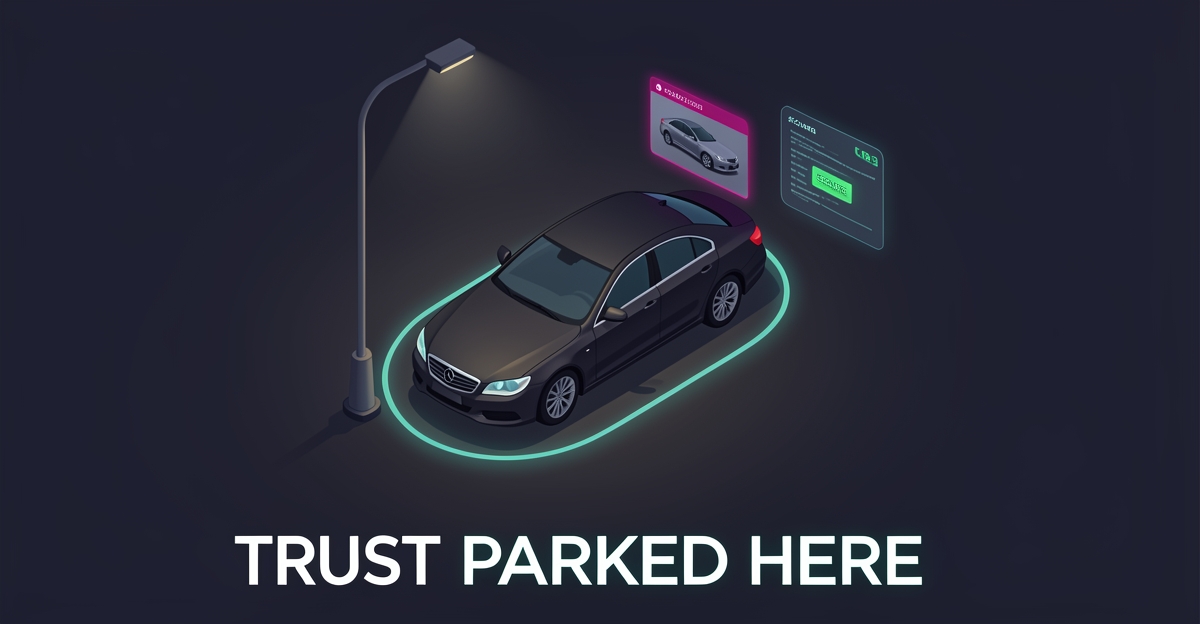
Planners now expect a layered security stack, not a key drop and a smile. Industry leaders combine GPS tracking for real-time location visibility, photo documentation with AI damage flagging, digital key management with audit trails, dashcam integration for luxury vehicles, and surveillance camera networks. Insurance specialists note these digital tools create "transparent, trackable services" that reduce mishaps and potentially lower claims — turning security into a measurable trust signal.
- GPS tracking that lets clients see their vehicle's exact location anytime
- Four-corner photo documentation linked to each ticket before the car moves
- Digital key logs recording every access with time, driver, and location
- Dashcam coverage for high-value vehicles
- Automated incident reporting with guaranteed notification timelines
The market is responding. The global event parking solutions sector has grown from $1.8 billion to $4.2 billion in five years, with mobile apps now powering 61% of bookings and real-time analytics deployed in 45% of major venues. Autonomous valet systems — projected to reach $1.5 billion by 2034 — are raising the bar further with sensor fusion and AI path planning that eliminate human error in tight spaces.
For valet operators, the message is clear: document every layer, communicate it in plain language, and hand planners a security protocol package they can attach to their venue contract. When the next site inspection happens, the valet with a live dashboard and photo audit trail wins the business — and protects the planner's reputation before a single key changes hands.
How Technology Creates Transparent, Trackable Valet Service
Event planners face a stark reality when it comes to vehicle safety: Columbus, Ohio hotels have lost over $1 million in revenue since June 2024 due to car break-ins during business events, with one incident targeting 50 vehicles in a single day. This isn’t just about lost revenue—it’s about reputation. When attendees question whether their vehicles will be secure, confidence in your event crumbles before guests even arrive. The solution isn’t just better training or more attendants. It’s layered technology that turns your valet service into a transparent, trackable system where every move is documented, every location is verifiable, and every interaction is logged.
GPS tracking has moved beyond basic fleet management. Modern systems now offer real-time location visibility that clients can access through a simple dashboard, showing their vehicle’s status at any moment. Digital key management provides an audit trail that logs who accessed each car, when, and where—eliminating the ambiguity that fuels disputes. Photo documentation with AI damage flagging ensures vehicle condition is captured at check-in and check-out, flagging potential issues before they escalate. Dashcams integrated into luxury vehicle fleets add another layer of protection, creating visual records that can be reviewed instantly. These aren’t futuristic concepts. They’re the building blocks of trust in an industry where hesitation costs bookings.
The data shows event planners are already prioritizing these measures. The global event parking solutions market grew from $1.8 billion in 2018 to $4.2 billion in 2024—a 116% increase—and is projected to reach $8.9 billion by 2033. Mobile app-based services now power over 61% of event parking interactions, with real-time analytics deployed in 45% of stadiums and convention centers by 2024. Digital and mobile parking has become standard at over 58% of large venues, proving that clients expect—and increasingly demand—transparent systems that reduce friction and build confidence.
- Photo documentation with AI ensures every vehicle is photographed from all angles at pickup and drop-off, with anomalies flagged automatically for review.
- GPS tracking provides real-time location updates clients can access anytime, eliminating the uncertainty that erodes trust.
- Digital key management logs every access event with timestamps, driver IDs, and vehicle locations—creating an unbreakable chain of accountability.
- Dashcam integration for luxury vehicles adds visual verification that reassures high-value clients who expect premium service standards.
- Real-time incident reporting ensures clients receive immediate notifications with full documentation if any issue arises.
Your valet service isn’t just moving cars—it’s managing risk. And in an environment where planners face legal exposure despite limited liability, these technologies transform valet from a logistical task into a reputational safeguard. As one industry analysis notes, digital tools that provide transparent, trackable services directly enhance customer experience and trust—making them non-negotiable for competitive bids. The question isn’t whether to implement these systems, but how quickly you can deploy them to reassure skittish planners before the next event bid deadline.
Local business: doing this the old way?
One system replaces the whole pile.
All of it — the website, the follow-up, the content, the leads — built and run for you for $1,497 + $497/mo. Month-to-month, and you own everything.
See what your build includesPractical Steps to Showcase Your Security Measures to Clients
Event planners need concrete proof that their attendees' vehicles are protected—not just assurances. Showcasing your security protocols through visible, client-accessible technology transforms valet from a point of anxiety into a demonstrated risk mitigation strategy. When planners can see exactly how you safeguard vehicles, their confidence in your service increases measurably.
Start with mobile-based damage documentation that creates an immutable record. Require 4-corner photos and license plate scans at both check-in and check-out, digitally linking each image to the vehicle’s ticket via a smartphone app—no extra hardware needed. This low-infrastructure solution provides immediate, verifiable transparency that directly answers the planner’s core worry: “How do I know my car wasn’t damaged?” as noted in industry research on automated valet upgrades.
Next, give clients live dashboard access to their vehicle’s status in real time. Show them exactly where their car is parked, who last moved it, and timestamped condition photos—turning abstract security promises into observable facts. This aligns with the growing expectation for transparent, trackable services that enhance trust through digital accountability, as highlighted by insurance industry perspectives on valet technology.
Finally, explain your tech benefits in plain language that focuses on client experience, not jargon. Replace terms like “sensor fusion” or “SAE Level 3” with benefit-driven statements: “You can see your car’s exact location anytime,” “We photograph your car from every angle before it moves—you get the photos instantly,” and “If anything happens, you’re notified in minutes with full documentation.” This approach ensures planners grasp the value without needing technical expertise, making your security measures a clear differentiator in proposals and contracts. By integrating these practices, you position valet not just as a convenience, but as a proactive layer of protection for events—exactly what planners are advised to evaluate during site inspections and contract negotiations. AI Business Sites helps automate this transparency by generating and delivering safety protocol content directly through client-facing website pages and chat interfaces, reducing hesitation before the first conversation even begins.
Frequently Asked Questions
How much revenue have Columbus hotels lost due to car break-ins during business events since June 2024?
Are event planners legally liable if attendees' vehicles are damaged or stolen during valet service?
What technology features do event planners expect from valet services to build trust in vehicle safety?
How can valet operators quickly implement vehicle safety documentation without expensive hardware?
What is the projected growth of the autonomous valet parking system market by 2034?
How has the global event parking solutions market changed over the past five years?
Turn Parking Anxiety Into Event Approval: The Trust Builder Every Planner Needs
The stakes have never been higher for event planners—and neither has the opportunity for valet operators who can prove their safety protocols. When car break-ins during business events cost Columbus hotels over $1 million in just months, the message was clear: vehicle security is now a deal-breaker. Today’s planners aren’t just looking for a key drop and a smile; they need layered, verifiable protection. GPS tracking, photo documentation with AI damage flagging, digital key management with audit trails, and real-time incident reporting aren’t futuristic luxuries—they’re the new standard for trust. These tools don’t just reduce mishaps; they transform valet from a logistical step into a reputation safeguard for planners facing legal exposure despite limited liability. The market has spoken, too. With the global event parking solutions sector hitting $4.2 billion and set to double by 2033, clients expect—and increasingly demand—transparent systems that give them control over their biggest worry: “Will my attendees’ cars be safe?” If your valet service still relies on promises instead of proof, you’re leaving money on the table. Start by documenting every interaction with a smartphone-based damage control system that links photos, license plates, and timestamps to each ticket. Then hand clients a live dashboard showing their vehicle’s status in real time. Finally, package your security measures into a one-page “Planner Protection Addendum” that answers their core question before they ask it. In a landscape where hesitation costs bookings, the valet with verifiable safety wins the bid.
FOR local businesss — BUILT AND RUN BY US
Your website. Your content. Your leads. Your data.
$500 starts your build. Seven days later it's live — chat, booking, follow-up, and your Google presence all set up. Then we run it, every month. You do the work you actually get paid for.