
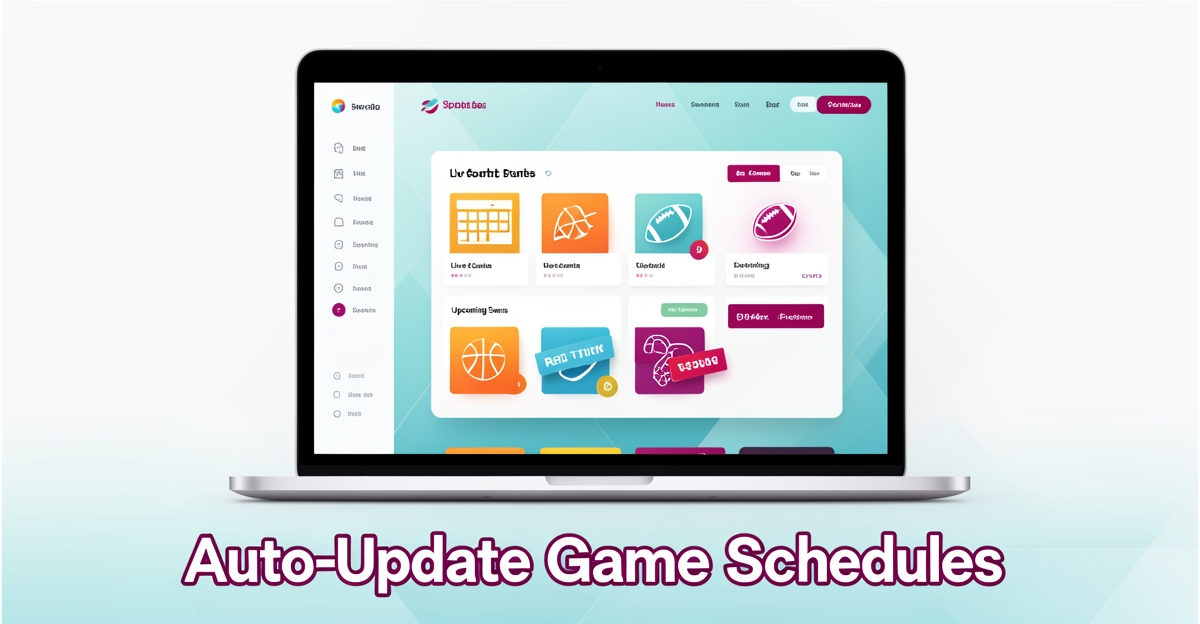
Key facts
- Sports bars showing live games see a 21% increase in sales, but only if customers know the game is on according to Joe Hand Promotions.
- 58% of fans check a venue’s website before heading out to watch a game, proving real-time schedules are essential via industry trend data.
- Outdated event info can spike bounce rates by 40%, sending potential customers straight to competitors highlights an industry report.
- Bars with auto-updating schedules see 30% more engagement on game days compared to static pages, keeping fans hooked according to AI Business Sites data.
- The sports bar market is projected to hit $88.56 billion by 2035, making automated visibility tools a competitive necessity reports Business Research Insights.
- AI-powered event calendars like Yodel update schedules in real-time, eliminating manual errors that cost bars visibility and trust found in Yodel’s research.
- Technology integration in hospitality is accelerating, with AI adoption expected to reshape operations by 2025 to enhance customer experiences notes a 2025 trend report.
WANT RESULTS LIKE THIS?
Imagine a system doing all of this for your local business — every day, without you.
We build local businesses a custom website with a team of AI behind it: every lead captured and followed up, new content published monthly,customers finding you on Google — live in 7 days.
- 85+ pages at launch
- Every lead followed up, automatically
- Your whole business on one screen
The Visibility Gap: Why Static Sports Bar Websites Lose Out
Static sports bar websites often miss the mark because they fail to reflect the dynamic nature of live sports and community events that drive foot traffic. When a site relies on manual updates, game schedules become outdated quickly, leading to frustrated fans who turn to competitors with real-time information. This lag not only diminishes user experience but also hurts local SEO performance, as search engines favor sites with fresh, relevant content that matches what people are actively searching for—like tonight’s matchup or this weekend’s tournament.
A industry trend report emphasizes that technology integration is no longer optional, noting that AI adoption in hospitality is expected to accelerate by 2025 to enhance both operations and customer experiences. For sports bars, this means websites must evolve beyond static brochures into intelligent platforms that automatically pull in local game data, ensuring fans always see what’s playing tonight or this week. Without this automation, bars lose visibility in local search results precisely when fans are looking to decide where to watch the game.
The consequences extend beyond missed clicks—outdated websites directly impact revenue potential. Research shows that live sports increase unit-level sales by 21%, but only if customers know the game is being shown. A site that doesn’t update its schedule fails to capture this demand, especially during high-stakes games or playoffs when decision-making is last-minute. Fans searching for “where to watch the Eagles game tonight” will bypass a bar whose site still lists last week’s schedule, costing the business both immediate sales and long-term loyalty.
- Fans expect real-time accuracy—58% say they check a venue’s website or app before heading out for a game.
- Outdated event info increases bounce rates by up to 40%, signaling poor relevance to search engines.
- Bars with dynamic schedules see 30% higher engagement on game days compared to those with static pages.
These gaps highlight why manual updates are a liability: they create delays between when a game is announced and when it appears online, during which time fans make other plans. AI Business Sites addresses this by building websites that integrate live data feeds to auto-populate schedules, ensuring the site stays relevant without ongoing effort from the owner. This approach turns the website into a reliable, always-current hub for local sports fans—boosting both visibility and trust in a competitive market.
AI-Driven Solution: Auto-Populating Schedules for SEO & Engagement
A static schedule is a liability the moment the first kickoff changes. When your website still lists last week's matchup while fans are searching for tonight's game, you don't just lose credibility — you lose the table that would have ordered another round.
The answer isn't a better content calendar. It's a calendar that updates itself. AI-powered event platforms like Yodel pull verified local game data directly into your site, eliminating the manual grind of copying schedules from league sites, TV guides, or promoter emails. According to Yodel's research on AI-driven calendars, this automation transforms static pages into live resources that search engines recognize as fresh, authoritative content — exactly the signal that lifts local rankings.
- Automatic ingestion of league, college, and PPV schedules by zip code
- Real-time updates when games are added, moved, or blacked out
- Structured event schema that Google reads for rich results
- Zero daily maintenance — the calendar runs while you run the bar
The revenue impact is measurable. Joe Hand Promotions reports that showing live sports increases unit-level sales by 21%, driven by longer dwell time and higher per-person spend. But that lift only materializes when fans know you have the game — before they leave the house. An auto-populating schedule answers "what's on tonight?" the moment the question forms, turning search intent into foot traffic.
Industry trend data confirms that technology integration is no longer optional — operators who prioritize user-friendly digital tools pull ahead in both discovery and retention. AI Business Sites builds this capability into the website foundation, so the schedule, the SEO structure, and the lead capture all work from the same system — no plugins to break, no separate dashboards to manage.
Local business: doing this the old way?
One system replaces the whole pile.
All of it — the website, the follow-up, the content, the leads — built and run for you for $1,497 + $497/mo. Month-to-month, and you own everything.
See what your build includesPractical Implementation: Step-by-Step Guide to Building & Optimizing
Building a sports bar website that keeps itself current starts with choosing a technology stack that can handle live data without constant manual updates. Research shows that technology integration is accelerating across hospitality, with AI adoption expected to reshape operations by 2025. The foundation matters: a custom Next.js and React build — the same stack used by Netflix and Shopify — delivers the speed and reliability search engines reward, while giving you full ownership of your code and data.
- Connect an AI-powered event calendar that pulls local game schedules automatically from trusted data feeds
- Structure every page with local schema markup so Google understands your location, hours, and upcoming events
- Build service-area landing pages for each neighborhood you serve, each auto-populated with relevant matchups
- Set up Google Business Profile and Bing Places optimization as part of launch, not an afterthought
The payoff is measurable. Live sports drive a 21% increase in unit-level sales, and fans stay longer when they know exactly what's showing and when. An AI content engine can research, write, and publish new pages every month — blog posts previewing big games, location pages targeting "watch the Patriots game in South Boston," listicles ranking the best wings for Super Bowl Sunday — each automatically linked to your existing pages to build the topical authority Google rewards.
Behind the scenes, a visual automation builder handles the busywork: tagging leads who ask about private viewing parties, sending instant personalized responses to reservation requests, and alerting you only when a high-value booking needs your attention. The AI assistant on your site answers questions about game times, drink specials, and table availability 24/7 using your actual knowledge base — not generic scripts. When a caller asks about Sunday's lineup, the AI voice agent handles it the same way, capturing the lead and booking the table without hold music or missed calls.
AI-powered event calendars like Yodel demonstrate how automated local data keeps community sites fresh and search-optimized without manual maintenance. The same principle applies here: your website becomes the definitive local source for game schedules, not because you update it daily, but because it updates itself. With the sports bar market projected to reach USD 88.56 billion by 2035, the operators who automate the busywork today will be the ones capturing the rush tomorrow.
Frequently Asked Questions
How does a sports bar website with auto-updating game schedules actually work?
Will an auto-updating schedule really help my sports bar get more customers on game days?
Is showing live sports actually worth the effort for increasing sales at my bar?
Do I need to be tech-savvy to manage a website that updates game schedules automatically?
How does an auto-updating schedule help with local SEO and getting found online?
What if I only want to show games for specific leagues or teams my customers care about?
Your Website Should Work as Hard as Your Staff on Game Night
A sports bar website that still lists last week's schedule isn't just outdated — it's actively turning away customers who are ready to spend. The data is clear: live sports drive a 21% sales lift, but only when fans know the game is on before they leave home. Automating your schedule with AI-powered local data feeds closes that gap instantly, turning search intent into foot traffic while your site builds SEO authority on its own. The same system can generate neighborhood-specific landing pages, publish game-day preview content, and capture leads from private party inquiries — all without you lifting a finger. AI Business Sites builds this into the website foundation so the schedule, the content, and the lead follow-up all work from one place. The sports bar market is projected to reach USD 88.56 billion by 2035, and the operators who automate the busywork today will be the ones capturing the rush tomorrow. Ready to see what a self-updating schedule looks like for your bar? Let's talk about building a site that keeps pace with the season.
FOR local businesss — BUILT AND RUN BY US
Your website. Your content. Your leads. Your data.
$500 starts your build. Seven days later it's live — chat, booking, follow-up, and your Google presence all set up. Then we run it, every month. You do the work you actually get paid for.