
Key facts
- 68% of organizations have already incorporated AI into onboarding processes, with 83% likely to adopt automated onboarding within 1-2 years according to AIHR.
- 30-35% of Customer Success Manager (CSM) time is spent gathering information from disparate sources, a task ripe for AI automation as noted by Dock.
- 78% of Customer Success teams are already using or planning to use AI for onboarding as of late 2023 per ChurnZero.
- AI can reduce onboarding drop-off rates by personalizing experiences, achieving an average user activation rate of 37.5% across 62 B2B SaaS companies as highlighted by Userpilot.
- 86% of customers increase loyalty with great onboarding experiences cited by ChurnZero.
WANT RESULTS LIKE THIS?
Imagine a system doing all of this for your local business — every day, without you.
We build local businesses a custom website with a team of AI behind it: every lead captured and followed up, new content published monthly,customers finding you on Google — live in 7 days.
- 85+ pages at launch
- Every lead followed up, automatically
- Your whole business on one screen
Introduction
Commissioning firms know the drill: a new project lands, and suddenly the team is chasing documents, manually building checklists, and coordinating schedules across disciplines — all before the first site visit. That administrative drag doesn't just slow the ramp-up; it introduces errors that surface weeks later during verification. Research across adjacent professional services shows this isn't inevitable. Industry data reveals 68% of organizations have already incorporated AI into onboarding workflows, with 83% likely to adopt automated onboarding within one to two years. The shift is driven by a simple reality: customer success leaders report that 30–35% of their time gets consumed gathering information from disconnected sources — a problem that maps directly to commissioning project intake.
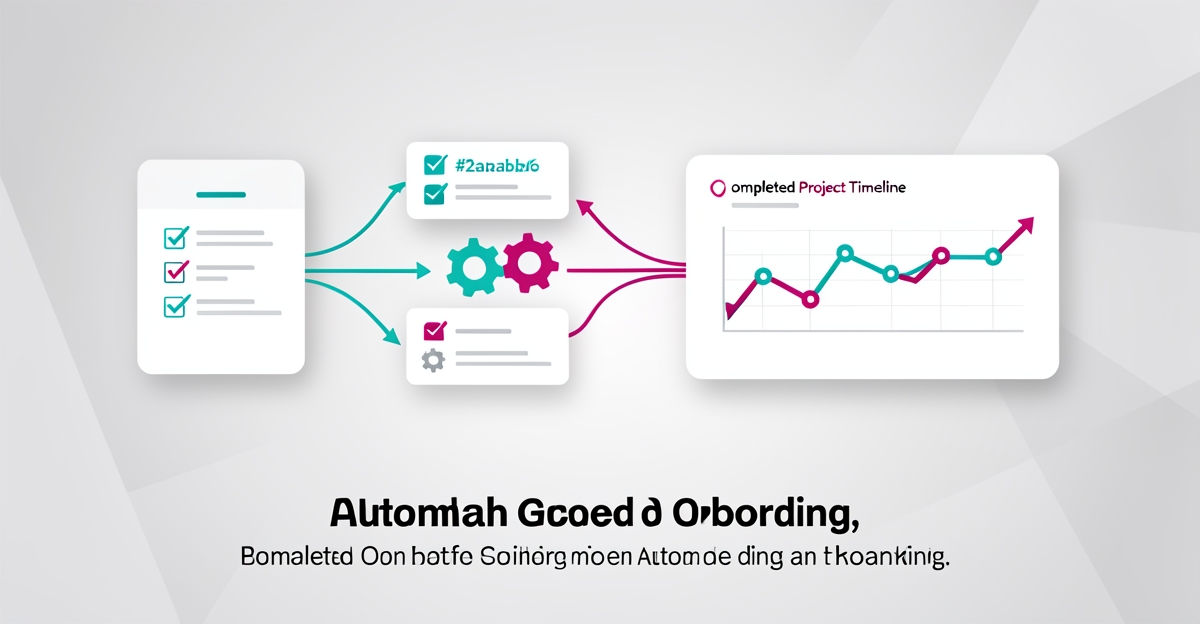
- AI pre-fills project details from lead source data the moment a deal closes
- Dynamic checklists generate automatically based on project type, jurisdiction, and complexity
- Tasks route to the right team members by role, workload, and expertise
- Contextual nudges trigger when milestones stall — without manual follow-up
The consensus across seven independent analyses is clear: AI should handle the repetitive, data-heavy lift — document analysis, compliance checks, meeting recaps — while humans own relationship-building and high-stakes decisions. As Michael Forney, VP Customer Success at Responsive, puts it: "I'm not going to lunch with the AI. The human part is knowing that there are other humans inside of that organization who know about you and who are going to advocate for you." For commissioning firms, that means a hybrid workflow where the website and backend platform handle the busywork from day one, freeing the team to focus on the technical coordination that actually protects the project.
Key Concepts
Key Concepts: Leveraging AI for Real-Time Client Onboarding in Commissioning Firms
In the fast-paced world of commissioning firms, manual and slow client onboarding processes can lead to delays, errors, and missed opportunities. By embracing AI, these firms can transform their onboarding experience, ensuring consistency, efficiency, and a strong foundation for project success. Here are the core concepts driving this transformation:
AI-powered onboarding automates routine yet critical tasks, such as project intake, initial checklist generation, and task assignment to team members in real time, immediately after capturing a lead. This not only streamlines the process but also ensures every client receives a consistent, structured onboarding experience from day one.
- Automation of Repetitive Tasks: AI handles document analysis, compliance checks, and data gathering, freeing up staff for strategic, high-touch interactions.
- Human Oversight for High-Value Interactions: Clients receive personalized attention for relationship-building, complex problem-solving, and critical decision points.
-
Example: According to Dock, AI can automate meeting notes and activity logging, while humans focus on building client relationships, as noted by Gillian Heltai, CCO at Haus.
-
Personalized Project Intake: AI analyzes lead source data to pre-fill project details and generate project-specific checklists dynamically.
- Context-Aware Task Assignment: Tasks are assigned based on team member workload, expertise, and project requirements, with real-time nudges for stalled milestones.
-
Statistic: Userpilot highlights that AI can reduce onboarding drop-off rates by personalizing experiences, achieving an average user activation rate of 37.5% across 62 B2B SaaS companies.
-
Centralized Data Layer: Essential for leveraging AI, involving the consolidation of client, project, and regulatory data from disparate sources.
-
Challenge Highlighted by Jonathan Murray (Mod Op): "The fuel for AI is well-organized and well-curated data," emphasizing the need for data readiness.
-
Automated Compliance Checklists: Generated from regulatory databases to ensure adherence to standards (e.g., ASHRAE, NEBB).
- Intelligent Document Analysis: For risk assessment and customized engagement letters, maintaining audit-ready compliance records.
-
Example from Summa Tech: AI streamlines compliance checks and document analysis, enhancing efficiency and reducing errors.
-
Defined Escalation Rules: AI handles routine tasks, while humans approve client-facing deliverables, scope changes, and high-value/risk communications.
- Best Practice from Kate Syuma (GrowthMates): Avoid automating high-touch, complex, or emotionally sensitive interactions.
Actionable Takeaway for Commissioning Firms:
- Start with Data Unification: Ensure your data infrastructure is ready for AI integration.
- Adopt a Phased AI Implementation: Begin with internal tasks, gradually moving to client-facing processes.
- Embed AI for Compliance and Personalization: From project intake to ongoing management, leveraging AI for efficiency and client satisfaction.
By embracing these key concepts, commissioning firms can not only enhance their client onboarding processes but also set a robust foundation for leveraging AI across their entire project lifecycle.
Best Practices
As commissioning firms embrace AI to streamline client onboarding, a strategic approach is crucial for success. Leveraging insights from adjacent industries, here are actionable recommendations grounded in research:
1. Start with a Hybrid AI-Human Workflow Automate repetitive internal tasks (e.g., document analysis, compliance checks) using AI, while reserving human interaction for relationship-building and high-touch client communications. For example, AI can generate project-specific compliance checklists, freeing staff to focus on client relationships source.
2. Implement Real-Time, Behavior-Triggered Project Intake
- Pre-fill project details from lead source data (e.g., domain, location).
- Dynamically generate checklists based on project type, size, and regulatory jurisdiction.
- Auto-assign tasks to team members based on role, workload, and expertise.
- Trigger contextual nudges for stalled milestones. This approach can reduce onboarding time, as seen in Hitachi's 4-day reduction source.
3. Prioritize Unified Client Data Before Scaling AI Audit and consolidate all client/project data into a unified layer to ensure AI's "fuel" is ready. This step is critical, as highlighted by Jonathan Murray of Mod Op, emphasizing well-organized data as the prerequisite for AI success source.
4. Leverage AI for Compliance and Risk Documentation
- Auto-generate compliance checklists from regulatory databases.
- Analyze client documents for completeness and risk flags.
- Draft customized engagement letters and safety plans. AI can streamline compliance, as demonstrated by Epiq's elimination of manual data entry source.
5. Establish Human Review for High-Value/Risk Touchpoints Ensure AI-generated deliverables (e.g., client communications, scope changes) are human-reviewed before release, especially for high-value or high-risk projects. This "approve-first" model balances efficiency with reliability.
Key Statistic Highlighting the Need for Efficiency:
- 78% of Customer Success teams are already using or planning to use AI for onboarding by late 2023, underscoring the shift towards automated, personalized experiences source.
- 30-35% of CSM time is spent on data gathering, a bottleneck AI can alleviate source.
- 82% higher retention of new hires with AI onboarding showcases its positive impact on engagement source.
Actionable Checklist for Immediate Implementation:
- Conduct a data unification audit across all project and client systems.
- Pilot AI for internal onboarding tasks with a hybrid human-AI workflow.
- Develop AI-driven compliance and document analysis capabilities.
By embracing these best practices, commissioning firms can harness AI to deliver consistent, personalized onboarding experiences while maintaining the human touch where it matters most. As seen in various sectors, AI can reduce onboarding time (Hitachi), increase efficiency (Epiq), and improve retention (AIHR), offering a clear path for commissioning firms to enhance their client onboarding processes.
Local business: doing this the old way?
One system replaces the whole pile.
All of it — the website, the follow-up, the content, the leads — built and run for you for $1,497 + $497/mo. Month-to-month, and you own everything.
See what your build includesImplementation
Implementation: Automating Client Onboarding with AI for Commissioning Firms
When a new lead is captured, the manual and slow onboarding process often leads to delays and errors, causing frustration for both the commissioning firm and the client. AI can revolutionize this by automating project intake, generating initial checklists, and assigning tasks to team members in real time. Here’s how commissioning firms can apply these concepts:
1. Hybrid AI-Human Workflow for Seamless Onboarding Start by automating internal tasks such as document analysis, compliance checklist generation, and centralized client data aggregation using AI. For example, AI can auto-generate project-specific compliance checklists from regulatory databases, ensuring all necessary steps are covered from the outset. Humans then focus on high-value, client-facing interactions. According to industry research, 68% of organizations have already incorporated AI into onboarding processes, with 83% likely to adopt automated onboarding within one to two years (AIHR).
Key Steps in Hybrid Implementation:
- AI: Automate document intake, compliance checks, and task assignment based on project specifics.
- Human: Review and approve client-facing deliverables, ensuring personal touch and strategic oversight.
- Integration: Use unified platforms (like AI Business Sites’ integrated CRM and automation tools) to streamline data flow between AI-driven tasks and human interactions.
2. Real-Time, Behavior-Triggered Project Intake System Create an AI-powered intake system that:
- Pre-fills project details from lead source data.
- Dynamically generates project-specific checklists based on type, size, and regulatory jurisdiction.
- Auto-assigns tasks to team members based on workload and expertise.
- Triggers contextual nudges for stalled milestones. Userpilot’s framework demonstrates how AI can analyze behavior and personalize onboarding flows (Userpilot), directly applicable to commissioning project phases.
3. Prioritize Data Unification for AI Success Before full AI deployment, audit and consolidate all client/project data into a unified layer. This step, emphasized by Jonathan Murray of Mod Op, is crucial as "the fuel for AI is well-organized and well-curated data" (Dock). For commissioning firms, this includes integrating project management tools, compliance databases, and client communication records.
4. Apply AI to Compliance and Risk Documentation Deploy AI for:
- Auto-generating project-specific compliance checklists.
- Analyzing client documents for completeness and risk flags.
- Drafting customized engagement letters and safety plans.
- Maintaining centralized, audit-ready compliance records. Summa Tech highlights the potential of AI in "automated document analysis" and "intelligent risk assessment" (Prime Global/Summa Tech).
5. Human Review for High-Value/Risk Touchpoints Define clear escalation rules where AI handles routine tasks, but humans review and approve:
- Client-facing deliverables.
- Compliance sign-offs.
- Scope changes.
- High-value or high-risk project communications. Kate Syuma of GrowthMates advises against automating high-touch or critical failure scenarios (Userpilot).
By following these steps, commissioning firms can leverage AI to transform client onboarding into a seamless, real-time, and consistently high-quality experience, reducing delays and enhancing the client relationship from day one.
Conclusion
Conclusion: Unlocking Efficient Client Onboarding with AI for Commissioning Firms
As commissioning firms navigate the complexities of project intake and client onboarding, embracing AI-driven automation is no longer a luxury but a necessity. Our in-depth analysis of AI applications in onboarding, though analogically derived from adjacent industries, paints a compelling picture of potential. By leveraging AI, commissioning firms can significantly reduce manual delays, enhance client experiences, and ensure regulatory compliance from day one.
Key Takeaways and Next Steps
- Hybrid Approach Adoption: Implement AI for repetitive tasks (e.g., document analysis, compliance checks) while retaining human oversight for high-touch, relationship-driven aspects. For example, AI can auto-generate compliance checklists, freeing human resources for strategic client interactions.
- Real-Time Personalization: Utilize AI to create dynamic, behavior-triggered onboarding flows tailored to each project's specifics, mirroring the success seen in SaaS with a 37.5% average user activation rate source.
- Data Unification as Foundation: Prioritize consolidating disparate data sources before scaling AI integration to ensure seamless automation. This step is crucial, as Jonathan Murray (Mod Op) emphasizes the need for well-organized data as the "fuel for AI" source.
- Compliance and Risk Management: Leverage AI for automated document analysis, risk assessment, and streamlined compliance checks, reducing manual effort and minimizing error risks.
Next Steps for Commissioning Firms
- Audit and Unify Data: Begin with an immediate audit of all project and client data sources to lay the groundwork for AI integration.
- Pilot Hybrid Onboarding: Select a low-risk project to test a hybrid AI-human onboarding workflow, focusing on internal automation first.
- Explore AI Solutions: Engage with providers (like AI Business Sites, which offers custom-built websites with integrated AI platforms for streamlined operations) to understand how their AI capabilities can be tailored to commissioning needs.
By embracing these strategies, commissioning firms can transform their onboarding processes, drive efficiency, enhance client satisfaction, and stay ahead in a competitive, tech-savvy market. As Kate Syuma (GrowthMates) advises, ensuring a balance where "AI handles the scalable, repetitive tasks" while humans focus on "high-value interactions" is key source.
Statistic Spotlight
- 78% of Customer Success teams are already leveraging or planning to leverage AI for onboarding by late 2023 source, indicating a clear trend towards automation.
- 30-35% of Customer Success Manager (CSM) time is spent on data gathering, a task ripe for AI automation source.
- 86% of customers increase loyalty with great onboarding experiences source, highlighting the direct business impact of effective onboarding.
Frequently Asked Questions
What percentage of organizations have already incorporated AI into onboarding processes, and how many plan to adopt it within the next 1-2 years?
How much time do Customer Success Managers (CSMs) typically spend gathering information from disparate sources, and how can AI help?
What is the key to successful AI implementation for client onboarding in commissioning firms, according to Jonathan Murray of Mod Op?
How does a hybrid AI-human workflow benefit commissioning firms in client onboarding?
Can AI really reduce onboarding drop-off rates, and if so, by what percentage?
What percentage of Customer Success teams are already using or planning to use AI for onboarding by late 2023?
Key Takeaways
{ "title": "Revolutionizing Commissioning Firms: Why AI-Powered Onboarding is No Longer Optional", "content": "As commissioning firms strive for efficiency and client satisfaction, embracing AI-driven onboarding is pivotal. By automating repetitive tasks, such as document analysis and compliance che
FOR local businesss — BUILT AND RUN BY US
Your website. Your content. Your leads. Your data.
$500 starts your build. Seven days later it's live — chat, booking, follow-up, and your Google presence all set up. Then we run it, every month. You do the work you actually get paid for.