
Key facts
- A multi-location repair operation cut turnaround time by 55% while managing 400 repairs monthly across 53 locations per RepairDesk case studies.
- The same business achieved 30% year-over-year growth after automating status updates across all locations per RepairDesk case studies.
- CMMS best practices recommend standardizing on just 5–8 clear repair status codes for reliable automation per Tractian CMMS guidelines.
- Field service trends show customers now expect live ETAs and self-service portals over "finished job and fair price" per TillerStack research.
- Garage management experts note customers may forgive delays but rarely forgive silence during repairs per Autorox analysis.
- Automated alerts at every handoff replace reactive phone chains and reduce technician interruptions per Autorox research.
- Online case tracking with customizable notifications reduces customer anxiety and eliminates repetitive status calls per Ensure Services.
WANT RESULTS LIKE THIS?
Imagine a system doing all of this for your local business — every day, without you.
We build local businesses a custom website with a team of AI behind it: every lead captured and followed up, new content published monthly,customers finding you on Google — live in 7 days.
- 85+ pages at launch
- Every lead followed up, automatically
- Your whole business on one screen
The Transparency Gap: Why Customers Demand Real-Time Repair Updates
The phone doesn't ring with good news when a repair stalls — it rings with frustration. Customers waiting on AC parts or vehicle service have moved past accepting "we'll call you when it's ready" as an answer. They expect the same transparency they get from a package delivery: a live ETA, proactive alerts, and a portal they can check without picking up the phone. According to field service trend data, the old model of finished job and fair price has been replaced by an experience rooted in real-time visibility.
Silent periods during a repair cycle erode trust faster than the delay itself. As garage management experts note, customers may forgive delays, but they rarely forgive silence. Every unanswered "where's my car?" call pulls a technician off the lift, and every unreturned message pushes a customer toward a competitor who communicates proactively. The operational drag is measurable: businesses relying on manual follow-up see slower approvals, more no-shows, and delayed payments.
- Customers want self-service portals with customizable notification preferences — by stage, daily digest, or specific events
- Multi-repair tracking under one account reduces anxiety and eliminates repetitive status calls
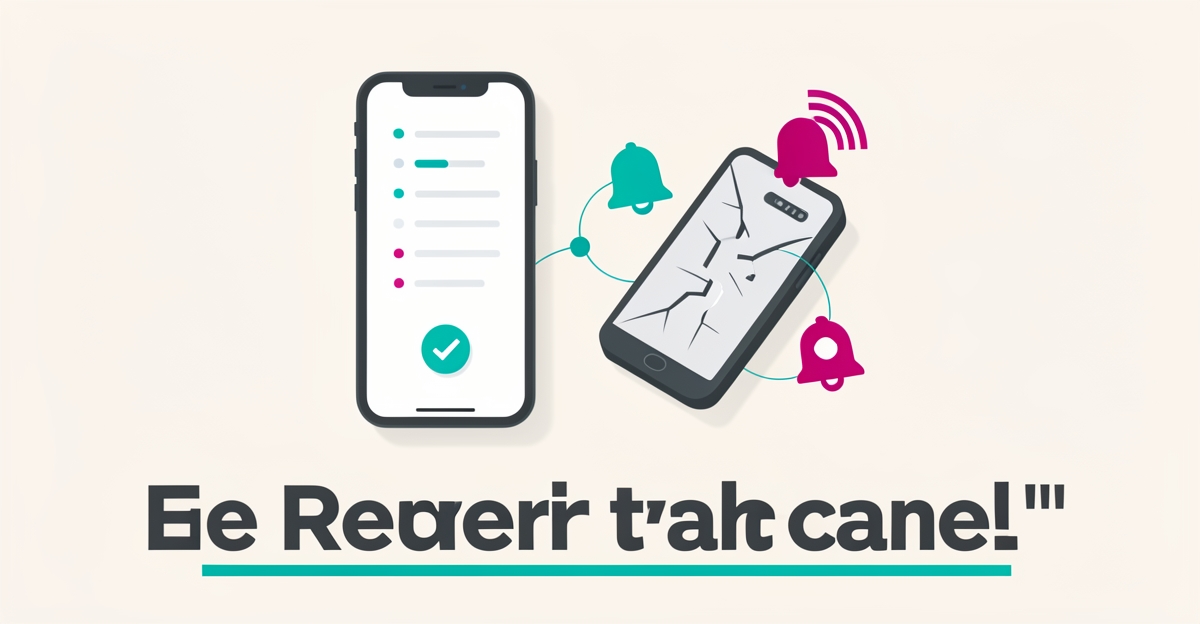
- Automated alerts at every handoff (check-in, parts arrival, work started, completion) replace reactive phone chains
The shift is already measurable. One multi-location repair operation cut turnaround time by 55% while managing 400 repairs per month across 53 locations — growth that coincided with a 30% year-over-year increase. Standardizing on 5–8 clear status codes and enforcing mandatory updates at each handoff, as CMMS best practices recommend, creates the data foundation that makes automated customer alerts reliable rather than noisy.
AI Business Sites builds this transparency directly into the website and CRM — so when a status changes in your pipeline, the customer gets an instant, personalized update via email or SMS without anyone lifting a finger. The automation handles routine communication while your team focuses on the exceptions that actually need human judgment.
Automating Trust: A Research-Backed Solution for Real-Time Updates
The shift from reactive phone calls to proactive, automated communication is no longer optional — it's the baseline for earning customer trust. When a status change in your CRM or work-order system instantly triggers a notification to the customer, you eliminate the silence that erodes confidence and the manual follow-up that drains your team. Research shows that businesses adopting this integrated approach see measurable gains: one multi-location operation reported a 55% reduction in repair turnaround time alongside 30% year-over-year growth after automating status updates across 53 locations (RepairDesk case studies).
The most effective implementations share three traits. First, they connect the notification layer directly to the system of record — CRM, CMMS, or field-service platform — so every handoff (parts ordered, technician dispatched, work started, approval needed, job complete) fires a customer-facing alert without human intervention. Second, they offer a self-service portal where customers choose how and when they're notified: SMS for urgent changes, email for daily digests, app push for real-time tracking (TillerStack). Third, they standardize a concise set of 5–8 status codes and enforce mandatory updates at each handoff, keeping the data clean enough to trust (Tractian CMMS best practices).
- CRM-integrated triggers that fire on status changes, approval requests, and scheduling events
- Customer portal with customizable notification preferences by channel and frequency
- Standardized status taxonomy (5–8 codes) with mandatory updates at every handoff
- Mobile-first technician apps with offline sync so field updates flow instantly to the CRM
- Human-in-the-loop controls for exceptions — cost changes, timeline shifts, approvals
AI Business Sites builds this automation into the website itself: the same platform that captures leads and manages projects also handles the notification sequences that keep customers informed from parts order to completion. The automation builder supports over 25 trigger types — including project events, approval requests, and scheduling changes — so routine updates run on autopilot while your team focuses on the exceptions that actually need judgment. The result is a repair experience where transparency isn't a manual effort — it's simply how the system works.
Local business: doing this the old way?
One system replaces the whole pile.
All of it — the website, the follow-up, the content, the leads — built and run for you for $1,497 + $497/mo. Month-to-month, and you own everything.
See what your build includesImplementing Real-Time Alerts: A Step-by-Step Action Plan
Implementing Real-Time Alerts: A Step-by-Step Action Plan
In today's service-driven economy, transparency is key to building trust with customers awaiting repairs. Automating real-time repair status alerts is no longer a luxury but a necessity. Here’s how to implement it seamlessly, grounded in actionable research insights:
1. Integrate Alerts with Your CRM/Work-Order System Automatically trigger customer notifications at every status update by integrating your alert system with the CRM or work-order management platform. Autorox highlights how this integration eliminates manual steps, ensuring scalability and reducing staff workload source.
2. Offer a Self-Service Customer Portal Provide a portal where customers can manage their service, receive customizable notifications (SMS, email, app push, by stage or daily digest), reducing anxiety and follow-up calls. TillerStack notes this as a modern customer expectation for real-time updates and control source.
3. Standardize Repair Status Codes Adopt 5-8 concise status codes (e.g., "Received," "In Repair," "Ready for Pickup") and enforce updates at every handoff point, as recommended by Tractian for operational efficiency and reliable automation source.
4. Leverage Mobile-First Technician Apps Utilize apps with offline sync for technicians to update job statuses in real-time, triggering automatic customer alerts. TillerStack emphasizes the importance of such mobile solutions for streamlined field-to-customer communication source.
5. Implement Human-in-the-Loop Controls Automate routine updates but maintain human oversight for exceptions (e.g., cost changes, approvals), balancing efficiency with personal touch. Autorox suggests this approach for handling complex scenarios while automating the rest source.
Actionable Checklist:
- Integrate alert systems with your CRM for automated triggers
- Deploy a self-service portal with customizable notifications
- Standardize and enforce 5-8 key repair status codes
Real-World Impact:
- RepairDesk reports a 55% reduction in repair turnaround time and 30% year-over-year growth for businesses adopting automated status update systems source.
- Ensure Services sees reduced customer anxiety and fewer follow-up calls with online case tracking and customizable alerts source.
By following these steps, businesses can not only meet but exceed customer expectations, fostering trust and loyalty through transparent, real-time communication. AI Business Sites, with its integrated automation capabilities, facilitates this seamless implementation, ensuring your website doesn’t just inform but actively manages the customer experience.
Frequently Asked Questions
How do real-time repair status alerts actually reduce customer anxiety?
What kind of results can businesses expect from automating repair status updates?
Do I need to replace my current CRM or work-order system to use automated status alerts?
What do customers really want when it comes to repair status updates?
Is automating repair status updates only for large businesses with many locations?
What’s the risk of not automating repair status updates in today’s market?
From Silence to Service: Turning Transparency into Trust
Automating real-time repair status alerts transforms customer anxiety into confidence by replacing reactive phone calls with proactive, automated communication. By integrating status updates directly from your CRM, offering a self-service portal, standardizing 5–8 repair codes, and maintaining human oversight for exceptions, businesses reduce follow-up calls, accelerate approvals, and build lasting loyalty — as seen in the 55% faster turnaround and 30% year-over-year growth reported by multi-location operations using these systems. The result isn’t just happier customers; it’s a smoother operation where your team focuses on skilled work, not status chasing. Ready to make transparency effortless? See how AI Business Sites builds this automation into your website so every update runs on autopilot — learn more from real-world results.
FOR local businesss — BUILT AND RUN BY US
Your website. Your content. Your leads. Your data.
$500 starts your build. Seven days later it's live — chat, booking, follow-up, and your Google presence all set up. Then we run it, every month. You do the work you actually get paid for.