
Key facts
- 74% of new webpages now include AI content according to Ahrefs.
- AI-human collaboration cuts content creation time from 8–12 hours to just 1–3 hours per ContentPen research.
- End-to-end AI automation can generate a blog post in as little as 10 minutes via multi-agent platforms.
- Businesses publishing 2–3 high-quality posts weekly see local SEO improvements within 3–6 months per SearchQuest.
- Google AI Overviews synthesize data from Business Profiles, website content, and reviews to answer complex local queries per SearchQuest.
- Structured data like FAQ schema improves AI comprehension of location-specific farming questions per Cingularis.
- Multi-agent AI platforms reduce seasonal content creation time by 75% while maintaining EAT standards per ContentPen.
WANT RESULTS LIKE THIS?
Imagine a system doing all of this for your local business — every day, without you.
We build local businesses a custom website with a team of AI behind it: every lead captured and followed up, new content published monthly,customers finding you on Google — live in 7 days.
- 85+ pages at launch
- Every lead followed up, automatically
- Your whole business on one screen
Farmers Search Seasonal Questions—Your Website Isn’t Answering Them
Farmers don't browse the web casually — they search with urgency. When a combine throws a code two weeks before harvest, or a planter needs calibration before the planting window closes, the query is specific, local, and time-sensitive: "combine repair near me before harvest" or "spring tractor maintenance checklist for Zone 5."
Generic websites miss this traffic entirely. They publish evergreen content that ranks for broad terms but fails to answer the detailed, seasonal questions farmers actually type into search. Research shows that successful local SEO now requires content that answers specific, detailed customer questions in a conversational tone — like "What are the best practices for servicing tractors before the spring planting season in [Region]?" — not generic service pages.
- Equipment maintenance tied to regional planting and harvest windows
- Crop-specific timing for inputs, scouting, and harvest decisions
- Weather preparedness based on local frost dates and climate normals
- Regulatory deadlines that shift by county and season
Google's AI Overviews now synthesize data from Google Business Profiles, website content, and reviews for complex local queries, making this specificity more critical than ever. Yet most agricultural websites lack the structured, seasonal content that feeds these answers. 74% of new webpages now include AI content, but without local grounding, it's indistinguishable from competitor output.
The solution isn't more content — it's the right content at the right time. AI Business Sites builds websites that automatically generate blog posts, service pages, and location pages aligned to your region's farming cycles. Our AI content engine researches local weather norms, crop calendars, and equipment service intervals, then publishes 2–3 high-quality pieces per week — the consistency that signals an active, trustworthy site to search engines. Human editors layer in dealer references, recent weather events, and on-farm language so every post carries real Expertise, Authority, and Trust.
Most businesses see measurable local SEO improvements within 3–6 months when publishing stays consistent and locally grounded. Your website shouldn't just sit there between seasons — it should answer the questions farmers are asking right now.
Build a Seasonal Content Calendar Grounded in Real Farming Data
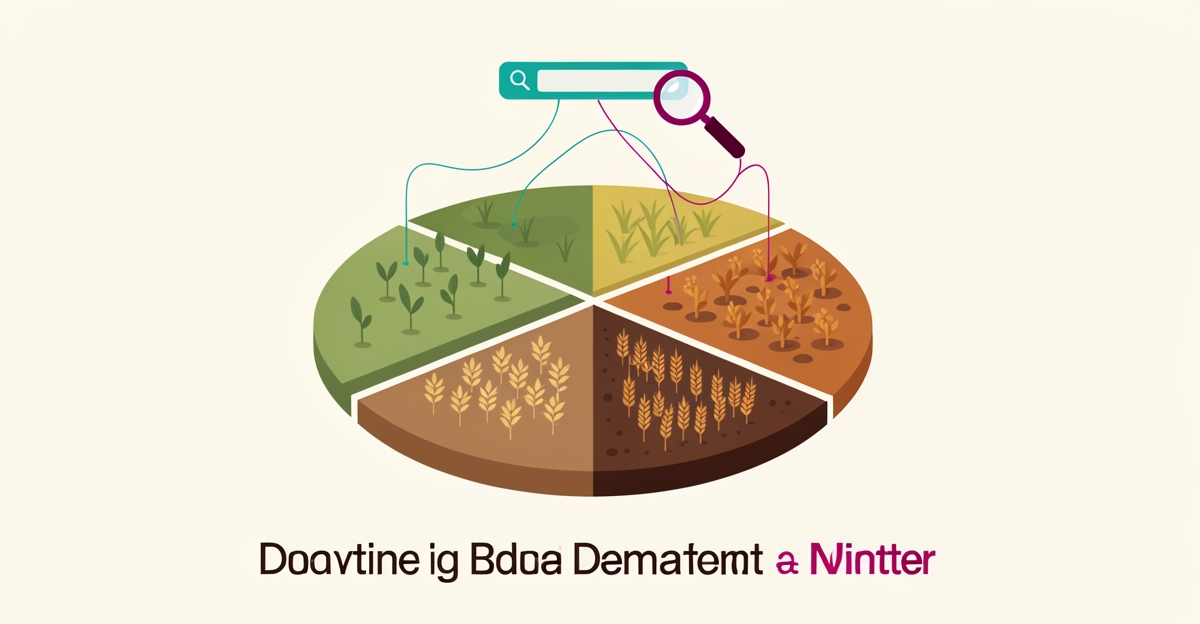
Building a seasonal content calendar that resonates with farmers starts with understanding their year-round workflow—planting, growing, harvest, and post-harvest activities vary by region and crop type, creating predictable search patterns. AI-powered systems can align content with these cycles by integrating regional crop calendars, climate normals, and equipment service schedules into multi-agent workflows that research, draft, and optimize posts automatically. This ensures every piece addresses timely, location-specific questions like when to service a tractor before spring planting in Iowa or how to prepare grain bins for fall harvest in the Midwest.
To structure this effectively, map four to six key farming phases per region and assign three to five content topics to each—such as equipment maintenance, input timing, weather readiness, or regulatory deadlines. Feed these as structured prompts into an AI content engine with specialized agents for research, outlining, writing, SEO, and review. According to industry research, this multi-agent approach reduces content creation time from 8–12 hours to just 1–3 hours, with end-to-end automation enabling a full blog post in as little as 10 minutes from keyword to publish.
Grounding AI-generated content in verifiable regional data is essential for demonstrating Expertise, Authority, and Trust (EAT). Source USDA planting zone maps, NOAA climate normals, state extension service crop calendars, and OEM equipment maintenance intervals, then structure them as JSON or CSV feeds to inject into AI prompts. For example, using FAQ schema for questions like “When should I service my combine in Zone 5?” helps AI interpret and respond accurately to local search intent. As noted in local SEO guidance, structured data improves AI comprehension and strengthens geographic relevance.
Finally, maintain consistency by scheduling 2–3 high-quality posts per week per region, with human editors refining AI drafts to include farm-specific details—local dealer references, recent weather events, or on-farm anecdotes. This balance of AI efficiency and human insight ensures content remains authentic, useful, and aligned with what farmers are actually searching for throughout the year. Over time, this approach builds topical authority and supports stronger local search performance, with measurable SEO improvements typically visible within 3–6 months.
Turn Data into SEO-Rich Blog Posts in Minutes—Without Writing Them
Farmers don’t have time to hunt for seasonal advice—they need it when the soil thaws or the combine starts sputtering. AI Business Sites turns local data like regional frost dates and equipment service intervals into SEO-rich blog posts that answer exactly those questions, automatically.
The process starts with research: pulling USDA planting zone data, NOAA climate normals, and OEM maintenance schedules into structured prompts that ground every post in verifiable regional specifics. Multi-agent AI platforms then handle outlining, drafting, and SEO optimization—reducing content creation time from 8–12 hours manually to just 1–3 hours with human collaboration. End-to-end automation can generate a full blog post in as little as 10 minutes from keyword to publish.
Each draft follows a farmer-focused tone, addressing real seasonal pain points like “When should I service my tractor before planting in Zone 4?” or “How to prepare harvest equipment for an early frost in Saskatchewan?” Human editors then review for EAT—adding local dealer references, recent weather events, and on-farm anecdotes that generic AI would miss. This blend of AI efficiency and human expertise ensures content stands out from thin, duplicated material while strengthening local relevance.
Finally, automatic internal linking connects each new post to evergreen service pages, building topical clusters that Google rewards. With consistent publishing—2–3 high-quality posts per week—farmers find timely, location-specific advice exactly when they need it, keeping your site active and trustworthy all year long. This consistency signals an active website, improving local search visibility without manual effort.
Local business: doing this the old way?
One system replaces the whole pile.
All of it — the website, the follow-up, the content, the leads — built and run for you for $1,497 + $497/mo. Month-to-month, and you own everything.
See what your build includesFeed Google AI Overviews with Local Signals—Not Just Keywords
Feed Google AI Overviews with Local Signals—Not Just Keywords
As farmers search for season-specific advice, like "when to service tractors in Ohio before spring planting," Google's AI Overviews play a crucial role in surfacing relevant content. Unlike traditional search results, these AI-generated summaries pull from Google Business Profiles (GBPs), local content, and reviews to answer complex, location-based queries source. For agricultural businesses, optimizing these signals is key to matching searches with harvest cycles.
Actionable Steps to Optimize for Seasonal Farm Searches
- Seasonal GBP Updates: Post monthly tips on your GBP, such as "Pre-Harvest Equipment Checklist for [Region]" to keep your profile active and relevant. Google incorporates these updates into its Search Generative Experience source.
- Location Pages with Cycle-Specific Content: Create pages like "Spring Planting Services in [County]" and embed FAQ schema for questions like "When should I service my combine in Zone 5?" source.
- Review Management for Seasonal Relevance: Encourage customers to leave reviews mentioning seasonal services (e.g., "Excellent pre-planting tractor maintenance!"). Respond to all, highlighting your expertise source.
Leveraging AI for Consistent, High-Quality Content
AI content engines can generate 2-3 high-quality, seasonal posts per week source, signaling an active, trustworthy site. For example, an AI might draft "Post-Harvest Storage Tips for [Crop] in [Region]" based on structured prompts including local frost dates and equipment storage best practices. Human editors then add farm-specific insights, ensuring Expertise, Authority, and Trust (EAT) source.
AI Business Sites Advantage
By integrating seasonal content calendars with AI-driven website platforms like AI Business Sites, agricultural businesses can automatically generate, publish, and optimize content around farming cycles. This approach not only feeds Google AI Overviews with the right local signals but also keeps the site relevant year-round, aligning searches with the ever-changing needs of the agricultural season.
Keep Your Content Fresh Year-Round—Set It and Forget It
Farmers don’t have time to chase trends—they need answers tied to the calendar. When a farmer in Iowa searches for "when to service my planter before spring planting," your post should be the first result with a clear, actionable answer. The challenge isn’t just publishing; it’s publishing at the right time, every season, without drowning in manual work. That’s where automation steps in.
An AI assistant can maintain a steady rhythm of seasonal content by scheduling recurring posts tied to crop cycles, regional weather patterns, and equipment maintenance windows. Set it once, and the system generates weekly tips, monthly deep dives, or quarterly guides—all linked to your existing service pages to strengthen your topical authority. As new content goes live, the AI automatically updates older posts with fresh links, keeping your internal linking tight without lifting a finger. This isn’t just about saving time; it’s about ensuring your site stays relevant when farmers are searching.
Research shows consistent publishing signals trust to both users and search engines. Sites that post 2–3 times per week see measurable local SEO improvements within 3–6 months, while those with sporadic updates fall behind. Industry data confirms that consistency over volume builds authority faster than sporadic bursts of content. With an AI content engine, you can hit that cadence effortlessly—no blank pages, no missed cycles.
Here’s how it works behind the scenes:
- Automated seasonal calendars map to your region’s planting, growing, and harvest windows, triggering content creation 4–6 weeks in advance.
- Every new post gets AI-placed internal links to relevant service pages and older seasonal content, reinforcing topical clusters.
- Older posts are automatically updated with links to newer content, keeping your link structure fresh and your site’s topical authority high.
The result? A website that runs itself—answering seasonal questions, capturing leads, and ranking higher—while you focus on running your business. Most websites are something you have to feed. This one feeds itself.
Frequently Asked Questions
What kind of seasonal questions do farmers actually search for online?
How can my website answer seasonal farm questions when I don't have time to write new content every week?
Will AI-generated content hurt my site's credibility with farmers?
Do I really need to publish 2–3 posts per week? Isn’t that too much?
How do I make sure my website answers questions like 'When should I service my combine in Zone 5?'
Can AI really tailor content to farming cycles in my region? What data does it use?
Harvesting Visibility: Where AI Meets Seasonal Farming SEO
By leveraging AI to generate content aligned with farming cycles, agricultural businesses can significantly boost their local SEO visibility. Key takeaways include building seasonal content calendars grounded in regional data, utilizing multi-agent AI workflows for efficient content creation, and optimizing Google Business Profiles with cycle-relevant updates. For actionable next steps, start by mapping your region's critical farming phases and assign 3-5 content topics per phase. Then, integrate local data (weather norms, crop calendars, equipment schedules) into AI prompts. Finally, publish consistently (2-3 high-quality posts/week) with human oversight to add farm-specific expertise. See how AI-driven local SEO strategies can transform your online presence within 3-6 months. Reach out to AI Business Sites to explore how automated, regionally grounded content can keep your site active, trustworthy, and ranking higher throughout the year.
FOR local businesss — BUILT AND RUN BY US
Your website. Your content. Your leads. Your data.
$500 starts your build. Seven days later it's live — chat, booking, follow-up, and your Google presence all set up. Then we run it, every month. You do the work you actually get paid for.