
Key facts
- 82% of restaurant executives plan to increase AI investments according to Deloitte research
- Only 9% of restaurants currently use generative AI daily for menu optimization
- 40% of restaurants plan to deploy AI for personalized marketing as reported by Hotel Propeller
- Static menus can't reflect daily ingredient costs or neighborhood demand shifts
- AI-powered menu generation reduces waste and optimizes supply chain logistics
- Hybrid menu strategies preserve authenticity while enabling AI experimentation
- AI analyzes local search trends and demographic shifts to create location-specific menus
WANT RESULTS LIKE THIS?
Imagine a system doing all of this for your local business — every day, without you.
We build local businesses a custom website with a team of AI behind it: every lead captured and followed up, new content published monthly,customers finding you on Google — live in 7 days.
- 85+ pages at launch
- Every lead followed up, automatically
- Your whole business on one screen
The Menu Conundrum: Balancing Preference and Efficiency
Creating a menu that satisfies local cravings while keeping the kitchen running smoothly is one of the toughest balancing acts in the restaurant business. Most operators rely on intuition, seasonal guesswork, or static PDFs that haven't changed in years — leaving money on the table when diners' tastes shift. The gap between what a neighborhood actually wants and what gets printed on the menu is where revenue quietly slips away.
Research shows that 82% of restaurant executives plan to increase AI investments, yet only 9% use generative AI daily for tasks like menu optimization (Deloitte). Meanwhile, 40% of restaurants plan to deploy AI for personalized marketing (Hotel Propeller), signaling a clear intent to move beyond one-size-fits-all menus. The problem isn't awareness — it's execution. Most independent restaurants lack the data infrastructure to analyze local ordering patterns, seasonal ingredient availability, and competitor pricing in real time.
- Static menus can't reflect daily ingredient costs or neighborhood demand shifts
- Manual analysis of POS data, reviews, and local trends takes hours most owners don't have
- Printed menus create waste and lock in pricing errors for months
- Generic "local favorite" claims rarely match actual ordering data
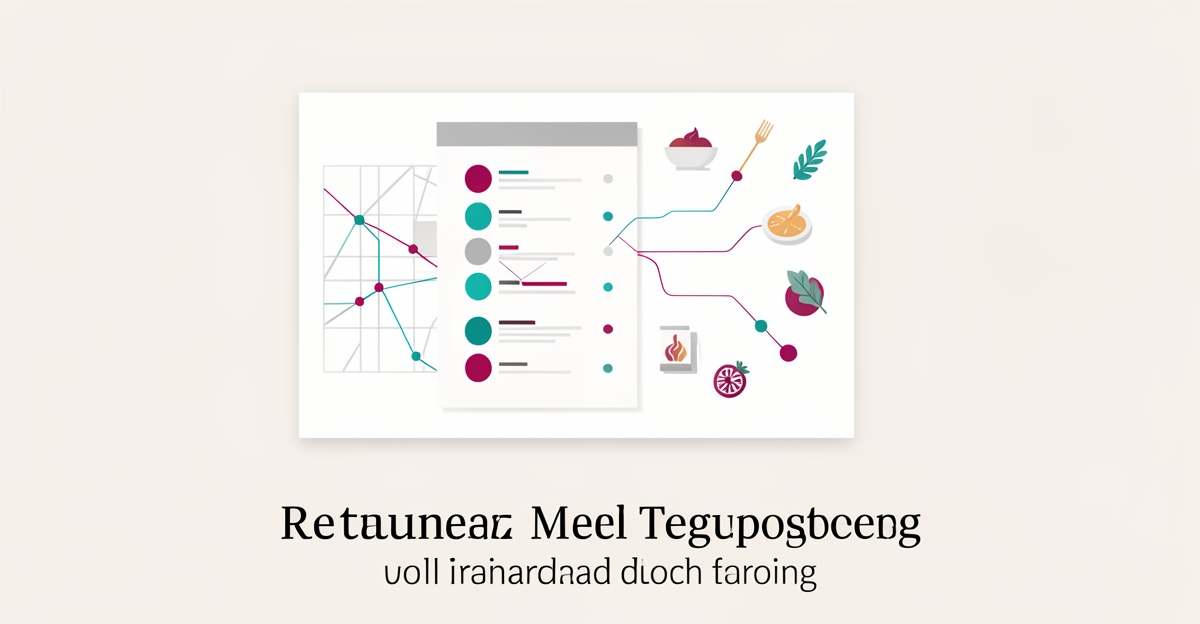
This is where AI-powered content generation changes the equation. Instead of guessing, restaurants can feed live data — local search trends, seasonal produce calendars, neighborhood demographic shifts — into a system that rewrites menu descriptions, highlights high-margin dishes, and even generates location-specific landing pages automatically. AI Business Sites builds this capability directly into the website platform, so every menu update is grounded in actual customer behavior rather than last year's bestseller list. The result: a menu that reads like it was written for the block you're on, not a template from a corporate test kitchen.
AI-Powered Solution: Leveraging Local Data for Dynamic Menus
AI-Powered Solution: Leveraging Local Data for Dynamic Menus
In the pursuit of culinary excellence and customer satisfaction, restaurants are now turning to Artificial Intelligence (AI) to generate menus that resonate with local preferences. This innovative approach not only enhances personalization but also streamlines operational efficiency. According to a recent industry report (Deloitte), 82% of restaurant executives plan to increase AI investments, reflecting a significant shift towards data-driven decision-making.
-
Local Preference Analysis: AI algorithms analyze historical customer data, online reviews, and social media feedback to identify trending flavors, dietary preferences, and seasonal demands specific to the neighborhood. For instance, a restaurant in a health-conscious neighborhood might use AI to highlight more plant-based options.
-
Dynamic Menu Creation: Leveraging the insights gained, AI generates dynamic menus that can be updated in real-time to reflect current tastes and trends. This approach ensures menus remain relevant and appealing to the local clientele.
-
Operational Efficiency: AI streamlines inventory management by predicting demand based on menu item popularity, reducing waste, and optimizing supply chain logistics. Restaurant Technology News (2025 Report) highlights how generative AI powers smarter menus and streamlined operations.
-
Personalization Power: A study by Hotel Propeller (2023) shows how AI-driven personalization enhances customer satisfaction and loyalty, with 40% of restaurants planning to use AI for personalized marketing.
-
Operational Benefits:
- Predictive Inventory Management: Reduces waste and costs.
- Real-Time Menu Updates: Ensures relevance to current local preferences.
- Enhanced Customer Experience: Through tailored offerings and efficient service.
-
Challenges and Solutions: While AI-Menu.com (Comparative Analysis) notes implementation costs as a barrier, especially for small restaurants, strategic investment in AI can yield long-term benefits. Balancing AI-generated menus with traditional approaches, as suggested by the analysis, maintains authenticity while catering to diverse preferences.
Despite the allure of AI-generated menus, experts emphasize the importance of balancing technology with human intuition and traditional culinary expertise. NRN (Restaurant Technology News) suggests that while AI drives efficiency, the human touch is crucial for creating an authentic dining experience.
As the restaurant industry embraces AI, the future looks promising for those who leverage local data effectively. With only 9% of restaurants currently using generative AI daily (Deloitte Insights), there's ample room for innovation and growth in AI-powered menu generation tailored to neighborhood preferences.
By integrating AI solutions like those provided by AI Business Sites, restaurants can enhance their online presence with dynamic, data-driven menus that attract and retain local customers, all while streamlining backend operations for a more efficient business model.
Local business: doing this the old way?
One system replaces the whole pile.
All of it — the website, the follow-up, the content, the leads — built and run for you for $1,497 + $497/mo. Month-to-month, and you own everything.
See what your build includesImplementing AI Menu Generation: Practical Steps for Restaurants
Getting started with AI-driven menu generation doesn't require a massive technology overhaul — it starts with understanding what data you already have and where the gaps are. Most full-service restaurants sit on years of POS history, reservation patterns, and customer feedback that an AI system can analyze for local preference signals. According to Deloitte research, 82% of restaurant executives plan to increase AI investments, yet only 9% currently use generative AI daily — highlighting a clear readiness gap between ambition and execution.
- Audit your existing data sources: POS transactions, loyalty program insights, online reviews, and seasonal sales patterns
- Identify technology infrastructure gaps — many independent restaurants lack the integration layer needed for real-time AI analysis
- Start with a hybrid menu strategy: keep printed classics while testing AI-optimized digital specials that update weekly
- Train front-of-house staff to explain the AI-enhanced sections as "chef's recommendations based on what neighbors love"
- Measure impact through dish-level sales velocity and repeat-order rates, not just overall revenue
The hybrid approach matters because it preserves the authenticity diners expect while creating a controlled environment for AI experimentation. Research from AI-Menu.com confirms that balancing digital innovation with traditional presentation caters to diverse customer preferences across age groups and dining occasions. For restaurants using platforms like AI Business Sites, the content engine can automatically generate updated menu descriptions and seasonal landing pages grounded in actual sales data — turning each menu cycle into fresh SEO content that captures local search traffic. With 40% of restaurants planning AI for personalized marketing per Hotel Propeller, the competitive advantage belongs to operators who move from planning to pilot now, using their own neighborhood data as the differentiator no chain can replicate.
Frequently Asked Questions
How many restaurants are actually using AI to create menus right now?
Can AI really figure out what my specific neighborhood wants to eat?
Is AI menu generation too expensive for a small independent restaurant?
Will AI-generated menus make my restaurant feel less authentic or personal?
What kind of data do I need to start using AI for my menu?
How does AI menu generation help with food waste and inventory costs?
Key Takeaways
{ "title": "Harvesting Local Flavors: The Future of AI-Driven Menus", "content": "As the restaurant industry continues to evolve, leveraging AI to generate menus that mirror local customer preferences is no longer a novelty but a strategic necessity. By bridging the gap between culinary intuition an
FOR local businesss — BUILT AND RUN BY US
Your website. Your content. Your leads. Your data.
$500 starts your build. Seven days later it's live — chat, booking, follow-up, and your Google presence all set up. Then we run it, every month. You do the work you actually get paid for.