
Key facts
- 84% of consumers search for local businesses daily, with 39% of searches having local intent according to Salesgenie
- 27.2% of U.S. search traffic is zero-click, requiring direct service area visibility as per Salesgenie
- Google's local algorithm acts as a sophisticated entity matching engine, prioritizing relevance over keywords per Search Engine Journal
- Service area pages with simple templates face indexing issues, needing 50% brand-consistent and 50% dynamic local data as noted by Search Engine Journal
- LocalBusiness schema is required on each service area page, not Organization schema, for proper entity disambiguation according to Search Engine Journal
- Google AI Overviews are used by 1+ billion people, emphasizing the need for earlier-stage discovery content as reported by Salesgenie
WANT RESULTS LIKE THIS?
Imagine a system doing all of this for your local business — every day, without you.
We build local businesses a custom website with a team of AI behind it: every lead captured and followed up, new content published monthly,customers finding you on Google — live in 7 days.
- 85+ pages at launch
- Every lead followed up, automatically
- Your whole business on one screen
The Hidden Cost of Poor Service Area Visibility
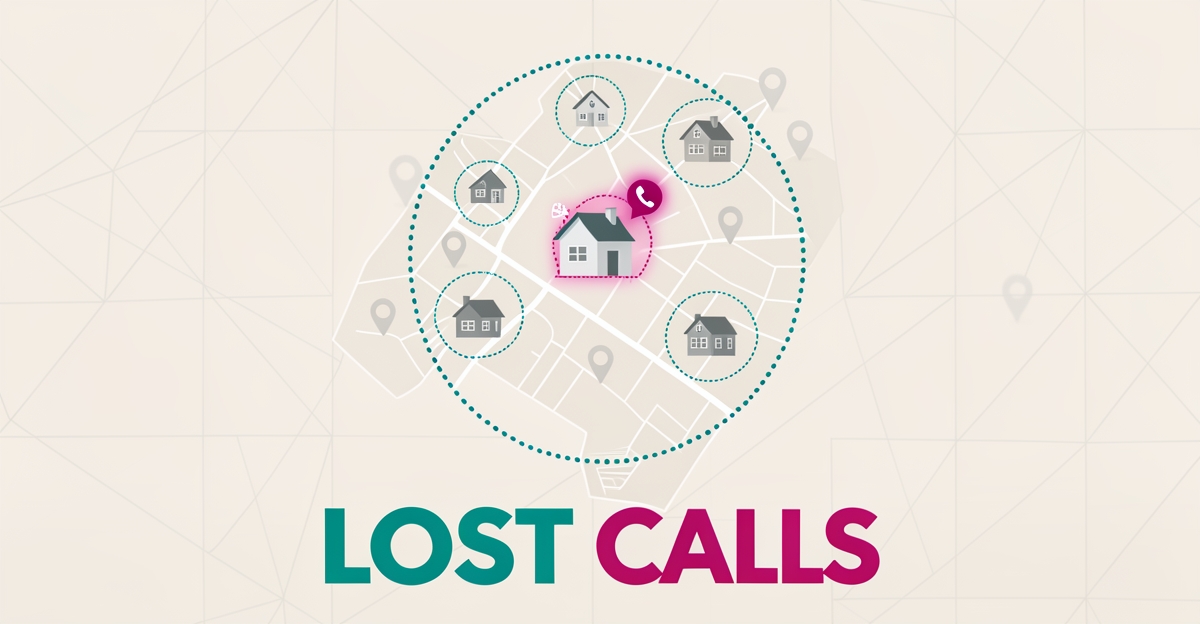
Many wildlife removal businesses lose leads not because of poor service quality, but because their websites fail to clearly communicate where they operate. Vague service area descriptions—like "serving the Greater Toronto Area" without specifics—create confusion for both customers and search engines, directly impacting visibility and call volume.
This problem is amplified by how consumers search today: 84% of consumers search for local businesses daily, and 39% estimate that at least 41% of their searches have local intent. When a website doesn’t specify exact postcodes, travel boundaries, or regional case studies, it misses these high-intent moments—especially as 27.2% of U.S. search traffic is now zero-click, meaning users often get answers directly in search results without ever visiting a site.
Without clear, location-specific signals, search algorithms struggle to match the business to relevant queries. As noted by industry analysis, location pages using simple city-name-swapped templates face indexing stability issues because search engines now apply a high-quality threshold that demands genuine local relevance—not just swapped keywords.
- Missing served postcodes or travel boundaries on service area pages
- Using brick-and-mortar templates (addresses, store hours) for mobile wildlife removal services
- Lack of embedded local reviews, regional FAQs, or real photos of work in specific areas
- Inconsistent service area descriptions across Google Business Profile, website, and citations
- Relying on generic, thin content under 500 words that fails to meet quality thresholds
These gaps fracture the business’s entity authority online, causing AI systems and local algorithms to overlook individual service areas—even if the brand is strong elsewhere. For wildlife removal companies, where trust and immediacy are critical, poor service area visibility doesn’t just reduce rankings—it sends ready-to-book customers straight to competitors who make it clear, “We’re in your neighborhood.”
Science of Service Area Visibility: What Google & Users Expect
Science of Service Area Visibility: What Google & Users Expect
Wildlife removal websites often lose calls to competitors due to poor service area visibility. Understanding the science behind this visibility is key to reversing the trend. Google and users expect clear, structured communication of service zones, backed by technical SEO and user-friendly design.
1. Entity Matching Over Keywords Google's local algorithm now acts as a "sophisticated entity matching engine" (Search Engine Journal), evaluating service-area businesses based on relevance, distance, and prominence. For wildlife removal services, this means clearly defined travel boundaries and served postcodes are crucial, not just keyword optimization.
2. The High-Quality Service Area Page Threshold Location pages with simple city-name-swapped templates face indexing issues (Search Engine Journal). To avoid this, pages must include:
- Locally specific services (e.g., species handled in each area)
- Embedded local reviews from that service area
- Area-specific FAQs (e.g., regional wildlife control regulations)
AI-driven content systems can generate these pages at scale while maintaining brand consistency.
3. Schema Markup for Entity Disambiguation Using LocalBusiness schema (not Organization schema) on each service area page with unique geo-coordinates, NAP, and sameAs property linking to verified Google Business Profile (GBP) URLs is essential for entity disambiguation (Search Engine Journal). This ensures AI systems and search algorithms confidently match your business across the web.
Actionable Insight from the Data:
- 84% of consumers search for local businesses daily (Salesgenie), highlighting the need for consistent, clear service area communication.
- LocalBusiness schema ensures your business is recognized as a distinct entity in each service area, improving visibility.
How AI-Driven Content Addresses the Gap AI Business Sites leverages AI to automatically generate accurate, location-specific service area pages that meet Google's and users' expectations. These pages are:
- Built with a fixed/variable page architecture (50% brand-consistent, 50% dynamically populated local data)
- Optimized with LocalBusiness schema for each service area
- Ensured entity disambiguation through consistent NAP across GBP, schema, and website footer
By addressing these key signals, wildlife removal websites can significantly improve their service area visibility, reducing lost calls to competitors.
Example of AI-Generated Service Area Page Element: "For [Service Area Name], our wildlife removal team specializes in [Local Species Handling] with [Regional Regulation Compliance]. View our [Embedded Local Reviews] or contact us directly for [Click-to-Call/Map Integration]."
Call to Action for Readers: Audit your service area pages today against these standards. If your website falls short, consider leveraging AI-driven content solutions to automatically enhance your visibility and start capturing more leads.
Local business: doing this the old way?
One system replaces the whole pile.
All of it — the website, the follow-up, the content, the leads — built and run for you for $1,497 + $497/mo. Month-to-month, and you own everything.
See what your build includesImplementing AI-Driven Service Area Pages for Immediate Impact
Most wildlife removal businesses know they need location pages — but the gap between "having pages" and "having pages that rank" is where calls slip away to competitors. Search engines now apply a high-quality threshold that filters out thin, city-name-swapped templates, especially for less-frequented areas, because location pages using simple templates face indexing stability issues. The fix isn't more pages — it's the right architecture.
The recommended structure splits each page roughly 50/50: half brand-consistent framework (your services, process, guarantees), half dynamically populated local proof (served postcodes, regional case studies, travel boundaries, local wildlife FAQs, embedded reviews, real photos from that area). AI Business Sites builds this fixed/variable architecture directly into the website, so every new service area page launches with the structure Google's entity matching engine expects — without manual page building.
Three technical foundations make this work at scale:
- LocalBusiness schema (not Organization schema) on every service area page, with unique geo-coordinates for the service center and a sameAs link to the verified GBP
- Character-for-character NAP alignment across the GBP service area settings, the page's structured data, and the visible footer text — the three points search algorithms and AI systems use for entity disambiguation
- Mobile-first page experience with click-to-call, embedded maps, and area-specific FAQs that answer the earlier-stage queries AI Overviews now surface for ~15–25% of keywords
The content engine behind AI Business Sites generates the variable half of each page — regional case studies, local species FAQs, review feeds, photo galleries — grounded in your actual service records and GBP data. Older pages automatically receive links to newer ones, and the internal link structure improves on its own. You don't write a word unless you want to.
Meanwhile, the same system keeps your GBP profiles active with fresh photos, review responses, and service area updates — because profiles untouched for more than a month often see search view drops. The website handles the busywork; you handle the jobs.
Frequently Asked Questions
Why is my wildlife removal website not showing up in local searches even though I serve multiple areas?
What’s the difference between a City Page and a Service Area Page, and why does it matter for my wildlife removal business?
How important is it to list exact postcodes or travel boundaries on my service area pages?
Can I use the same Organization schema on all my location pages, or do I need something different?
How do I know if my NAP information is consistent enough to help my local rankings?
Will adding more location pages automatically improve my visibility, or do they need to meet a quality standard?
Key Takeaways
{ "title": "Seal Your Territory: Why Clear Service Areas Are Your Wildlife Removal Business's Lifeline", "content": "The silent competitor for wildlife removal businesses isn’t another company—it’s the lack of clear service area visibility. As we’ve seen, vague descriptions and generic templates don
FOR local businesss — BUILT AND RUN BY US
Your website. Your content. Your leads. Your data.
$500 starts your build. Seven days later it's live — chat, booking, follow-up, and your Google presence all set up. Then we run it, every month. You do the work you actually get paid for.