
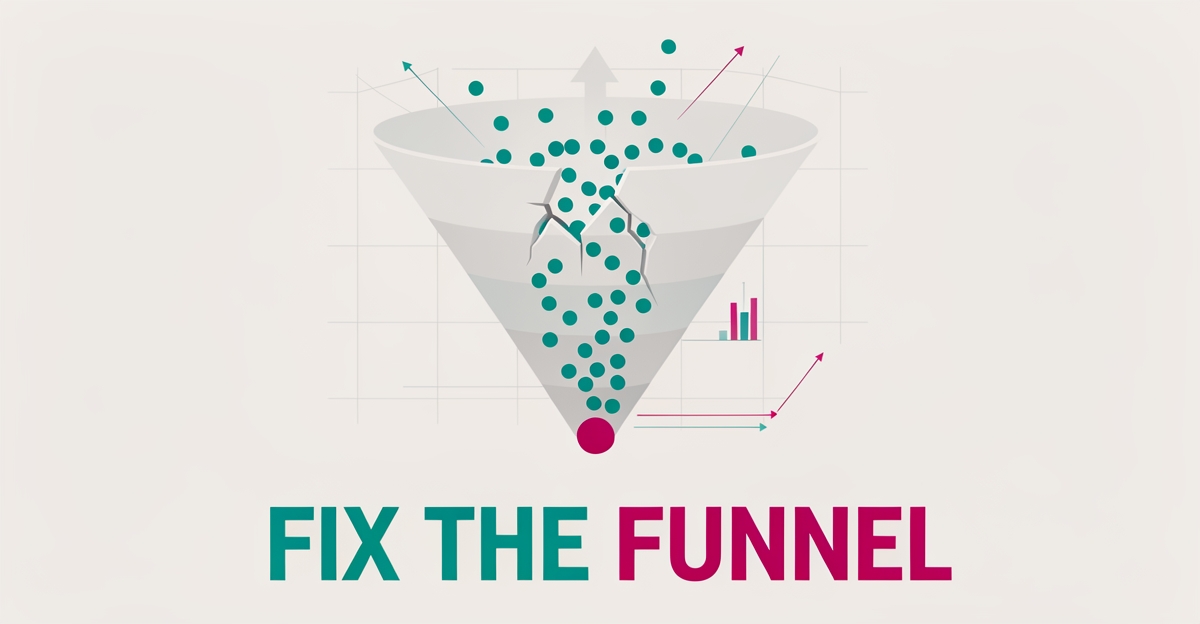
Key facts
- Timeshare websites face an alarming 82.58% average bounce rate, significantly higher than the 50.9% cross-industry average according to Matomo.
- The timeshare industry is projected to reach $23.7 billion by 2032, growing at an 8% CAGR as per GM Insights.
- Top-performing websites achieve conversion rates of 5.31% or higher, compared to the average 2.35% Matomo reports.
- 93% of Americans plan to travel in 2026, with lodging being a primary concern according to Markets Insider.
- Personalized calls-to-action (CTAs) perform 202% better than basic CTAs as found by Matomo.
- Timeshare occupancy rates surpassed hotel occupancy in 2024, reaching 80% compared to hotels' 63% per ARDA.
- Nearly 80% of timeshare owners carry no loan balance, traveling with pre-paid products as reported by ARDA.
WANT RESULTS LIKE THIS?
Imagine a system doing all of this for your local business — every day, without you.
We build local businesses a custom website with a team of AI behind it: every lead captured and followed up, new content published monthly,customers finding you on Google — live in 7 days.
- 85+ pages at launch
- Every lead followed up, automatically
- Your whole business on one screen
The Conversion Crisis in Timeshare Websites
The Conversion Crisis in Timeshare Websites
The timeshare industry, boasting strong fundamentals with occupancy rates surpassing those of hotels (80% vs 63% in 2024) and a projected growth to $23.7 billion by 2032, faces a critical challenge: converting website visitors into bookings. Despite the industry's robust market presence, timeshare websites struggle with alarmingly high bounce rates, averaging 82.58%, significantly higher than the 50.9% average across all industries. This phenomenon indicates a failure to engage visitors effectively from the outset.
Key Statistics Highlighting the Crisis
- High Bounce Rates: The travel industry's exceptionally high bounce rate of 82.58% underscores the immediate need for improvement in first-impression user experience for timeshare websites (Source: Matomo Conversion Rate Optimization Statistics).
- Conversion Rate Potential: Top-performing websites achieve conversion rates of 5.31% or higher, suggesting significant room for improvement in the timeshare sector (Source: Matomo Conversion Rate Optimization Statistics).
- Market Demand: With 93% of Americans planning to travel in 2026 and lodging being a primary concern, clear and compelling website experiences are crucial (Source: Markets Insider).
Impact on Business and Solutions
The high bounce rates and low conversion rates directly impact revenue and competitiveness. To mitigate these issues, timeshare websites can leverage data-driven solutions:
- Transparent Pricing and Real-Time Availability: Display clear, comparative pricing (e.g., "up to 70% off") and ensure real-time inventory updates to build trust and prevent double bookings, as highlighted by successful platforms (Source: Markets Insider).
- Enhanced Property Details and Trust Signals: Provide comprehensive property specifications and leverage verified payment protections and third-party accreditations (e.g., A+ BBB ratings) to increase booking confidence.
- Streamlined Booking with Smart Upsells: Implement frictionless booking processes with personalized calls-to-action, which can perform 202% better than basic CTAs (Source: Matomo Conversion Rate Optimization Statistics), and offer smart upsell prompts to enhance the user experience.
Natural Business Integration Example: AI Business Sites, with its custom website solutions, can help mitigate these conversion challenges. For instance, its real-time availability updates and smart upsell prompts can directly address the issues of unclear pricing and missing availability, potentially reducing bounce rates and increasing conversions. By integrating these features seamlessly into a timeshare website, the platform can enhance the user experience, build trust, and encourage more bookings.
The conversion crisis in timeshare websites is palpable, but by addressing the root causes with data-driven, user-centric strategies, the industry can capitalize on its strong market fundamentals and meet the growing demand for vacation ownership options effectively.
Data-Driven Diagnostics: The 7 Conversion Killers
The timeshare industry boasts impressive fundamentals—80% occupancy rates in 2024 compared to hotels' 63%, with the market projected to reach $23.7 billion by 2032—yet most timeshare websites bleed visitors before they ever reach a booking form. The average travel site sees a staggering 82.58% bounce rate, nearly double the cross-industry average, signaling that critical first-impression failures stop conversions cold. According to conversion rate optimization research, top-performing websites achieve 5.31% conversion rates while the average sits at 2.35%, but less than one in five marketers actively test their landing pages.
Seven specific conversion killers consistently undermine timeshare websites:
- Unclear pricing structures that hide total costs until late in the funnel
- Missing real-time availability forcing visitors to inquire rather than book
- Poor image quality and insufficient property specifications
- Weak trust signals failing to overcome negative industry perceptions
- Cumbersome booking flows with generic calls-to-action
Personalized calls-to-action perform 202% better than basic CTAs, while user-generated content increases conversion likelihood by 102.4% when visitors encounter it. Successful platforms like RedWeek demonstrate that transparent pricing displays showing savings up to 70% off comparable accommodations, combined with verified payment protection holding funds until check-in, directly address the trust deficit that plagues the industry. Industry technology research confirms that real-time inventory management prevents double bookings and lost revenue, especially critical given the shortened 24-day average lead time to booking.
ARDA's 2024 report highlights that nearly 80% of timeshare owners carry no loan balance, traveling with pre-paid products that represent strong value propositions—if websites communicate them clearly. AI Business Sites builds timeshare websites with transparent pricing displays, comprehensive property specifications, and real-time availability updates that eliminate the guesswork driving visitors away. The platform's smart upsell prompts and streamlined owner-facing tools create the frictionless booking experience that converts interest into confirmed stays.
Local business: doing this the old way?
One system replaces the whole pile.
All of it — the website, the follow-up, the content, the leads — built and run for you for $1,497 + $497/mo. Month-to-month, and you own everything.
See what your build includesReviving Conversions: Actionable Strategies for Timeshare Websites
Reviving Conversions: Actionable Strategies for Timeshare Websites
The timeshare industry, despite its strong market fundamentals with occupancy rates surpassing hotels (80% vs 63%) and a projected growth to $23.7 billion by 2032, faces a critical challenge: converting website visitors into bookings. With an alarming industry-average bounce rate of 82.58%, timeshare websites must address specific digital experience gaps to thrive. Here’s how to fix the funnel with data-driven solutions:
Transparent Pricing for Trust Display pricing prominently with comparative savings, such as "up to 70% off comparable accommodations," to address sticker shock and build trust, as seen with successful platforms like RedWeek (RedWeek Bridges the Gap). This approach not only builds trust but also directly combats the unclear pricing conversion barrier by providing immediate value transparency.
Real-Time Inventory for Efficiency Implement systems showing current availability to prevent double bookings, crucial given the 24-day average lead time to booking (ARDA on Must-Have Technologies). Real-time inventory solutions ensure that the information provided to potential bookers is always accurate, reducing frustration and increasing the likelihood of conversion.
Enhanced Property Details for Confidence Include detailed property specifications (bedrooms, kitchens, laundry facilities, resort amenities) to reduce uncertainty. For example, highlighting multi-bedroom suites in resort settings, which travelers cannot easily find through other short-term rentals, drives booking confidence (RedWeek Example).
Streamlined Booking with Smart Prompts Create a frictionless experience with personalized calls-to-action (performing 202% better than basic CTAs) and simplified owner listing processes (Matomo on CRO Statistics). Streamlining the booking process reduces cognitive load on the user, making the conversion process more efficient.
Key Strategies for Immediate Impact:
- Verify Trust: Implement verified payment protection and display third-party accreditations (e.g., A+ BBB ratings) to increase purchase likelihood by 85% (Matomo).
- Personalize: Use personalized CTAs and upsell prompts to enhance the booking experience.
- Optimize for Mobile: Ensure all features are mobile-first, given the high mobile usage in travel planning.
By addressing these conversion barriers with data-driven solutions, timeshare websites can significantly improve their booking rates, leveraging the industry's strong fundamentals for sustained growth. AI-driven website platforms, like those offered by AI Business Sites, can automate and optimize these strategies, providing a competitive edge through smart upsell prompts, real-time availability updates, and enhanced property details, all while ensuring a seamless, trust-driven user experience.
Frequently Asked Questions
Why do timeshare websites have such high bounce rates compared to other industries?
What is the potential for improving conversion rates on timeshare websites?
How can transparent pricing impact trust and conversions on timeshare websites?
Why is real-time inventory management crucial for timeshare websites?
How effective are personalized calls-to-action (CTAs) in improving conversions?
What role do trust signals play in overcoming negative industry perceptions in timeshare bookings?
Your Website Should Be Your Best Salesperson — Not Your Biggest Leak
The timeshare market is booming — 80% occupancy, $23.7 billion projected by 2032, and 93% of Americans planning travel in 2026 — yet the average travel site still loses 82.58% of visitors before they ever reach a booking form. The seven conversion killers we covered — hidden pricing, missing availability, thin property details, weak trust signals, and clunky booking flows — aren't minor UX issues. They're revenue leaks. Fixing them doesn't require a marketing overhaul; it requires a website built to handle the busywork: real-time inventory, transparent pricing displays, verified payment protection, and smart upsell prompts that convert interest into confirmed stays. AI Business Sites builds custom websites that do exactly that — handling lead capture, follow-up, content, and booking tools automatically so you don't have to. If your site isn't turning lookers into bookers, it's not a traffic problem. It's a website problem. Let's fix it.
FOR local businesss — BUILT AND RUN BY US
Your website. Your content. Your leads. Your data.
$500 starts your build. Seven days later it's live — chat, booking, follow-up, and your Google presence all set up. Then we run it, every month. You do the work you actually get paid for.