
Key facts
- 84% of consumers search online for local businesses daily
- 45% of consumers default to Google for location-specific searches
- Google Business Profiles influence 33% of local pack ranking considerations
- 76% of people visit a physical location within 24 hours of a local search
- 89% of consumers expect business owners to respond to reviews
- Strong Service Area Pages (SAPs) can outrank directories and capture direct leads
- Duplicate content across SAPs is penalized by search engines
WANT RESULTS LIKE THIS?
Imagine a system doing all of this for your local business — every day, without you.
We build local businesses a custom website with a team of AI behind it: every lead captured and followed up, new content published monthly,customers finding you on Google — live in 7 days.
- 85+ pages at launch
- Every lead followed up, automatically
- Your whole business on one screen
Introduction
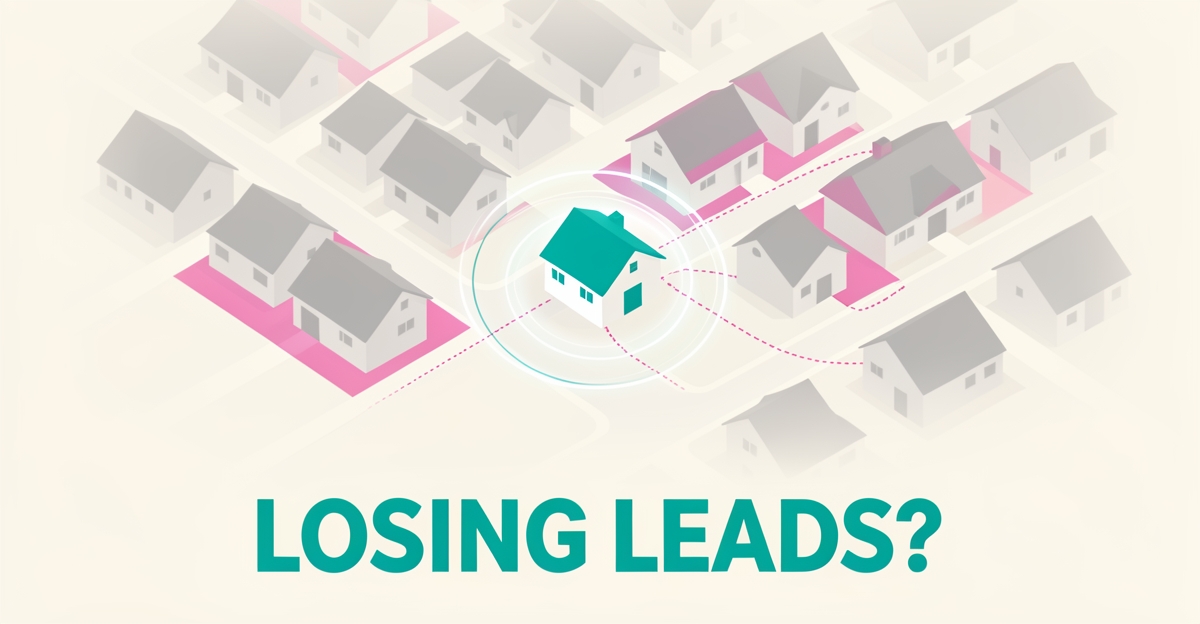
Your phone rings. A homeowner in a neighboring town has mice in their attic. They found your competitor first — not because they're closer, but because their website made it instantly clear they serve that neighborhood. Yours didn't.
Service area visibility is the silent lead killer most rodent control businesses never notice. You're not losing bids on price or quality. You're losing them because potential customers simply can't tell if you cover their address. Research shows 84% of consumers search online for local businesses daily, and 45% default to Google for location-specific searches. If your service area isn't spelled out on every relevant page, you're invisible to nearly half your market.
Service-area businesses face a unique disadvantage: no storefront to anchor local relevance. Tailored Local SEO strategies become the only way to signal coverage across multiple towns, zip codes, and neighborhoods. Without them, directories and aggregators — not you — own the top spots for "rodent control near me" searches.
The warning signs are subtle but costly:
- A single "Service Areas" page listing towns in plain text with no maps or localized content
- Google Business Profile showing only your physical address, not your actual service radius
- No unique landing pages for high-value neighborhoods you actually serve
- Competitors outranking you in towns where you've done jobs for years
- Leads asking "Do you service [my town]?" before they'll even request a quote
Service area pages can earn organic rankings without a physical storefront, acting as always-on customer service content. But generic, duplicate pages across locations do more harm than good — search engines treat cookie-cutter content as stale. Each page needs localized proof: neighborhood-specific pest pressures, recent jobs, and hyperlocal trust signals.
AI Business Sites builds custom websites that solve this automatically. Our platform generates and maintains unique, optimized location pages for every service area you cover — complete with dynamic maps, localized content, and internal linking that builds topical authority. The result: your actual service footprint becomes visible, searchable, and competitive across every town you serve.
Key Concepts
Many rodent control businesses struggle to attract local leads because their service areas aren’t clearly defined online. When potential customers can’t quickly confirm whether you serve their neighborhood, they move on to competitors who make it obvious. This gap in visibility often stems from generic websites that lack location-specific content or dynamic service area maps, leaving your business invisible in critical local searches.
According to industry research, 84% of consumers search online for local businesses daily, and 45% default to Google for location-specific queries. Without clear service area communication, your website misses these high-intent searches entirely. Additionally, local SEO experts note that Google Business Profiles influence 33% of local pack ranking considerations — meaning inconsistent or missing location data directly reduces your chances of appearing in map results and local packs where ready-to-hire customers look.
Effective service area visibility requires more than just listing cities on a contact page. Leading rodent control businesses use optimized Service Area Pages (SAPs) with unique, localized content tailored to each neighborhood they serve, avoiding duplicate or generic text that search engines penalize. As highlighted by local SEO authorities, strong SAPs can outrank directories and capture direct leads by signaling relevance to both users and algorithms. AI-driven platforms like those offered by AI Business Sites can automate the creation and updating of these pages, ensuring your service area messaging stays accurate, comprehensive, and optimized for local search without manual effort. This approach transforms your website from a static brochure into an active lead-generating tool that adapts as your service area grows.
Best Practices
Best Practices for Enhancing Service Area Visibility and Preventing Lead Loss
In the competitive landscape of rodent control services, a clear online presence is crucial for attracting and retaining leads. Failing to communicate your service areas effectively can drive potential customers to competitors. Here are actionable recommendations, grounded in research, to enhance your service area visibility and minimize lead loss.
1. Implement AI-Driven Service Area Mapping for Dynamic Visibility Utilize tools like Atlist’s Service Area Map to dynamically highlight your operational zones, enhancing online discoverability. This approach simplifies the process of showcasing your service areas, making it easier for potential clients to find you. 84% of consumers search online for local businesses daily, making clear service area mapping indispensable. source
2. Optimize Service Area Pages (SAPs) for Unique, Localized Content Avoid the "cookie-cutter" approach by crafting unique content for each service area, focusing on local keywords and community engagement. Strong SAPs can outrank directories, capturing direct leads. Ensure each page acts as "always-on customer service content" as suggested by Miriam Ellis of Search Engine Land. source
3. Leverage Google Business Profiles (GBP) for Enhanced Credibility Maintain consistent NAP (Name, Address, Phone Number) across platforms and proactively manage reviews, as 89% of consumers expect business owners to respond to reviews. GBP influences 33% of local pack ranking considerations, underlining its importance. source
Key Action Items for Immediate Implementation:
- Adopt AI Tools for automated, dynamic service area mapping and content generation to stay ahead of competitors.
- Customize SAPs to reflect the unique needs and keywords of each service area for better organic rankings.
- Activate GBP Fully by responding to all reviews and ensuring NAP consistency for improved local search visibility.
By integrating these strategies, rodent control services can significantly enhance their service area visibility, reduce lead loss to competitors, and capitalize on the 76% of people who visit a physical location within 24 hours of a local search. source AI-driven solutions, like those offered by AI Business Sites, can further streamline this process, ensuring your website not only attracts leads but also manages them efficiently through automated follow-ups and personalized responses.
Local business: doing this the old way?
One system replaces the whole pile.
All of it — the website, the follow-up, the content, the leads — built and run for you for $1,497 + $497/mo. Month-to-month, and you own everything.
See what your build includesImplementation
Rodent control businesses often lose leads not because of poor service quality, but because their online presence fails to clearly communicate where they operate. When service areas are vague or inconsistently presented, potential customers turn to competitors with stronger local visibility—especially those who make it easy to confirm service eligibility at a glance. Fixing this gap starts with auditing how your service areas are displayed across your website and local profiles.
Begin by ensuring your service area is explicitly stated on every key page, including your homepage, service pages, and contact section. Use plain language like “Serving Halifax, Dartmouth, and Bedford” rather than relying solely on a map image that search engines can’t read. According to research, 84% of consumers search online for local businesses daily, and 45% default to Google for location-specific searches—meaning unclear service area messaging directly impacts your chances of appearing in those critical moments. Pair this with a dedicated Service Area Page (SAP) for each major suburb or neighborhood you serve, featuring unique, localized content that highlights common rodent issues in that area, seasonal risks, and tailored solutions.
Next, strengthen your Google Business Profile (GBP) by verifying your service area settings and maintaining consistent Name, Address, and Phone (NAP) information across all platforms. Google Business Profiles influence 33% of local pack ranking considerations, and 76% of people who conduct a local search on their phone visit a physical place within 24 hours—even for service-area businesses, this proximity signal builds trust and improves visibility. Regularly update your GBP with posts about seasonal rodent activity in specific neighborhoods and encourage reviews that mention the towns or cities served, reinforcing your geographic relevance.
Finally, leverage AI-driven tools to automate and enhance service area visibility. AI Business Sites’ platform generates and updates location-based service maps and content automatically, ensuring your website reflects real-time service expansions or adjustments without manual edits. This includes creating unique, SEO-optimized Service Area Pages that avoid duplicate content—a practice BrightLocal warns is “stale and frowned upon”—while internally linking them to service and blog pages to boost topical authority. By combining clear messaging, profile optimization, and smart automation, rodent control businesses can reclaim lost leads and dominate local search results in their true service areas.
Conclusion
The warning signs of poor service area visibility don’t have to mean lost opportunities. By recognizing these gaps early, rodent control businesses can take targeted steps to reclaim their local search presence and outperform competitors who rely on vague or outdated online information.
Start by auditing your current website for clear, location-specific messaging. Ensure your service areas are prominently displayed on key pages and backed by unique, locally relevant content — not generic templates copied across multiple cities. As research shows, 84% of consumers search online for local businesses daily, and 45% default to Google for location-specific queries, making precision in your online footprint essential for capturing intent-driven traffic.
Next, strengthen your Google Business Profile with consistent NAP details and active review management. Given that GBP influences 33% of local pack ranking factors and 76% of mobile local searchers visit a physical location within 24 hours, maintaining an optimized profile directly impacts both visibility and conversion. Finally, consider leveraging AI-driven tools that automatically generate and update service area maps and location pages based on your actual service zones. This approach eliminates manual upkeep while ensuring your site reflects real-time coverage — a critical advantage for businesses without physical storefronts competing in crowded local markets.
AI Business Sites builds websites that do more than sit idle — they actively work to attract, engage, and convert local customers by handling the technical details of local SEO behind the scenes. With automated content generation, dynamic service area mapping, and integrated lead response systems, your site stays current, competitive, and focused on what matters: growing your business. Take the first step today by reviewing your online presence through the lens of these seven signs — and turn visibility gaps into growth opportunities.
Frequently Asked Questions
Why am I losing rodent control leads to competitors who aren't even closer to my customers?
Is a simple 'Service Areas' page listing towns enough to show up in local searches?
Does my Google Business Profile need to show my service radius if I don't have a storefront?
Why do potential customers keep asking 'Do you service my town?' before requesting a quote?
Can I really rank in towns where I don't have a physical office?
How can I keep service area pages updated without constantly rewriting content for every town?
Your Service Area Is Your Storefront — Make It Visible
Your website isn't just a brochure — it's the only storefront most customers will ever see. When 84% of consumers search online for local businesses daily and 45% default to Google for location-specific queries, unclear service area messaging doesn't just hurt rankings; it hands ready-to-hire leads to competitors who made their coverage obvious. The fix isn't more content — it's the right content in the right places: unique, localized service area pages, a fully optimized Google Business Profile, and dynamic mapping that reflects where you actually work. AI Business Sites builds websites that handle this automatically, generating and maintaining location-specific pages, maps, and internal linking so your real service footprint becomes searchable and competitive across every town you serve. You don't need to become an SEO expert. You need a website that does the work for you. Start by auditing your current site through the lens of the seven signs — then let your website start earning its keep.
FOR local businesss — BUILT AND RUN BY US
Your website. Your content. Your leads. Your data.
$500 starts your build. Seven days later it's live — chat, booking, follow-up, and your Google presence all set up. Then we run it, every month. You do the work you actually get paid for.