
Key facts
- 96% of equestrian industry respondents believe AI-generated images damage brand credibility according to industry research
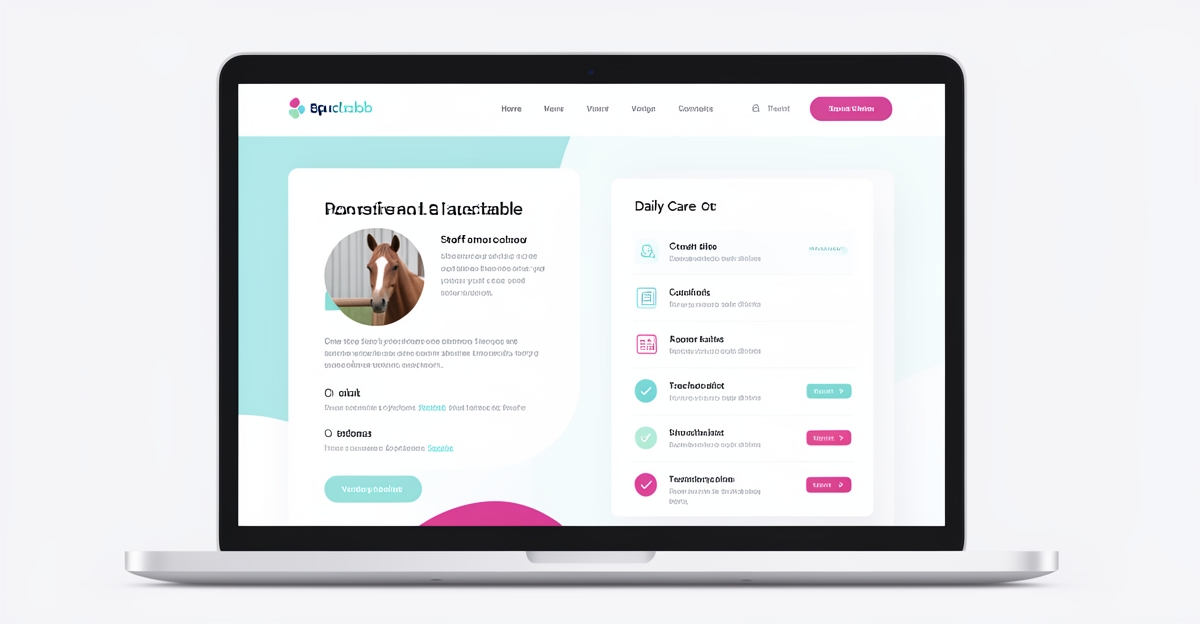
- Publishing daily routines and care checklists demonstrates operational openness and builds rider trust as emphasized by dressage instructor Amelia Newcomb
- Real staff photos with credentials and tenure are trust signals that AI imagery actively undermines per industry research
- Verified testimonials linked to actual riders and horses provide social proof that generic copy cannot achieve per publisher Lauren Pigford Abbott's analysis
- Structured training programs with measurable milestones demonstrate expertise and build confidence in stable operations per Amelia Newcomb's training principles
- Licensed, real photos of staff, horses, and facilities enhance authenticity and counteract credibility damage from AI visuals per industry research
- Transparency in content, such as clear labeling of sponsored material, is foundational for trust in the equestrian space per publisher Lauren Pigford Abbott
WANT RESULTS LIKE THIS?
Imagine a system doing all of this for your local business — every day, without you.
We build local businesses a custom website with a team of AI behind it: every lead captured and followed up, new content published monthly,customers finding you on Google — live in 7 days.
- 85+ pages at launch
- Every lead followed up, automatically
- Your whole business on one screen
The Credibility Crisis: Why Equine Stables Lose Riders Online
Most stable owners don't realize their website is silently turning away riders before they ever pick up the phone. In an industry where trust is built on daily consistency and visible care, a generic online presence raises more questions than it answers. Riders aren't looking for polished marketing copy — they're looking for proof that your operation runs the way you say it does.
The credibility gap is wider than most realize. Research from the American Horse Publications newsgroup found that 96% of respondents believe AI-generated images damage brand credibility in the equestrian space. When a prospective boarder sees stock-perfect horses in sterile arenas, they don't see aspiration — they see avoidance. Authenticity isn't a branding preference here; it's a baseline expectation.
Transparency fills that gap. Dressage instructor Amelia Newcomb emphasizes that groundwork exercises build trust through consistency and openness — principles that apply directly to your digital presence. Riders want to see the actual morning feed schedule, the turnout rotation, the farrier calendar. They want staff bios with real photos, not placeholder silhouettes. Publisher Lauren Pigford Abbott notes that transparency in content is foundational for trust, and that extends to every page of your site.
- Daily care routines published openly, not hidden behind a login
- Real staff photos with credentials and tenure
- Structured training program outlines with measurable milestones
- Verified testimonials linked to actual riders and horses
These signals aren't optional — they're the digital equivalent of a clean barn aisle and a well-fitted saddle. AI Business Sites helps stables surface this transparency automatically, using AI content tools that understand local equine culture and rider expectations to generate the daily routines, care checklists, and staff profiles that build deeper trust online. The website becomes a living record of your operation, not a static brochure.
Trust Signals for Equine Stables: Research-Backed Solutions
Trust isn't built on promises — it's built on proof. When riders evaluate a stable, they're looking for evidence that daily operations match the marketing, and research confirms that transparency beats polish every time.
The data is striking: 96% of equestrian industry respondents believe AI-generated images damage brand credibility, according to industry research. That single statistic should reshape every visual decision on your website. Licensed, real photos of your actual staff, horses, and facilities aren't just nicer — they're trust signals that AI imagery actively undermines.
Transparency operates the same way. Dressage instructor Amelia Newcomb emphasizes that consistent groundwork builds trust with horses — and the same principle applies to riders evaluating your stable. Publishing daily routines and care checklists demonstrates operational openness that generic "we care about your horse" copy never achieves.
- Post actual daily schedules — turnout times, feeding routines, stall cleaning protocols
- Share care checklists used for every horse, every day
- Document structured training programs with measurable progression milestones
- Feature staff bios with certifications, specialties, and years of experience
- Collect and display rider testimonials tied to specific outcomes
Expertise signals compound when they're specific. A publisher's analysis of equestrian media ethics found that undisclosed sponsored content erodes trust — meaning every claim on your site needs to be verifiable. Staff credentials, training methodologies, and rider success stories should be traceable, not aspirational.
AI Business Sites helps stables implement these signals systematically — the content engine researches local rider expectations and generates pages grounded in your actual operations, not generic templates. When your website publishes real care protocols alongside authentic photography, backed by staff expertise and rider testimonials, you're not marketing trust — you're demonstrating it.
Local business: doing this the old way?
One system replaces the whole pile.
All of it — the website, the follow-up, the content, the leads — built and run for you for $1,497 + $497/mo. Month-to-month, and you own everything.
See what your build includesImplementing Trust: Practical Steps for Equine Stable Websites
Implementing Trust: Practical Steps for Equine Stable Websites
In today's digital age, building trust with potential and existing riders is crucial for the success of equine stables. A well-designed website with clear trust signals can make all the difference. Here’s how to implement trust-enhancing elements, leveraging AI for automation where possible:
1. Publish Daily Routines and Care Checklists Transparency is key to trust. By publishing daily routines and care checklists on your website, you demonstrate operational openness. As emphasized by Amelia Newcomb, groundwork exercises (though primarily for horse training) imply the need for transparent operational practices (source). AI can automate the scheduling of these updates, ensuring consistency.
2. Use Licensed, Real Photos 96% of respondents believe AI-generated images damage brand credibility (industry research). Replace AI-generated content with licensed, real photos of your staff, horses, and facilities to enhance authenticity.
3. Highlight Expertise and Success Stories
- Staff Bios: Showcase qualifications and experience.
- Structured Training Programs: Detail your approach to horse care and training.
- Testimonials: Include rider testimonials to build social proof.
Practical Steps with AI Automation:
- Schedule Transparency: Use AI to automatically post daily updates on horse care and riding schedules, ensuring consistency without manual effort.
- Content Authenticity Check: Implement AI tools to scan and suggest replacements for any AI-generated media found on your site, ensuring all content is authentic.
- Expertise Showcase: AI can help generate structured formats for staff bios and training programs, making it easier to highlight your stable’s expertise online.
Embedding Trust Signals Naturally
AI Business Sites, with its custom website solutions, can integrate these trust signals seamlessly. For example, its AI content engine can assist in crafting authentic, SEO-optimized bios and program descriptions, while the website’s design ensures easy accessibility to transparency documents like care checklists.
By focusing on transparency, authenticity, and expertise, equine stables can significantly enhance their online trust signals, attracting and retaining more riders in the process. Remember, trust is built brick by brick, and in the digital world, these bricks are the content and transparency you offer to your audience.
Frequently Asked Questions
Why do AI-generated horse images hurt trust on equine stable websites?
What specific trust signals should my stable website include to attract serious riders?
How can I prove my stable’s expertise online without sounding boastful?
Is it really necessary to post daily schedules like feeding and turnout times on my website?
What’s the risk of using undisclosed sponsored content or paid promotions on my stable’s site?
Can AI tools help my stable maintain authentic, trustworthy website content?
Transform Your Stable’s Website from a Brochure into a Trust-Builder
Your website shouldn’t just look good—it should *feel* trustworthy. As we’ve explored, riders in the equestrian industry don’t just want polished marketing copy; they crave proof of your stable’s daily consistency, transparency, and genuine care. From replacing AI-generated imagery with real photos of your horses and staff to publishing verifiable care routines and measurable training milestones, every element on your site should serve as a trust signal. The research is clear: 96% of riders view AI-generated images as damage to credibility—a stark reminder that authenticity isn’t optional, it’s expected. By showcasing staff bios with real credentials, structured programs with clear outcomes, and testimonials tied to real riders and horses, your website becomes more than a digital brochure; it becomes a living record of your operation’s integrity. For stables ready to turn visitors into lifelong riders, the next step is simple: audit your site with these trust signals in mind, and let the right technology do the heavy lifting. After all, a website that runs itself means more time for what truly matters—your horses and your riders.
FOR local businesss — BUILT AND RUN BY US
Your website. Your content. Your leads. Your data.
$500 starts your build. Seven days later it's live — chat, booking, follow-up, and your Google presence all set up. Then we run it, every month. You do the work you actually get paid for.